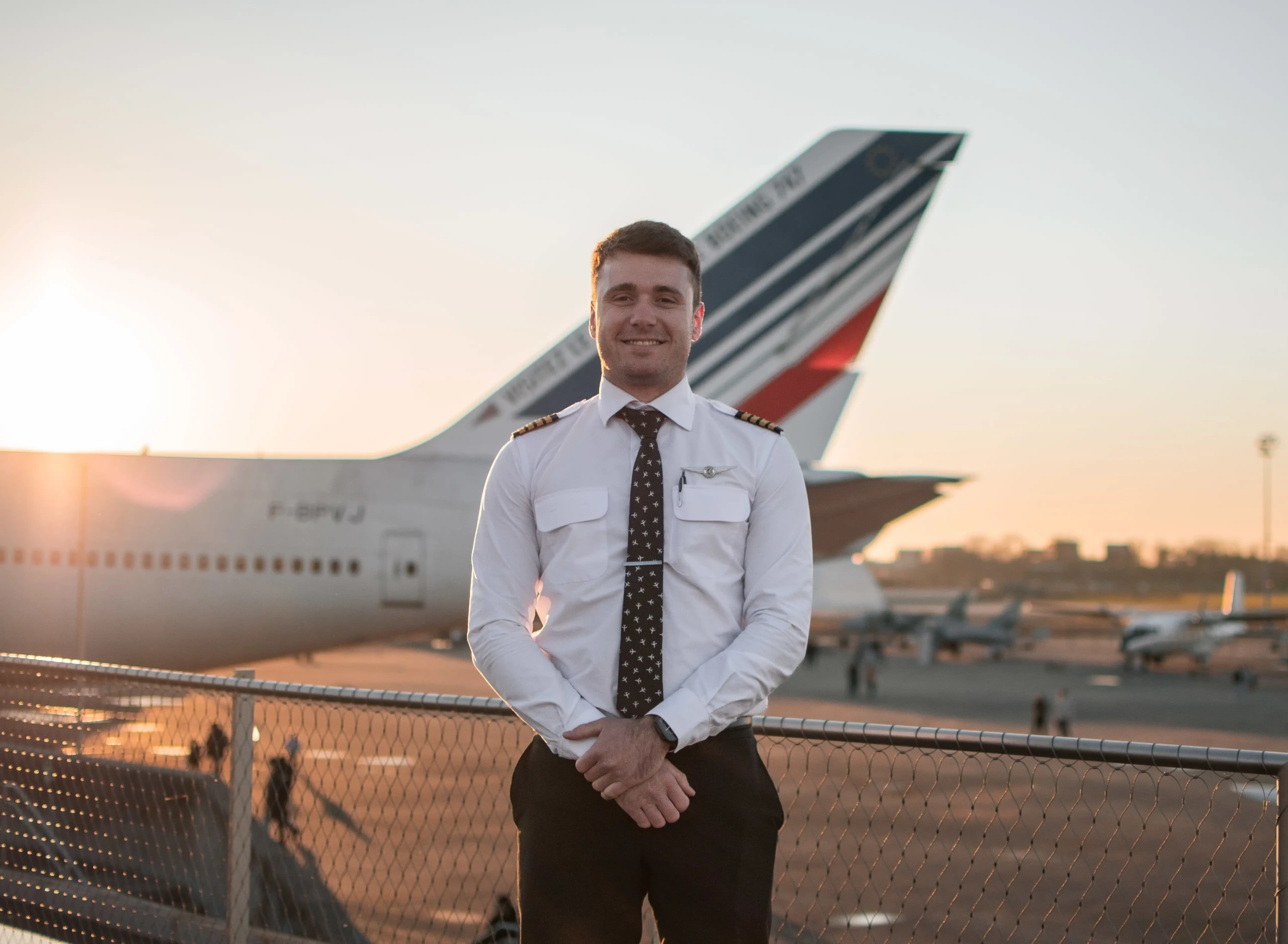
Professional Career Pilot Program in Sarasota
Launch your professional career with our career pilot training in Sarasota. Comprehensive programs designed for aspiring airline pilots in Florida.
Your Path to the Airlines
Zero to Hero Training
The Career Pilot Program at Cirrus Aviation is designed for individuals who want to pursue aviation as a profession and are prepared to commit to a demanding, structured training environment. Demand for professional pilots continues to grow, with an expectation of over 600,000 new pilots needed in the next 20 years, creating strong opportunities for those with the right preparation, and with this course you can prepare yourself to become one of them.
Cirrus Aviation offers both degree and non-degree career pathways, supporting high school graduates, international students, military veterans, and individuals seeking a career change. Our program combines FAA-approved Part 141 training with decades of instructional experience and industry relationships.
Students are expected to approach training as both a full-time job and a professional evaluation. Accelerated students train full-time, while part-time options are available for those balancing other commitments.
- Training Type FAA Part 141, accelerated or part-time
- Duration ¹ From 5 to 18 months
- Program Cost Contact us for program pricing
¹ Individual performance may vary based on personal diligence, flying full-time or part-time, aptitude, and weather.
Program Benefits
- From novice to Certified Flight Instructor
- A structured, FAA-approved, and well tested course to head start your aviation career
- A diverse portfolio of pilot licenses, including Private Pilot License (PPL), Instrument Rating (IFR), Commercial Pilot License (CPL), Multi-Engine Rating (MEL), and Certified Flight Instructor (CFI)
Requirements
- Ability to speak, read, write, and understand English
- Meet age requirements for each rating
- Proof of U.S. citizenship or completed TSA approval
- Hold a FAA First Class Medical Certificate before you can fly solo
- Meet all FAA requirements for each certificate and rating
Two Routes, One Destination
Career comparison
Non-Degree
Seeking
Flying Solo
Completion expected in 10 months. Eligible for hire by most aviation companies at 1,500 hours
Learn MorePrivate Pilot License
Instrument Rating
Commercial License
Multi-Engine Rating
Certified Flight Instructor (CFI)
Certified Flight Instructor (CFI)
Multi-Engine Instructor (MEI)
Degree
Seeking
Liberty University
Completion expected in 36 months. Eligible for hire by most aviation companies at 1,000 hours
Learn MoreFully Licensed Pilot
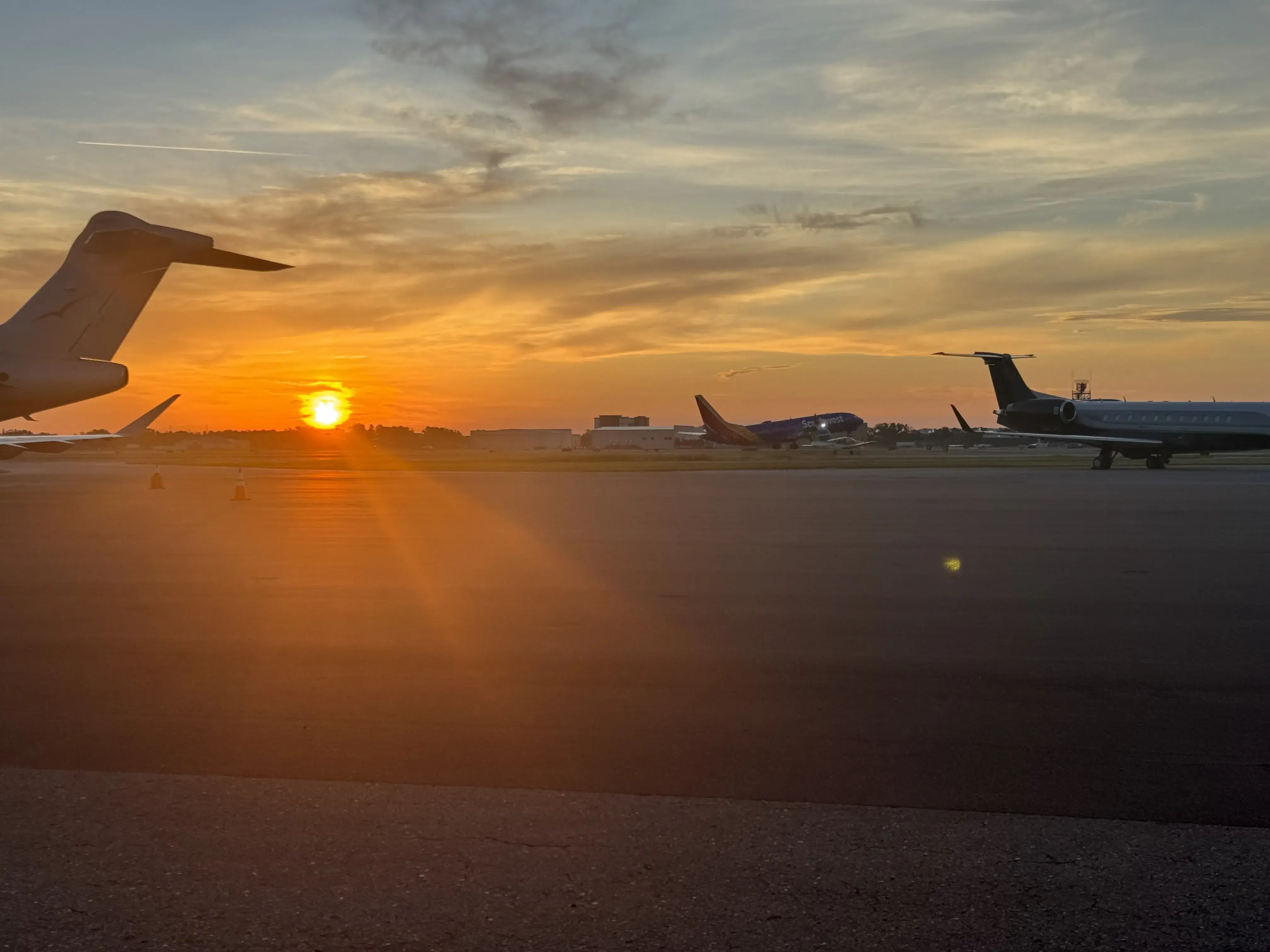
Comprehensive Commercial Pilot Course in Florida
This is a rigorous training environment designed to prepare students for professional aviation standards. Progression is performance-based, not automatic.
Students are expected to integrate academics, aircraft control, navigation, and decision-making simultaneously, mirroring real-world commercial operations.
- Standardized syllabus flights under FAA Part 141
- Consistent emergency procedure training
- Performance, preparation, and professionalism driven progression
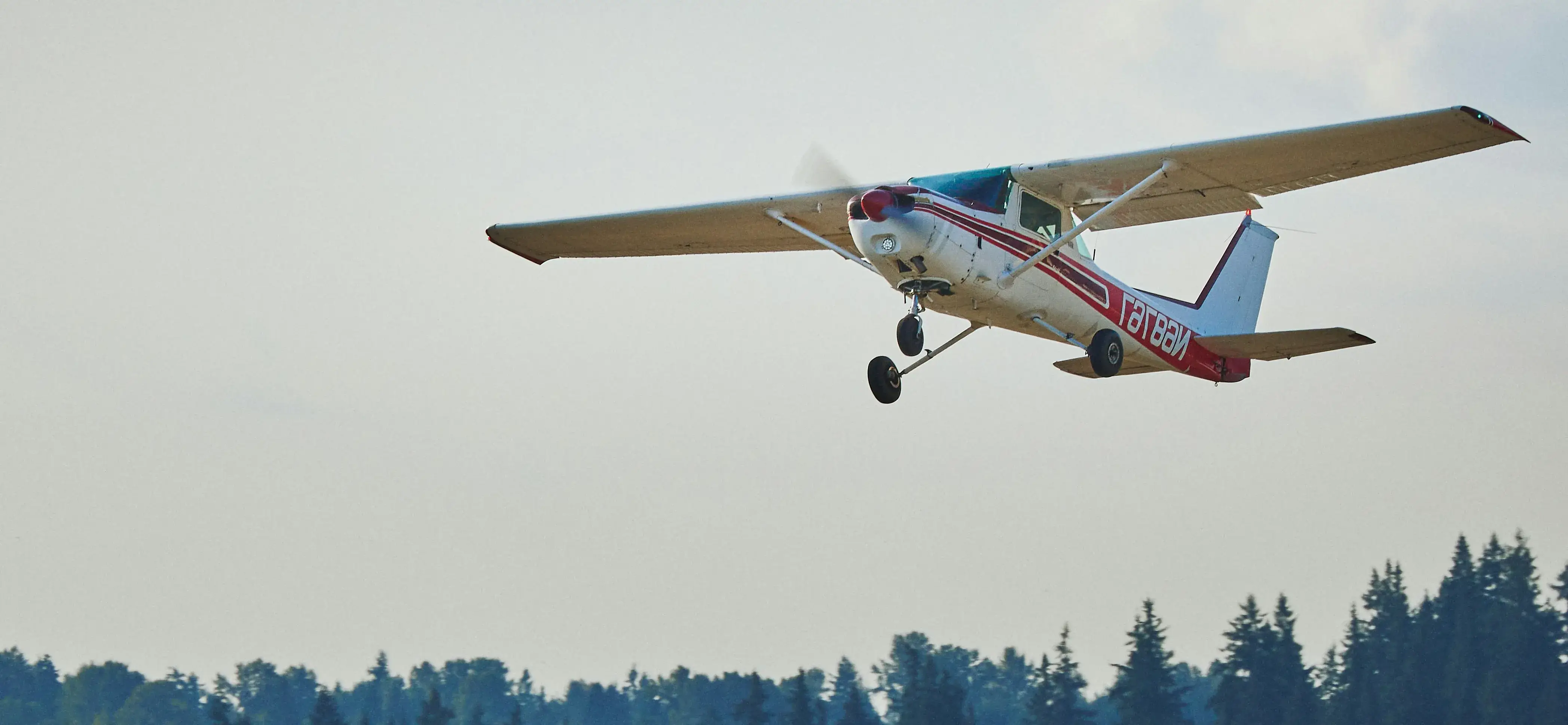
Launch Your Aviation Career
Ready to Take the Next Step?
Turn your passion for flying into a profession.
Our Career Pilot Program provides a structured, accelerated path from first flight to professional certification.
Train with experienced instructors, modern aircraft, and a clear roadmap designed to prepare you for a career in aviation.
Your future in the cockpit starts here.
What the Program Includes
Comprehensive Package
The Career Pilot Program provides a structured pathway through multiple certificates and ratings under Cirrus Aviation’s FAA Part 141 approval.
Ground & Flight Training
- Structured Ground School instruction
- Around 210 to 240 hours of flight time
- Multi-engine and single-engine flight time
- 50+ hours of cross-country flight time
FAA Certifications
- Private Pilot (PPL)
- Instrument Rating (IFR)
- Commercial Pilot (CPL)
- Multi-Engine Rating (MEL)
- Certified Flight Instructor (CFI)
Resources
- Degree and non-degree curriculums
- Adjustments to fit the needs of high school, international students, and post high school people
- Adjustments to fit the needs of the military veterans
Why Choose Cirrus Aviation for Your Pilot Career?
Our Philosophy
Mindset Over Paycheck
At Cirrus Aviation, a professional pilot is defined by discipline, preparation, and consistency. Professionalism means never accepting "good enough" and approaching every flight with intention and accountability.
This mindset is expected from the first day of training and reinforced throughout every phase of the program.
Instructor Experience
Cirrus Aviation’s instructors bring extensive experience from years of studying, training, and teaching to fly. Their role extends beyond teaching maneuvers to shaping judgment, habits, and decision-making.
- Our curriculum follows proven, standardized training methods aligned with FAA requirements.
- Our Certified Flight Instructors are trained to work with first-time students, providing clear instruction, consistent guidance and expertise from years of experience.
- We focus on safety, confidence, and steady progress, not pressure or shortcuts.
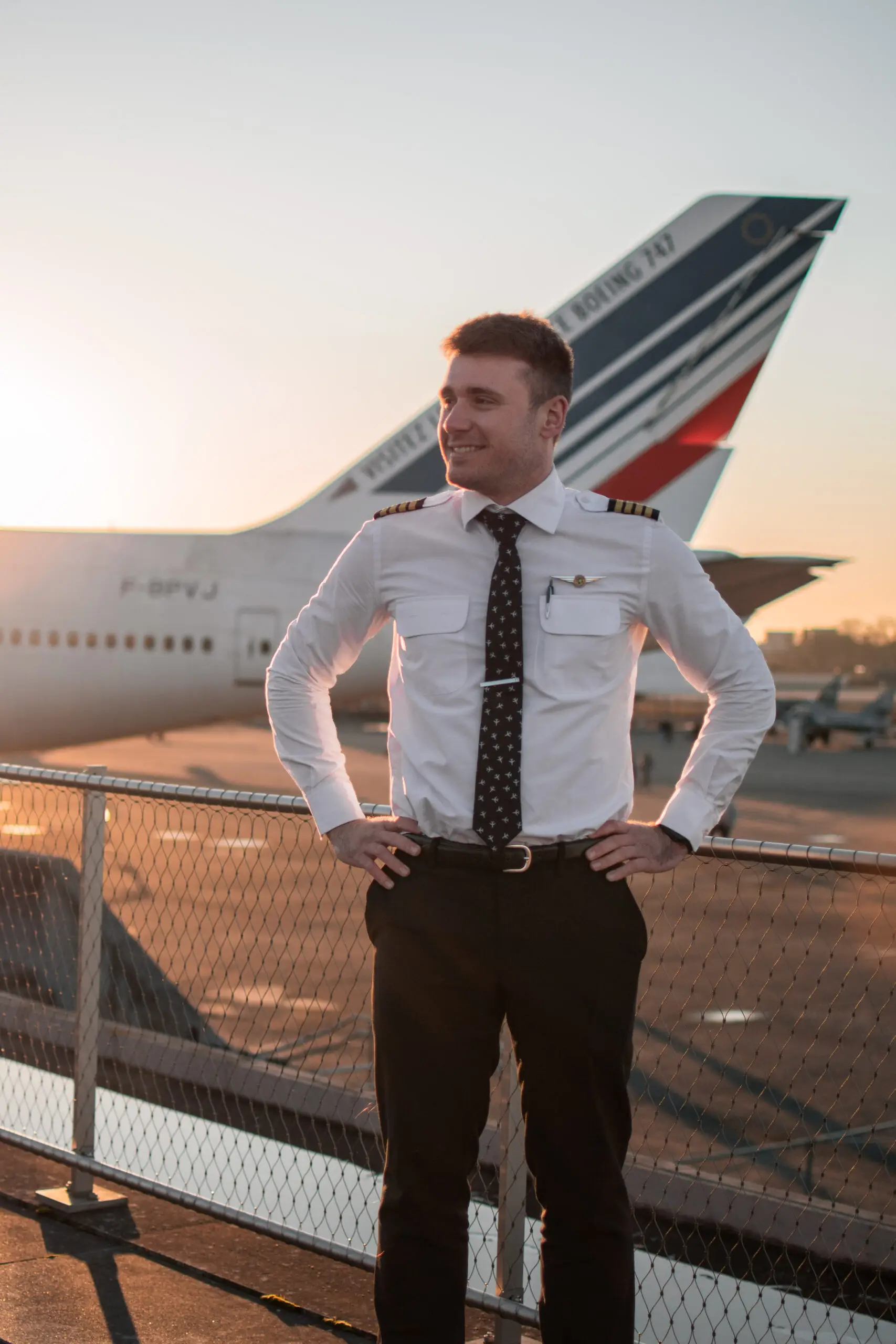
30+ Years of Excellence
Who This Program Is For
- Individuals pursuing aviation as a long-term profession
- Students seeking structured, professional training
- Those motivated to meet airline and commercial standards
Note
This program is not intended for hobbyists or those seeking only a Private Pilot certificate.
Career Outcomes After Training
Future Opportunities
Upon completion, graduates hold a Commercial Pilot License with multi-engine and instrument ratings, allowing them to be paid to fly aircraft they are qualified in.
Many graduates build experience as flight instructors, while others pursue opportunities in corporate aviation, charter operations, cargo flying, and international markets. The U.S. airlines have very high requirements for flight experience, usually around 1,200 hours, and you will normally have accumulated about 210 to 240 flight hours at the completion of your training.
- Flight Instructor (CFI, CFII, MEI)
- Corporate and charter pilot roles
- International airline and cargo opportunities
- Progression toward U.S. airline minimums through hour building
* Career outcomes vary based on individual performance, market conditions, and regulatory requirements.
Structured Progression Through Ratings
Program Flow
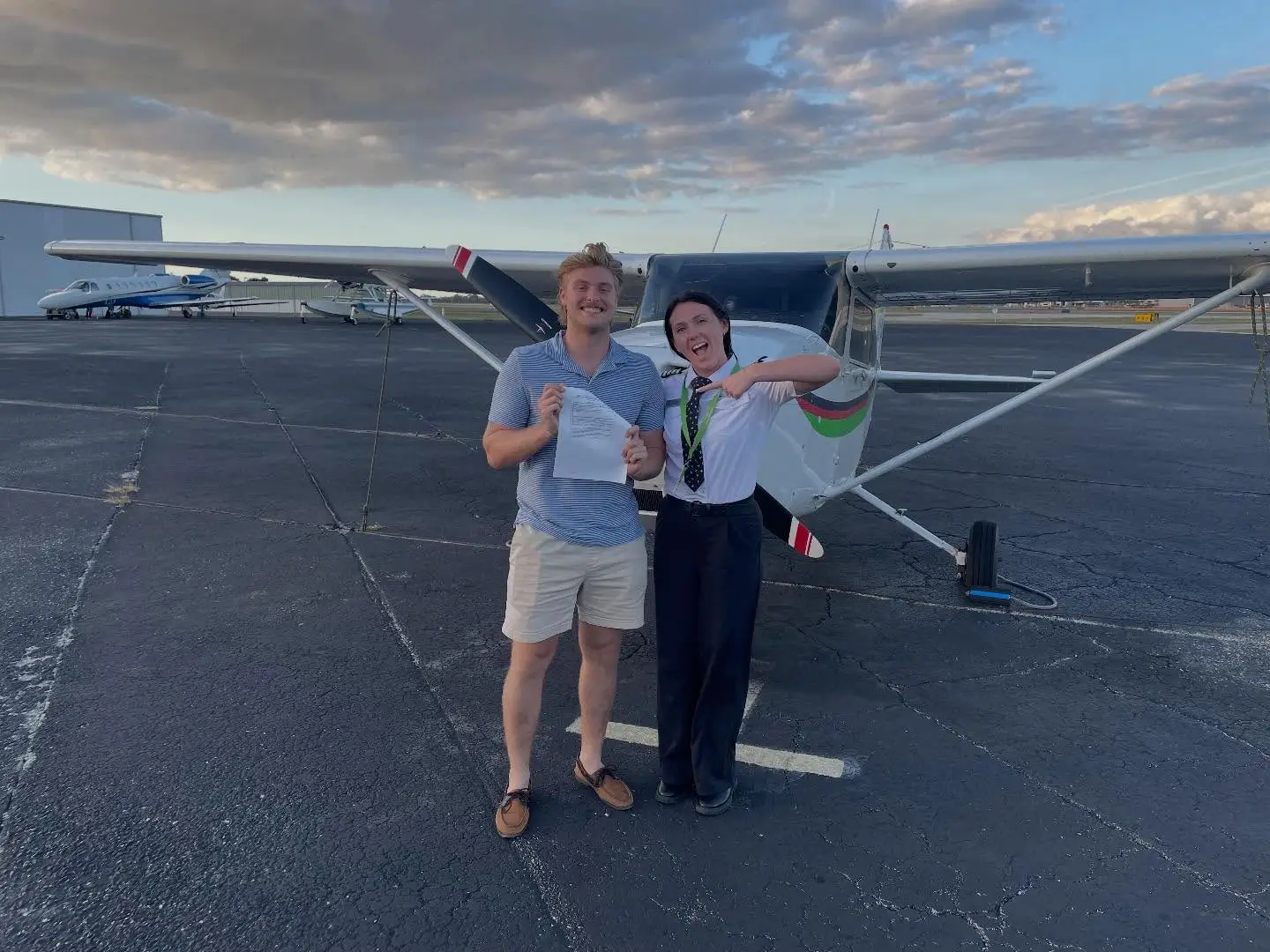
Private Pilot License
The base certification
The Private Pilot License is the foundation of all professional flight training and the entry point into a pilot’s aviation career, it is where you develop the skills and knowledge needed to fly an aircraft safely and confidently on your own. Training is conducted one-on-one with a Certified Flight Instructor and combines flight lessons with structured ground instruction to build a strong foundation.
Completion of the Private Pilot License establishes the core skills, discipline, and decision-making standards required for success in advanced ratings and professional pilot training.
- Aerodynamics, aircraft systems, and flight fundamentals
- Takeoffs, landings, and airwork maneuvers
- Solo flight milestones and cross-country navigation
Instrument Rating
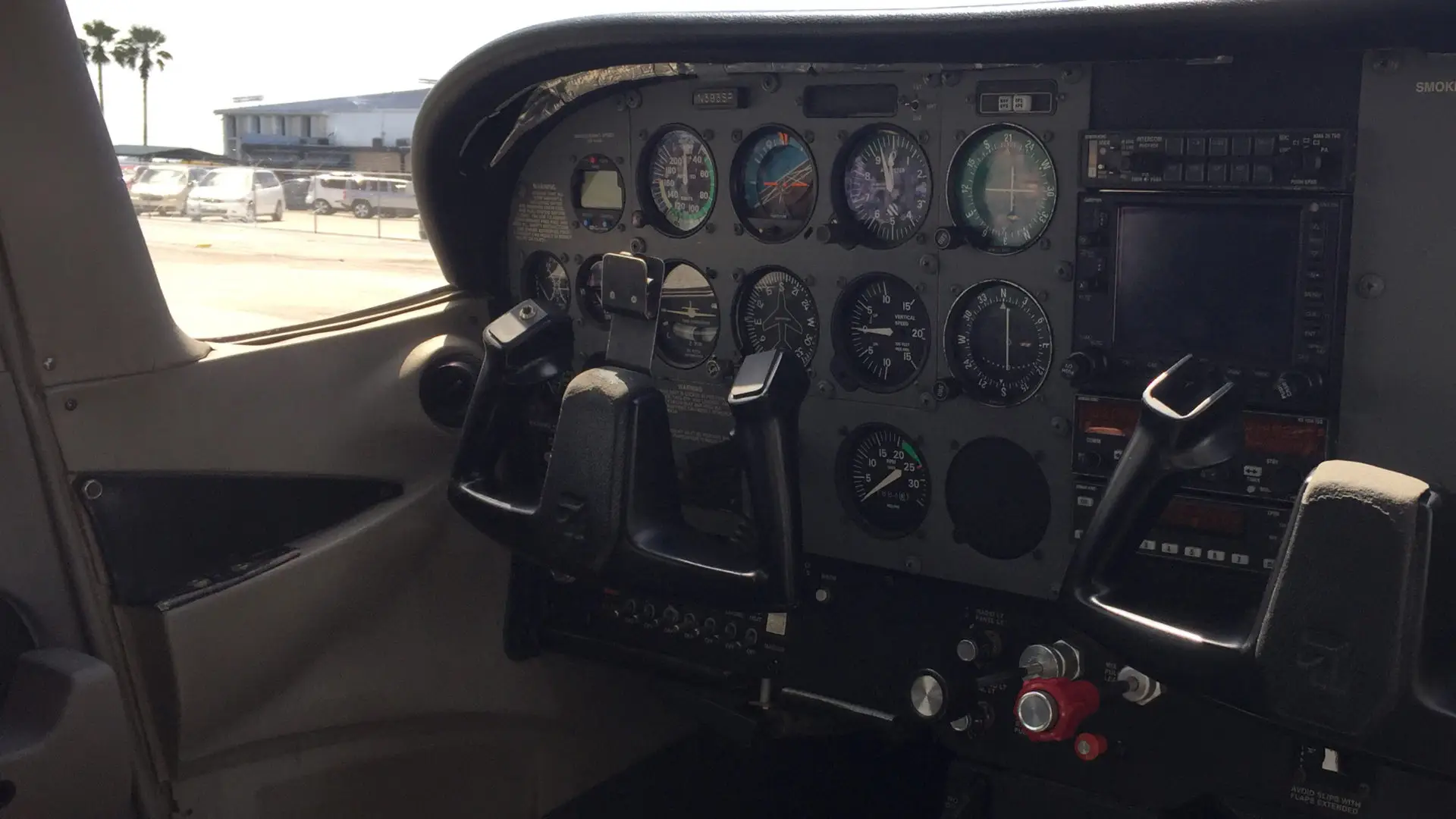
Learning about avionics
The Instrument Rating is a critical step in professional flight training, teaching pilots to operate safely and precisely without outside visual references. Students learn to fly solely by reference to instruments while managing air traffic control communications, weather systems, and complex flight planning.
Training emphasizes disciplined procedures, accurate aircraft control, and sound aeronautical decision-making in the IFR environment. This rating significantly expands operational capability and is foundational for all professional flying careers.
- IFR regulations, procedures, and scan techniques
- Precision and non-precision approaches
- Instrument cross-country operations
Commercial Pilot
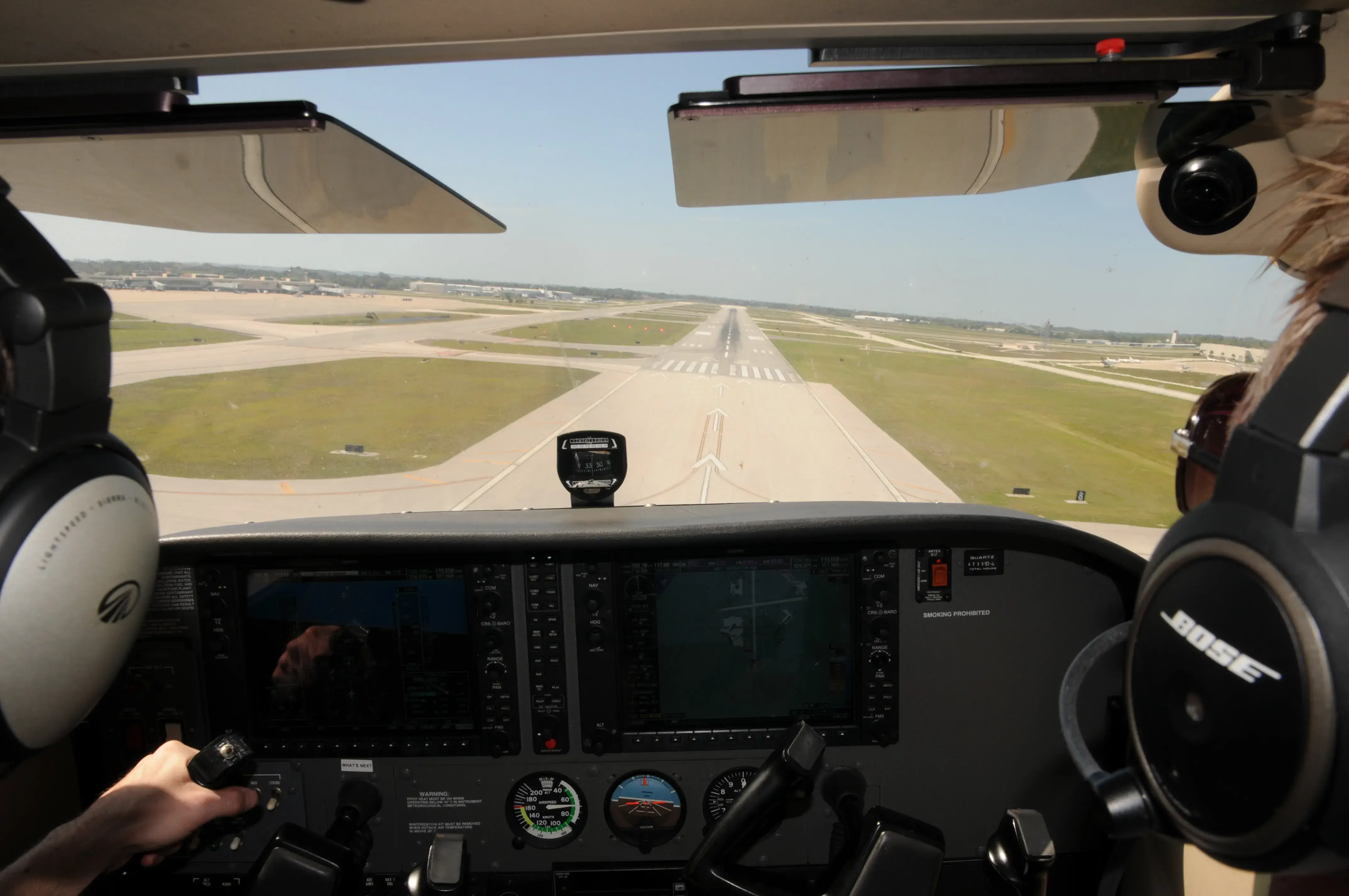
Flying for others
The Commercial Pilot certificate transitions a pilot from skill proficiency to professional-level performance. Training focuses on advanced aircraft control, precision maneuvers, performance planning, and higher standards of judgment and consistency.
At this stage, flights are evaluated against commercial tolerances, and students are expected to demonstrate confidence, accuracy, and professionalism on every sortie. Completion of this certificate allows pilots to be compensated for flying and marks a major milestone toward aviation employment.
- Advanced maneuvers and performance planning
- Commercial standards and professionalism
Multi-Engine Rating
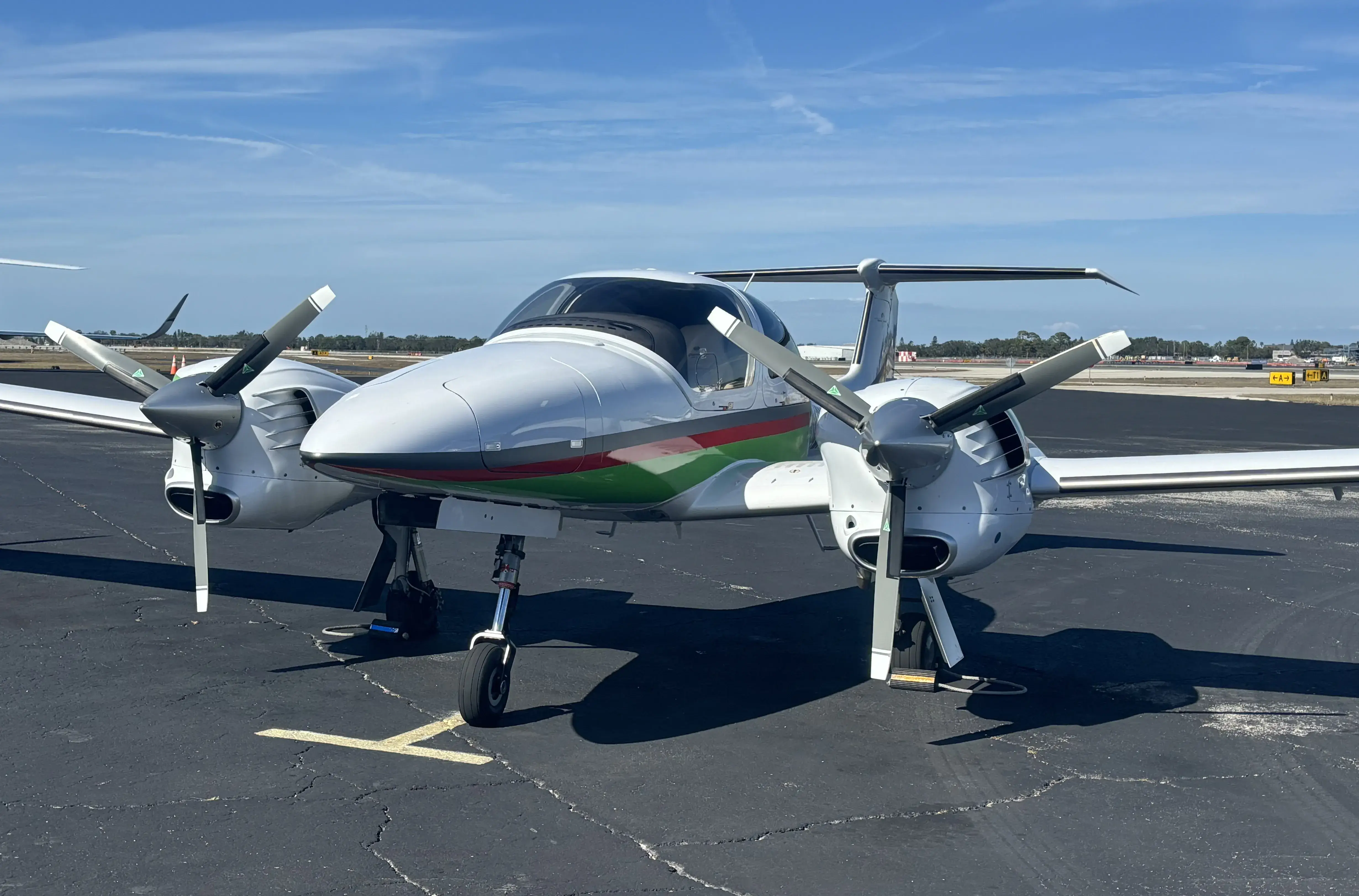
Piloting twin engine aircraft
The Multi-Engine Rating introduces pilots to aircraft with more than one engine, significantly increasing system complexity and performance demands. Students learn multi-engine aerodynamics, asymmetric thrust management, and engine-out procedures in both normal and emergency conditions.
This training sharpens risk management, checklist discipline, and situational awareness. Multi-engine proficiency is essential for airline, charter, and corporate operations and is a key requirement for most professional flying positions.
- Multi-engine aerodynamics and systems
- Engine-out and emergency procedures
Certified Flight Instructor
Teaching others
The Certified Flight Instructor (CFI) certificate marks the transition from pilot to aviation professional and mentor. Training focuses on teaching techniques, lesson planning, communication skills, and mastery of the Fundamentals of Instruction.
CFI candidates are trained to demonstrate precision flying from the right seat while effectively evaluating and correcting student performance. Becoming a flight instructor builds experience, judgment, and leadership, and is the most common pathway to reaching airline minimums and advancing a professional aviation career.
- Fundamentals of Instruction (FOI)
- Right-seat proficiency and teaching techniques
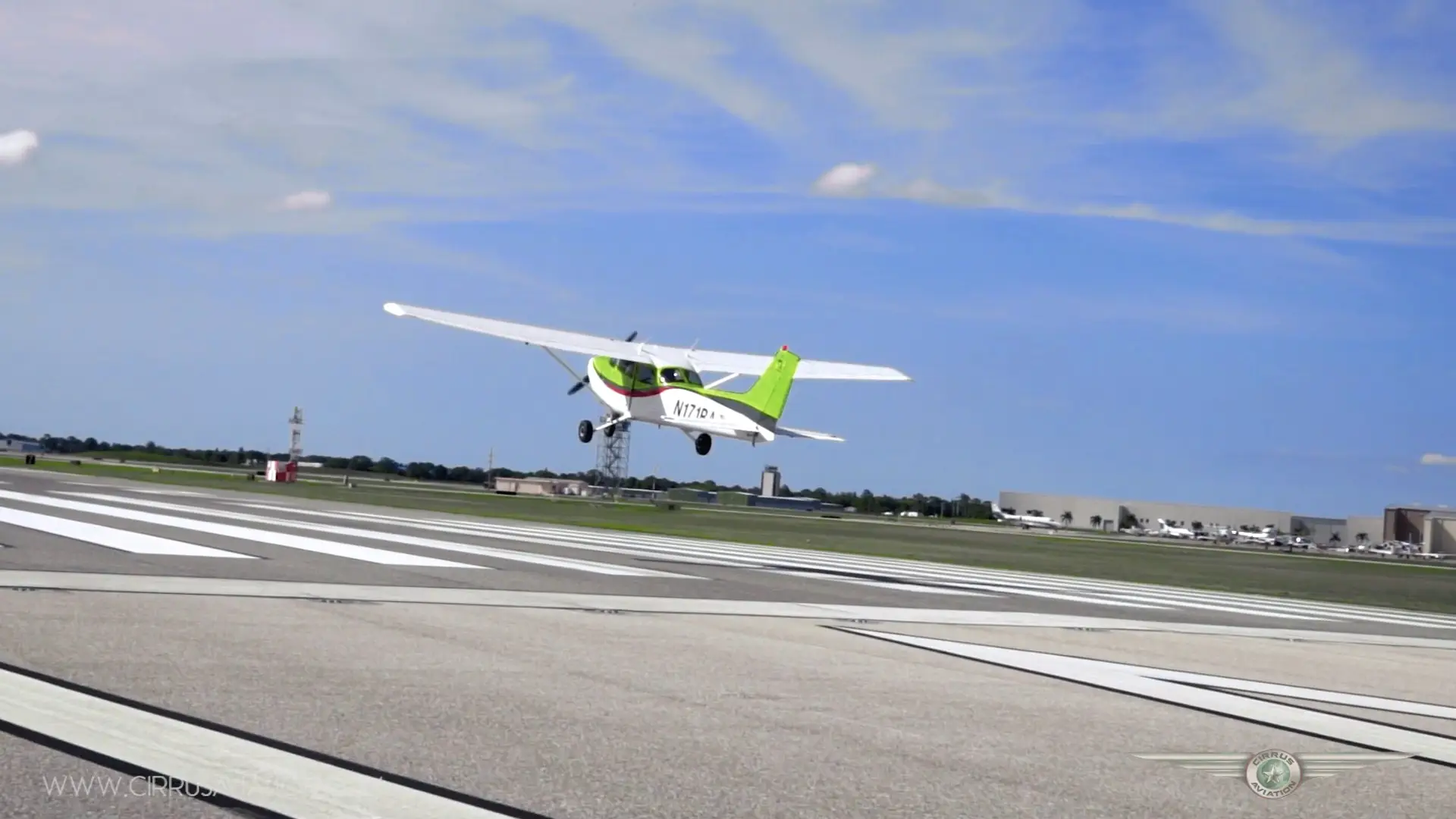
Final Outcome
Graduates earn professional pilot certifications and are positioned to pursue instructor, corporate, international, or airline career paths
Start TodayHow to Get Started
1. Schedule a Tour
Visit the Cirrus Aviation facility or call (941) 360-9074 to speak with admissions.
2. Obtain a Medical Certificate
Obtain an FAA First Class Medical Certificate through an Aviation Medical Examiner. You can start training before you obtain the Medical Certificate, however you'll need it before you can fly solo.
3. Program Interview & Scheduling
Meet with the Cirrus Aviation team to discuss goals, program pacing, and start dates.
4. Secure Financing
Discuss payment options, financing, or out-of-pocket arrangements with admissions.
Start the Conversation
The Career Pilot Program is demanding by design and intended for those committed to professional excellence.
If you are ready to pursue aviation as a career, Cirrus Aviation is ready to help you define and execute your path forward.
Frequently Asked Questions
Clear any doubts you might have
What medical certificate is required?
An FAA First Class Medical Certificate is required to fly solo.
Is this program suitable for hobbyists or part-time students?
This program is designed for career-focused pilots. While part-time pacing is available, the curriculum and expectations are professional in nature.
How long does the program take to complete?
Completion typically ranges from 5 months to 18 months.
Individual performance may vary based on personal diligence, flying full-time or part-time, aptitude, and weather.
Are airline or instructor positions guaranteed?
No. Career outcomes depend on performance, market conditions, and regulatory requirements.
Got Any More Questions?