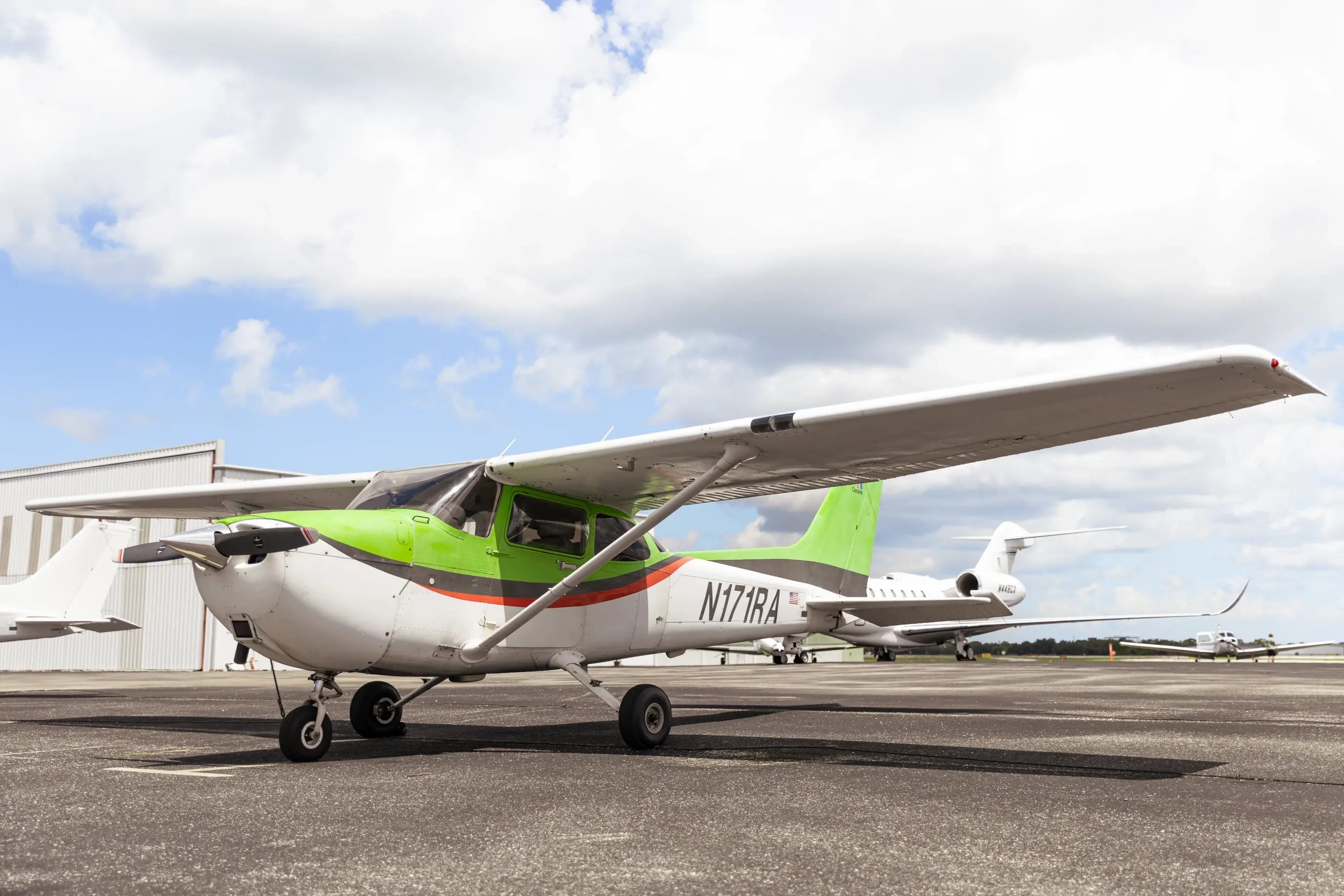
Earn Your Private Pilot License in Sarasota
Learn to fly in Sarasota with Cirrus Aviation. Our private pilot training provides a safe, fun, and professional environment for beginner pilots.
Private Pilot Certificate (PPL)
Foundational Training
The Private Pilot Certificate is the first major milestone in aviation and the starting point for every pilot’s journey. At Cirrus Aviation, private pilot training is approached with structure, professionalism, and purpose, reflecting more than three decades of experience training pilots in the National Airspace System.
Our FAA Part 141 program is designed to create safe, capable pilots through a standardized syllabus, consistent instruction, and modern training tools. Students learn not only how to fly an aircraft, but how to make sound decisions, manage risk, and operate confidently in real-world flying environments.
Whether your goal is recreational flying or a future career in aviation, this course establishes the habits and mindset that will carry forward into every rating that follows.
- Training Type FAA Part 141 Approved
- Duration ¹ From 4 to 6 months
- Program Cost Contact us for program pricing
¹ Individual performance may vary based on personal diligence, flying full-time or part-time, aptitude, and weather.
Program Benefits
- FAA-approved syllabus, aircraft, and simulators
- Clear instruction and consistent guidance from instructors with years of experience teaching students to fly
- Training in modern Cessna 172 aircraft
Requirements
- Ability to speak, read, write, and understand English
- At least 17 years old at time of checkride
- U.S. citizenship or TSA approval
- FAA Third Class Medical Certificate or higher before you can fly solo
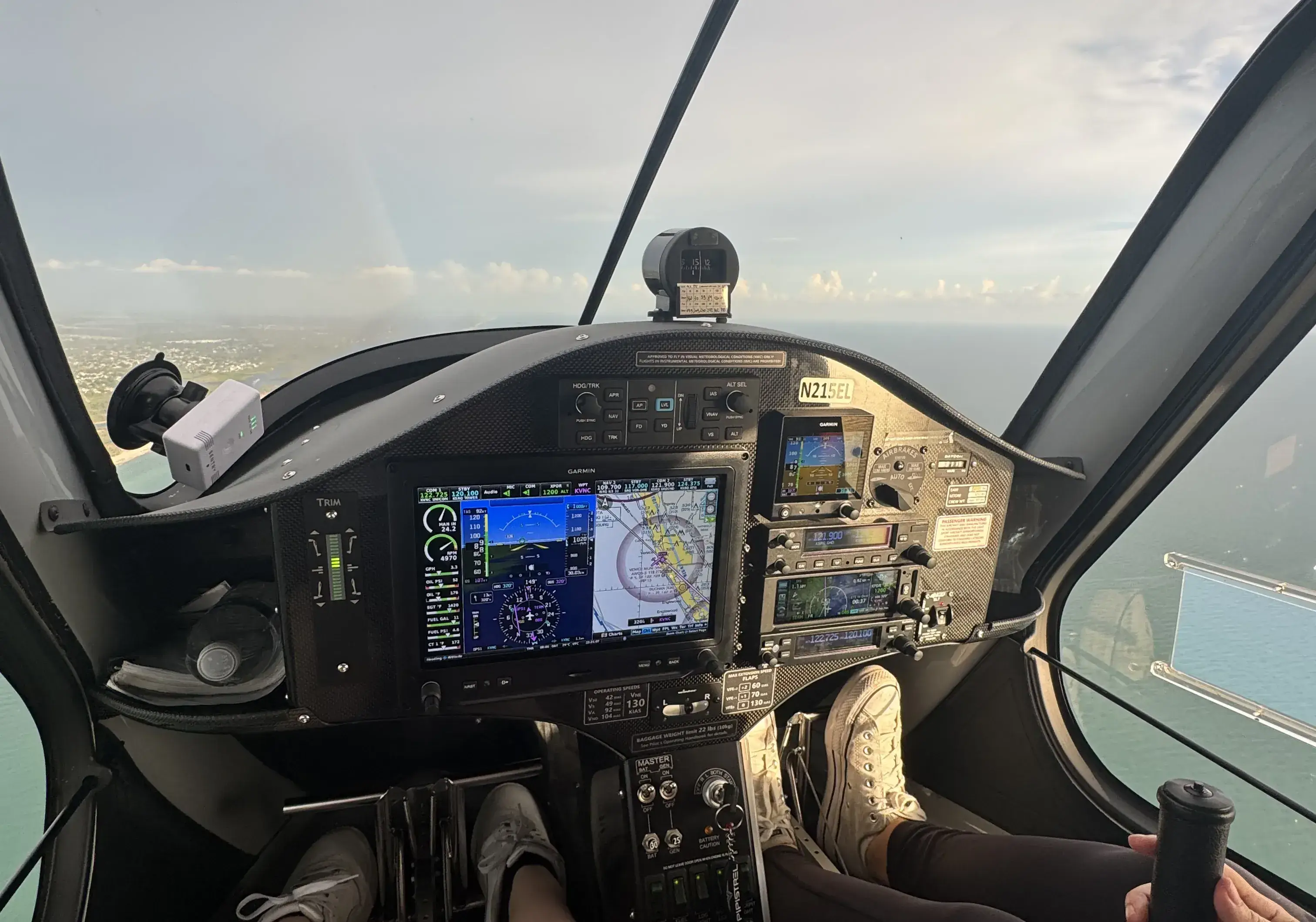
The Foundation of Your Aviation Journey
The Private Pilot course is where lifelong flying habits are formed. Cirrus Aviation expects students to approach training with preparation, consistency, and professionalism, balanced with an environment that remains positive, supportive, and enjoyable.
Students receive regular assignments, thorough pre and post-flight briefings, and continuous reinforcement of safety and decision-making skills. Emergency procedures and risk management are practiced throughout the syllabus to ensure readiness and confidence.
- Consistent study and lesson preparation expected
- Close correlation between ground instruction and flight lessons
- Ongoing emphasis on safety, professionalism, and good judgment
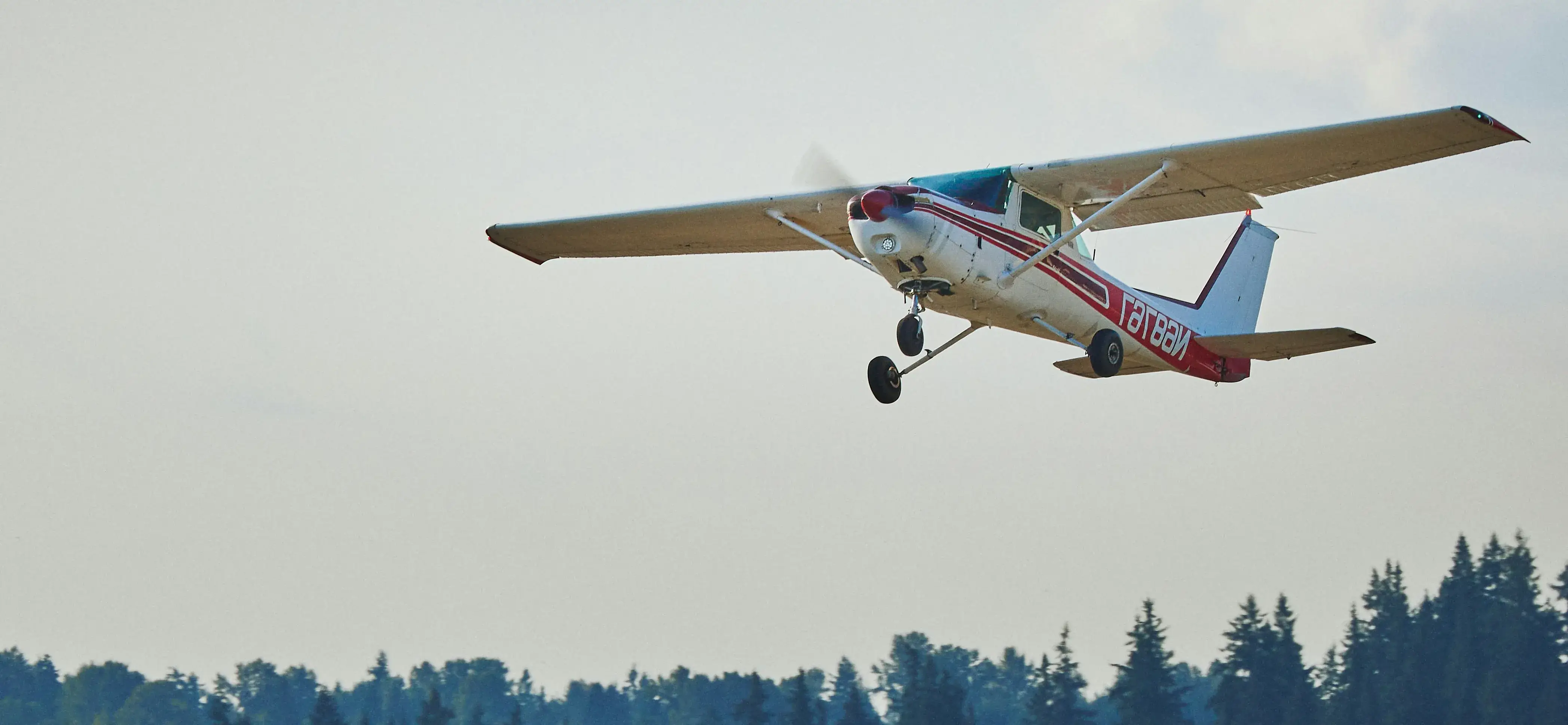
Begin Your Journey in Aviation
Ready to Take the Controls?
Earning your Private Pilot Certificate is the first step toward a lifetime of flying.
Learn the fundamentals of safe, confident flight with structured training and experienced instructors.
Whether you’re flying for fun or laying the groundwork for future ratings, your aviation journey starts here.
Let’s get you in the air.
What the PPL Course Includes
Course Breakdown
Cirrus Aviation’s Part 141 Private Pilot course provides a comprehensive training framework designed to take students from their first flight through FAA certification.
Ground & Flight Training
- Structured ground instruction and flight briefings
- Flight training in Cessna 172 Skyhawk aircraft
- FAA-approved Part 141 syllabus progression
Resources & Testing
- Access to FAA-approved ground school resources
- On-site FAA knowledge (written) testing
- Preparation for FAA practical test (checkride)
Important Note
- Training duration and total cost vary based on pace, weather, and individual progress
- Housing and pilot supplies are not included
Learn to Fly with Expert Instructors in Florida
The Cirrus Aviation Difference
Experience & Innovation
Founded in 1994, Cirrus Aviation has grown from a single-aircraft operation into a modern, forward-thinking flight training organization. Innovation has always been part of our DNA, from early GPS adoption to advanced avionics, simulators, and next-generation aircraft.
Standards & Support
Our FAA Part 141 certificate ensures that syllabi, instructors, aircraft, and simulators are individually approved and continuously monitored. Students benefit from a fully integrated training environment supported by dedicated staff and strong industry partnerships.
- Over 30 years of continuous flight training experience
- Standardized training fleet
- University, airline, and industry partnerships including Liberty University and Sallie Mae
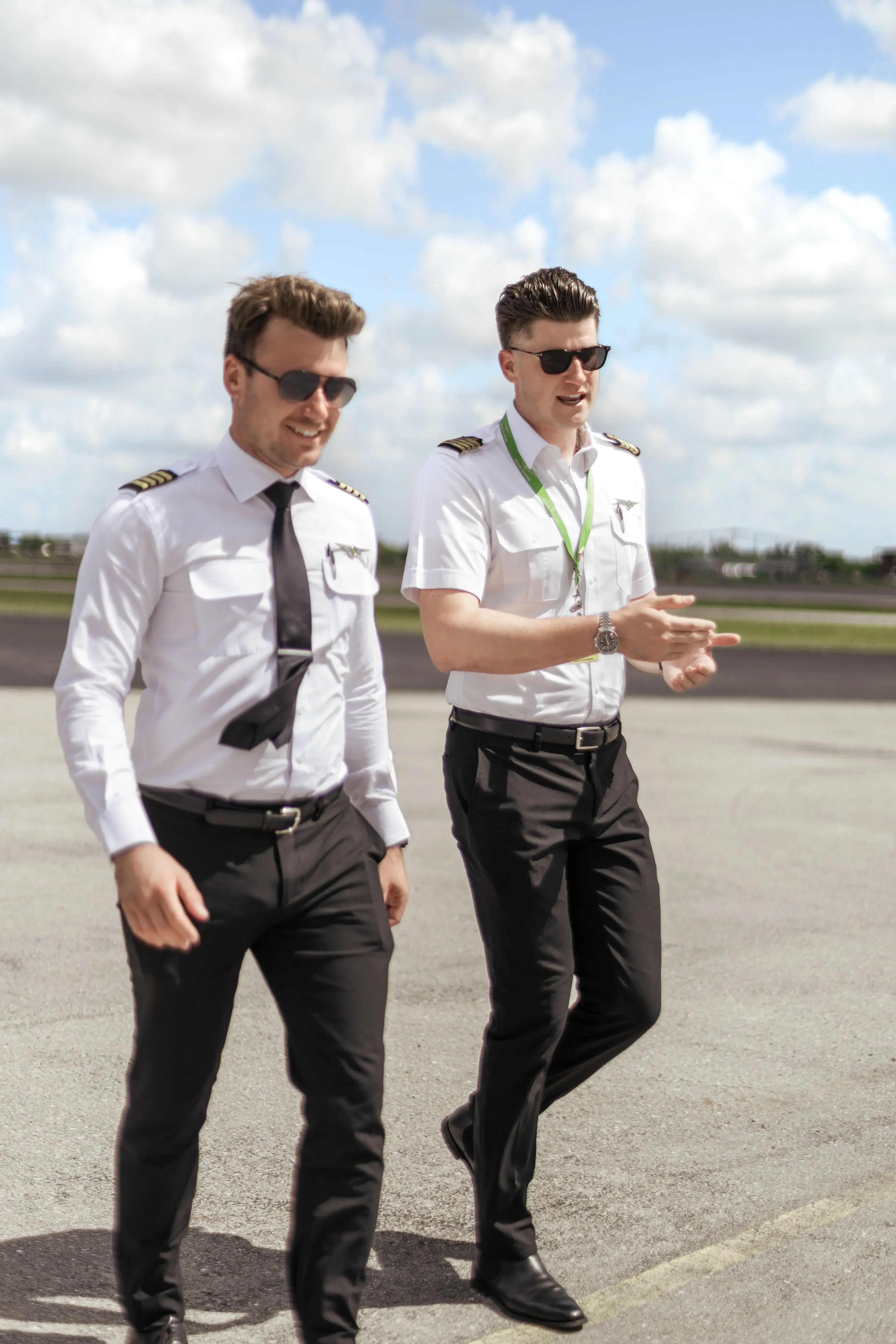
30+ Years of Excellence
Who This Course Is For
- First-time students with no prior flight experience
- Individuals exploring aviation as a hobby or future career
- Students seeking structured, professional flight training
From First Flight to Certification
Syllabus Overview
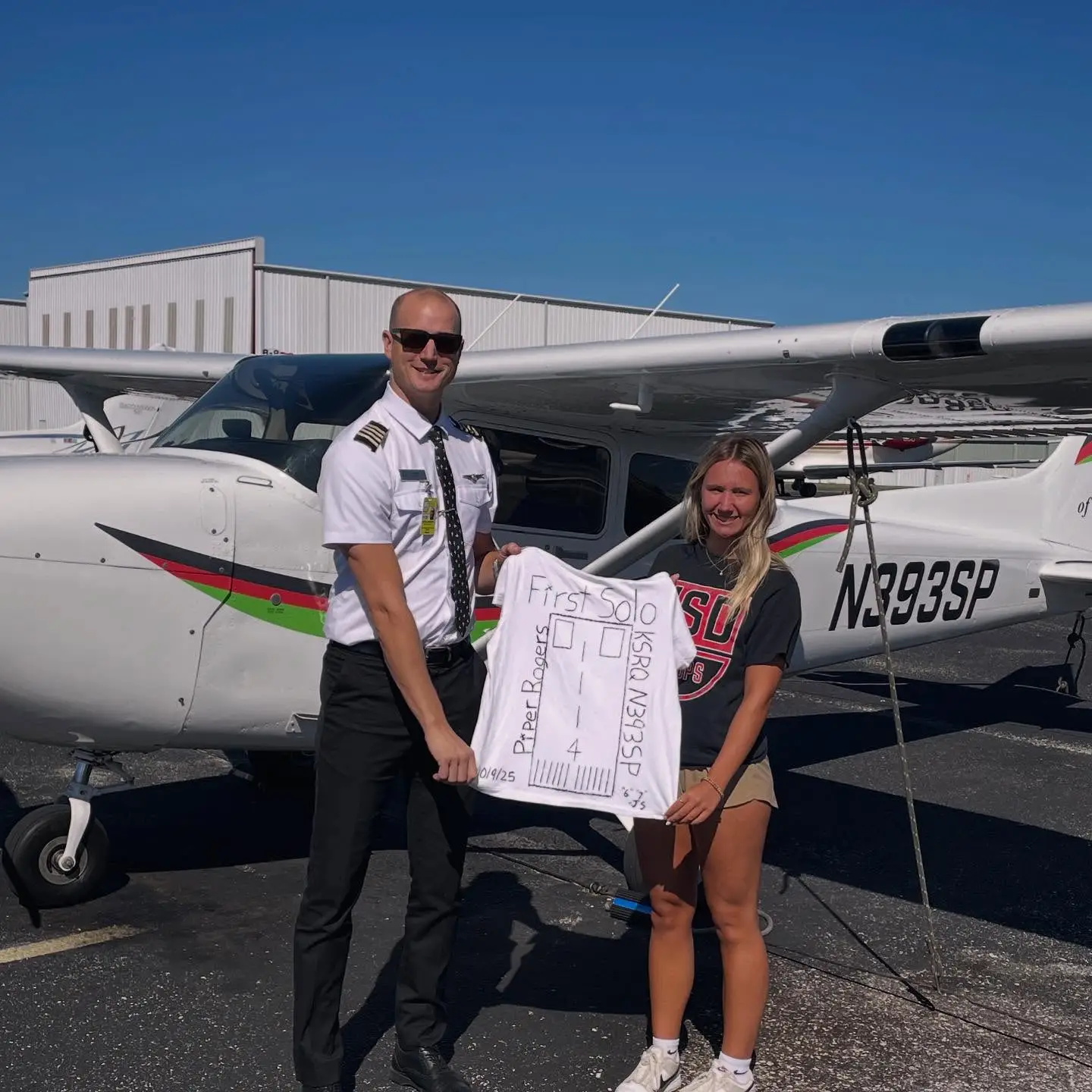
Solo Flight
Hold the controls yourself
Solo flight marks a major milestone in Private Pilot training. After demonstrating consistent aircraft control, sound decision-making, and strong situational awareness, students earn their first solo endorsement. Flying the aircraft alone builds confidence, sharpens skills, and reinforces the fundamentals learned during dual instruction, all while operating within clearly defined safety parameters.
- Aircraft systems and basic aerodynamics
- Fundamental flight maneuvers and radio communication
- Takeoffs, landings, and emergency procedures
- First Solo Flight
Cross-Country & Night
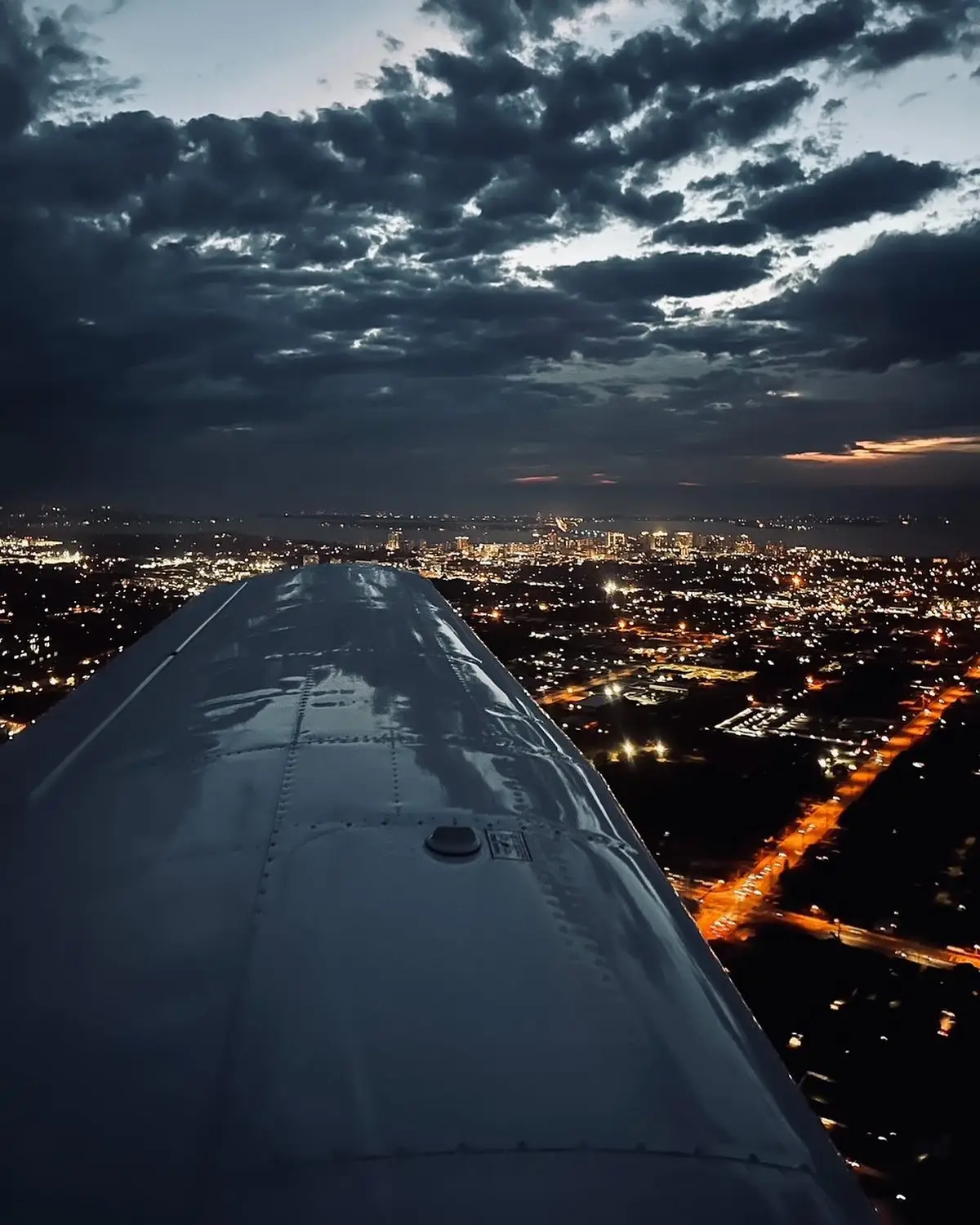
Fly under different conditions
As training progresses, students expand beyond the local practice area to cross-country flying. This phase focuses on flight planning, navigation, weather evaluation, and real-world aeronautical decision-making. Night flying introduces new visual cues and operational considerations, helping students develop adaptability and confidence in different lighting conditions while meeting FAA experience requirements.
- Flight planning and navigation
- Night flying operations
- Solo cross-country experience
- Solo Cross-Country Endorsements
Checkride Preparation
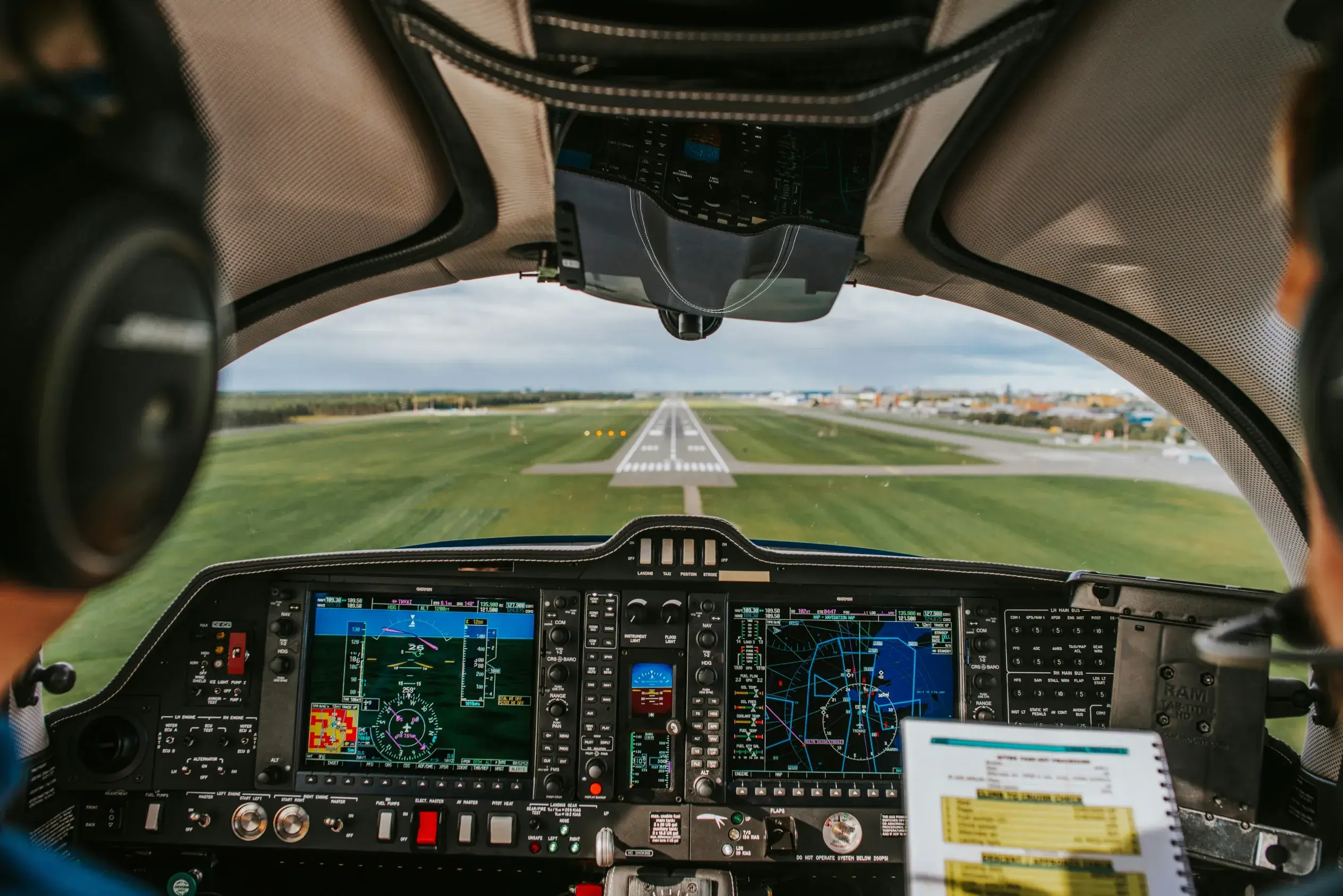
The final step
The final stage of training is dedicated to preparing for the FAA practical test, commonly known as the checkride. Students refine maneuvers, polish procedures, and review oral exam topics to ensure a strong understanding of both knowledge and skills. With focused instructor guidance and mock checkrides, this phase ensures students are confident, well-prepared, and ready to earn their Private Pilot Certificate.
- Maneuver refinement to FAA ACS standards
- Oral exam preparation
- Final evaluations and stage checks
- FAA Private Pilot Certificate
Final Outcome
Graduates earn an FAA Private Pilot Certificate and are authorized to carry passengers and operate single-engine aircraft.
Start TodayHow to Enroll
1. Meet the Student Services Team
Meet with one of our team members to plan your training.
2. Obtain an FAA Medical Certificate
Schedule an exam with an Aviation Medical Examiner (AME). This can also be done later, however you will need it before you can fly solo.
3. Schedule Your Training
Define your goals, availability, and preferred training pace.
4. Begin Flight Training
Start flying with your assigned instructor under a structured syllabus.
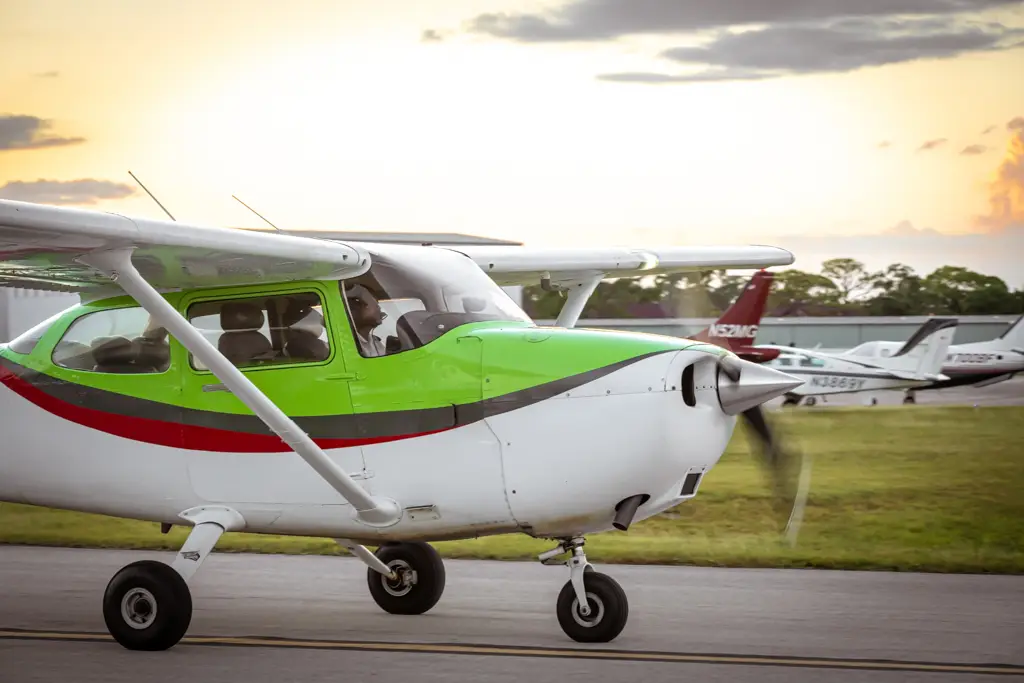
Take the First Step Toward Your Pilot Certificate
Start Flying
Learning to fly starts with a single decision. The Private Pilot Certificate opens the door to personal freedom, advanced training, and a lifetime in aviation.
Train with a school that values safety, professionalism, community, and a positive learning experience, every step of the way.
Frequently Asked Questions
Clear any doubts you might have
Do I need any prior experience or background to start?
No prior aviation experience is required. All training begins with fundamentals and builds toward advanced skills.
What are the requirements to start flight training?
In order to start training for a private pilot license, the base certification for flight training, you must:
- Be proficient in English.
- Be at least 17 years old when you complete the course.
- Have proof of U.S. citizenship or completed TSA approval.
- Hold at least a Third-Class Medical Certificate before you can fly solo. An FAA medical exam by an Aviation Medical Examiner (AME) is required.
What does flight training consist of?
Training includes:
- Ground School: Classroom instruction covering aerodynamics, regulations, weather, navigation, and safety.
- Dual Flight Instruction: Flight hours with a certified instructor.
- Solo Flight Time: Supervised solo flights once eligibility and proficiency standards are met.
- Written and Practical Exams: FAA Knowledge Tests and Check-Rides.
Can I train part-time?
Yes. Cirrus Aviation supports both full-time and part-time students with flexible scheduling.
What is the main difference between Part 61 and Part 141 flight training?
The main difference is the level of structure and FAA oversight. Part 61 training is flexible and instructor-driven, allowing students to progress at their own pace. Part 141 training follows an FAA-approved syllabus with defined stages, regular evaluations, and ongoing FAA oversight, offering a more structured path that is often preferred for career-focused training.
How long does Private Pilot training take?
Generally a PPL course takes from 3 to 6 months.
Training time varies based on availability, weather, and individual progress. Consistent scheduling leads to faster completion.
Got Any More Questions?