
Become a Certified Flight Instructor
Prepare for your FAA Certified Flight Instructor certificate with structured ground and flight training in Sarasota, Florida.
Certified Flight Instructor Certificate
Learn to Teach from the Right Seat
The Certified Flight Instructor certificate prepares commercial pilots to teach the knowledge, judgment, and aircraft-control skills required of new aviators. Candidates learn how to organize lessons, explain technical subjects clearly, recognize learning barriers, and evaluate performance against FAA standards.
Training also develops right-seat proficiency. You will practice demonstrations, identify common student errors, and learn when to intervene while keeping each lesson purposeful and safe.
For many professional pilots, instructing is the next step after commercial training. It offers a way to deepen aeronautical knowledge, develop leadership, and gain flight experience while helping other students progress.
- Training Type FAA Part 61 and 141 Approved
- Schedule Contact us to plan your training
- Course Cost Contact us for current pricing
Program Benefits
- Instruction in the Fundamentals of Instruction and technical subject areas
- Right-seat flight training with practice teaching and maneuver demonstrations
- Preparation for the FAA knowledge tests and practical test
Requirements
- Hold an FAA Commercial Pilot Certificate or Airline Transport Pilot Certificate
- Hold the category and class ratings appropriate to the instructor certificate sought
- Meet FAA English-language requirements
- Meet the applicable FAA aeronautical knowledge and experience requirements
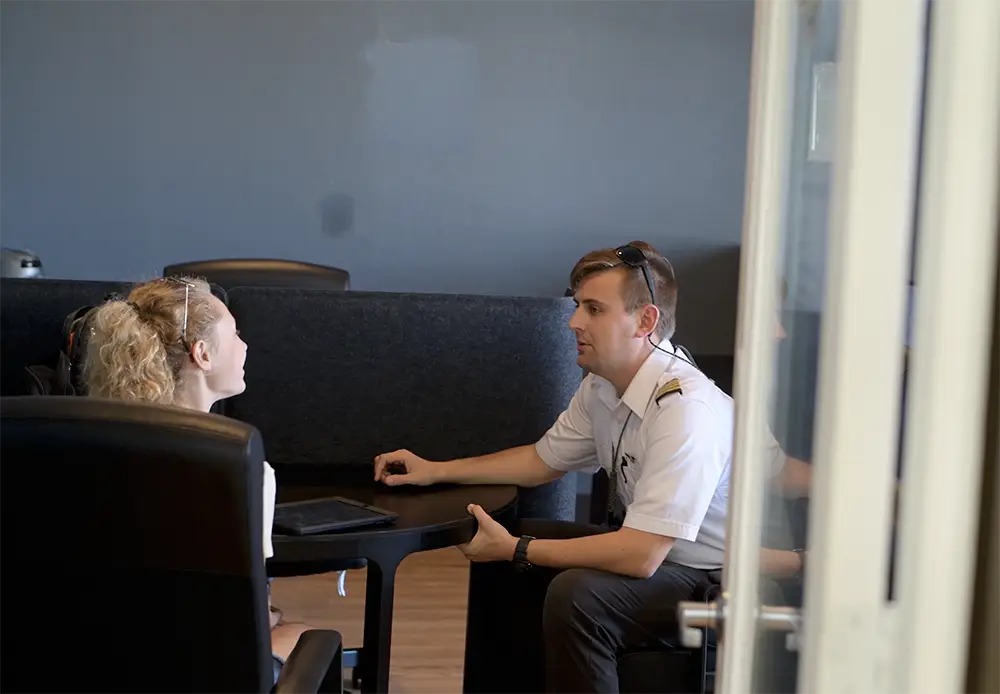
Training with an Instructor's Perspective
CFI training asks you to apply familiar aviation knowledge in a new way. Each subject must be understood well enough to explain, demonstrate, observe, and correct it.
Candidates prepare lesson plans, deliver ground presentations, and teach flight maneuvers from the right seat. Instructor feedback focuses on communication, risk management, technical accuracy, and sound judgment.
What to Expect
- Regular lesson preparation and practice teaching
- Right-seat demonstrations to commercial pilot standards
- Scenario-based discussions of endorsements, risk, and student supervision
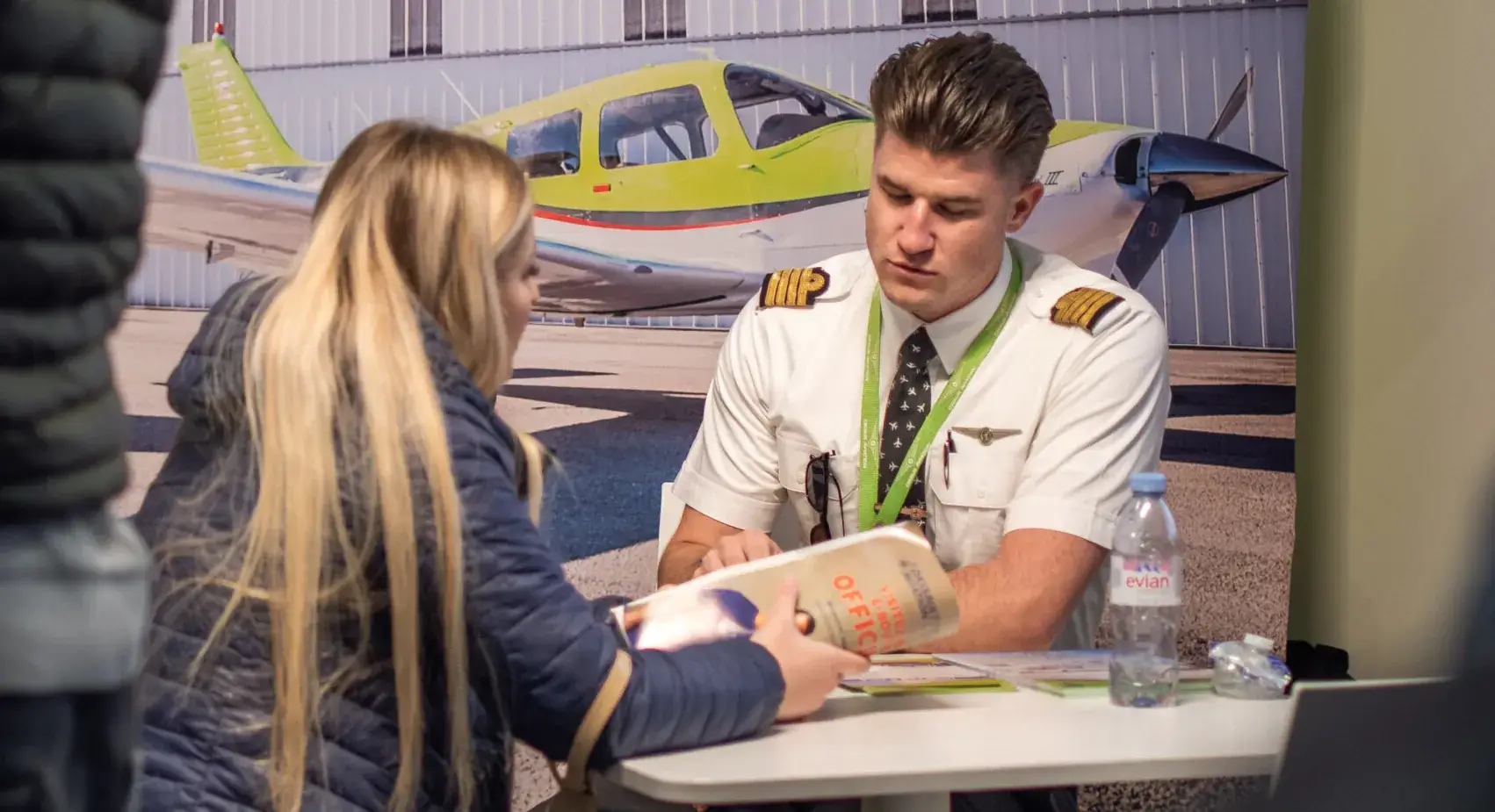
Prepare to Teach the Next Pilot
Take the Next Professional Step
Becoming a flight instructor changes how you plan, communicate, and evaluate every flight.
Our CFI course brings ground instruction, right-seat practice, and checkride preparation into a focused training path.
What CFI Training Covers
Course Breakdown
The course connects instructional knowledge with practical teaching skills in the classroom and aircraft.
Teaching Fundamentals
- The learning process and human behavior
- Effective communication and teaching methods
- Lesson planning, critique, and evaluation
- Instructor responsibilities and professionalism
Ground and Flight Instruction
- Technical subject-area review
- Right-seat aircraft control and maneuver demonstrations
- Practice identifying and correcting student errors
- Risk management and instructional decision-making
Practical Test Preparation
- Review for the Fundamentals of Instruction and Flight Instructor Airplane knowledge tests
- Mock oral instruction and flight evaluations
- Endorsement and recordkeeping review
Train in an Active Learning Environment
The Cirrus Aviation Approach
Instruction Built Around Clear Standards
Cirrus Aviation has trained pilots since 1994. CFI candidates work within a flight-school environment where lesson preparation, aircraft operations, and student progress are part of daily activity.
Skills You Will Develop
The course emphasizes the habits needed to guide students responsibly and communicate aviation concepts in practical terms.
- Organized lesson delivery
- Accurate maneuver demonstrations
- Constructive student assessment
- Consistent use of FAA standards and guidance
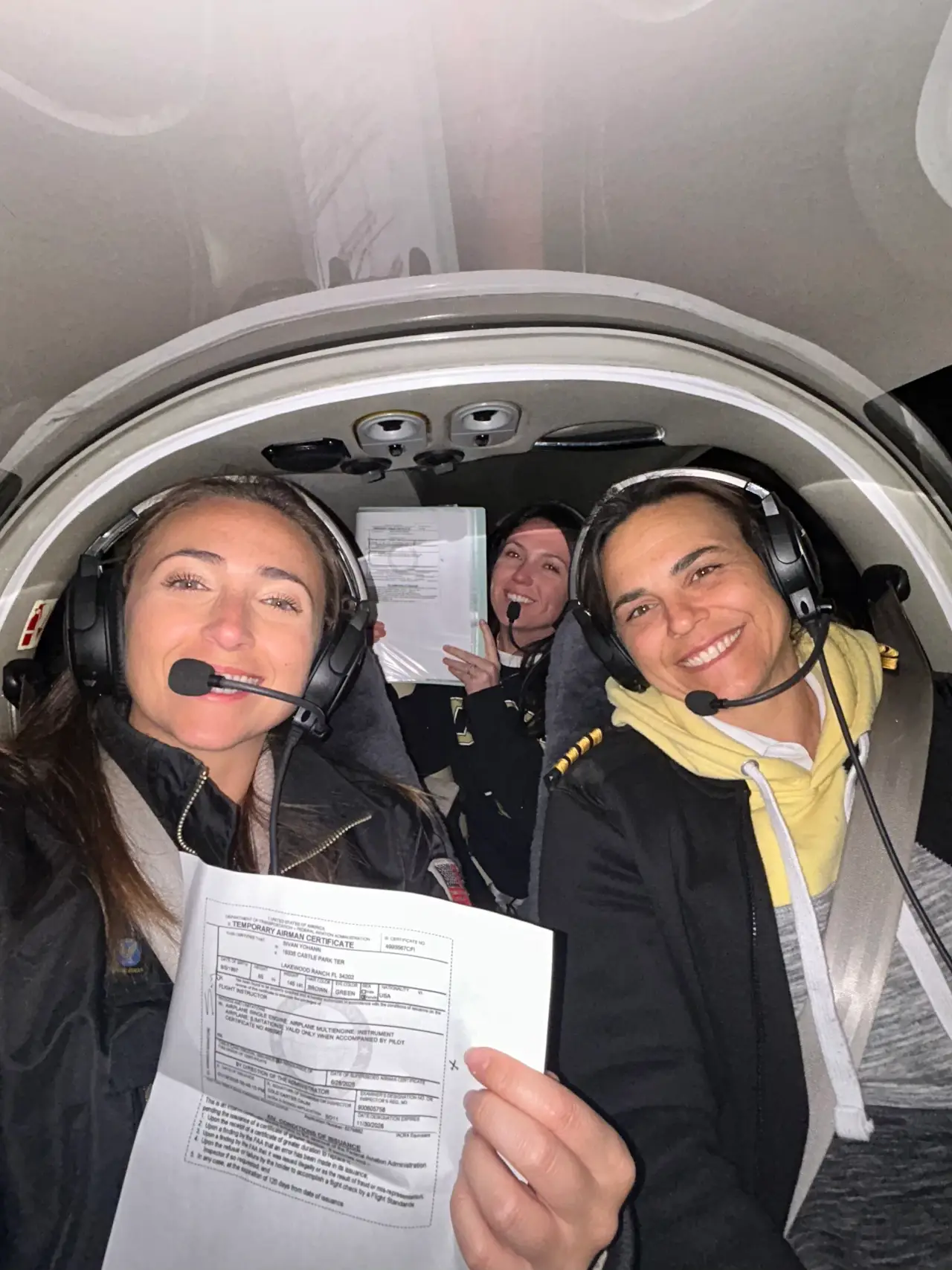
30+ Years of Excellence
Who This Course Is For
- Commercial pilots preparing for their first flight instructor certificate
- Career-track pilots who plan to build experience through instruction
- Pilots who want to strengthen their command of aeronautical subjects
Experience After Certification
A Common Professional Path
A CFI certificate permits you to provide flight instruction within the privileges and limitations of your certificate and endorsements. Many pilots use instructional work to build experience while preparing for later opportunities in charter, corporate, cargo, or airline operations.
- Provide primary and advanced flight instruction
- Develop leadership and aeronautical decision-making through teaching
- Pursue CFII and multi-engine instructor qualifications
- Accumulate flight experience toward future professional requirements
* Employment and career progression depend on individual performance, qualifications, available positions, market conditions, and regulatory requirements.
Your CFI Training Progression
From Pilot to Instructor
Fundamentals of Instruction
How people learn
Study the learning process, communication, teaching methods, assessment, and instructor responsibilities. You will begin turning FAA source material into organized lessons for different stages of student development.
- Learning theory and human behavior
- Communication and barriers to learning
- Lesson planning and student evaluation

Technical Subject Areas
Teach aeronautical knowledge
Review the subjects a flight instructor must teach, including aircraft systems, aerodynamics, weather, regulations, navigation, endorsements, and risk management. Practice presentations build accuracy and confidence.
- FAA regulations and endorsements
- Aircraft systems, performance, and limitations
- Weather, navigation, and risk management
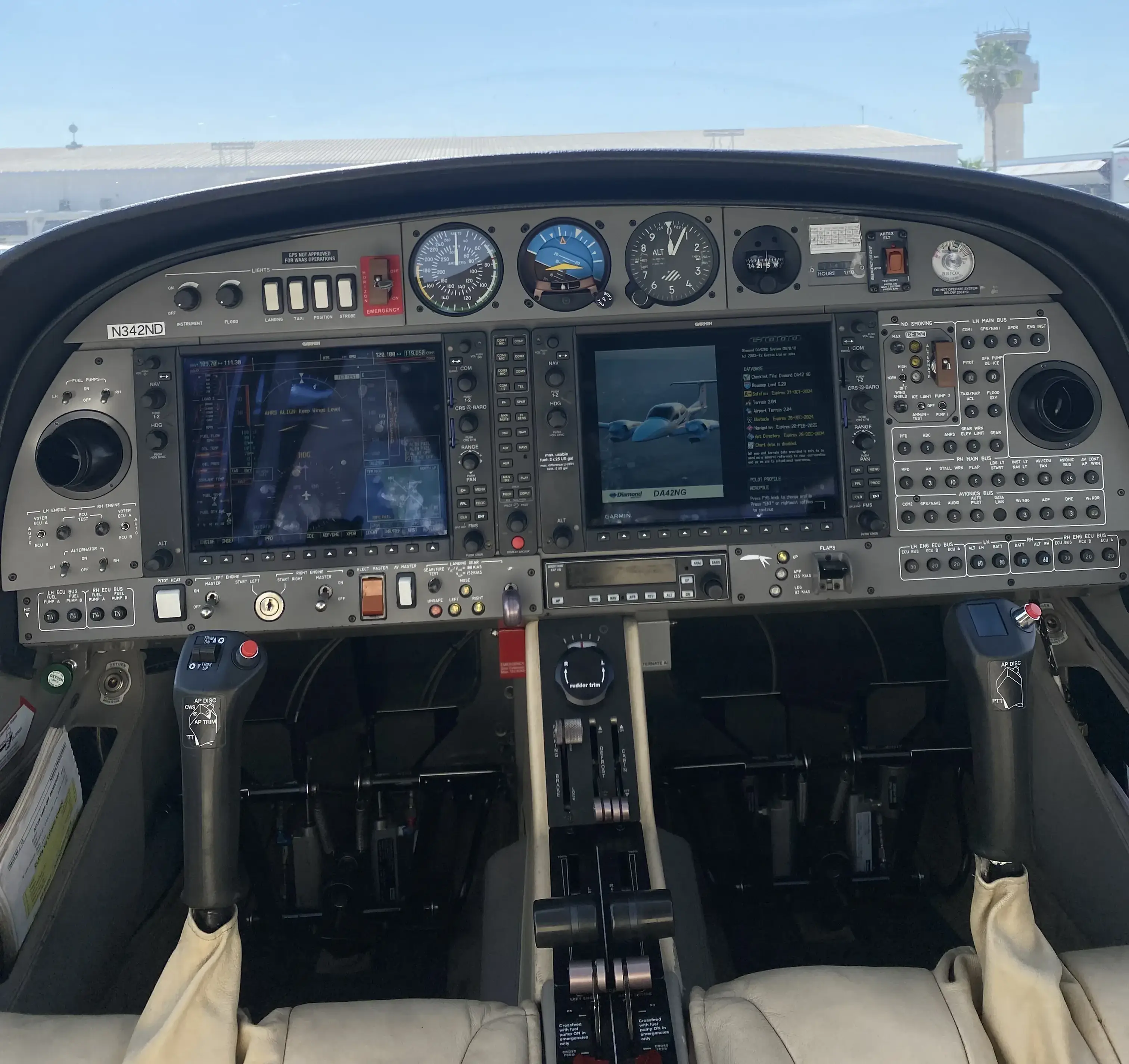
Right-Seat Flight Training
Demonstrate while instructing
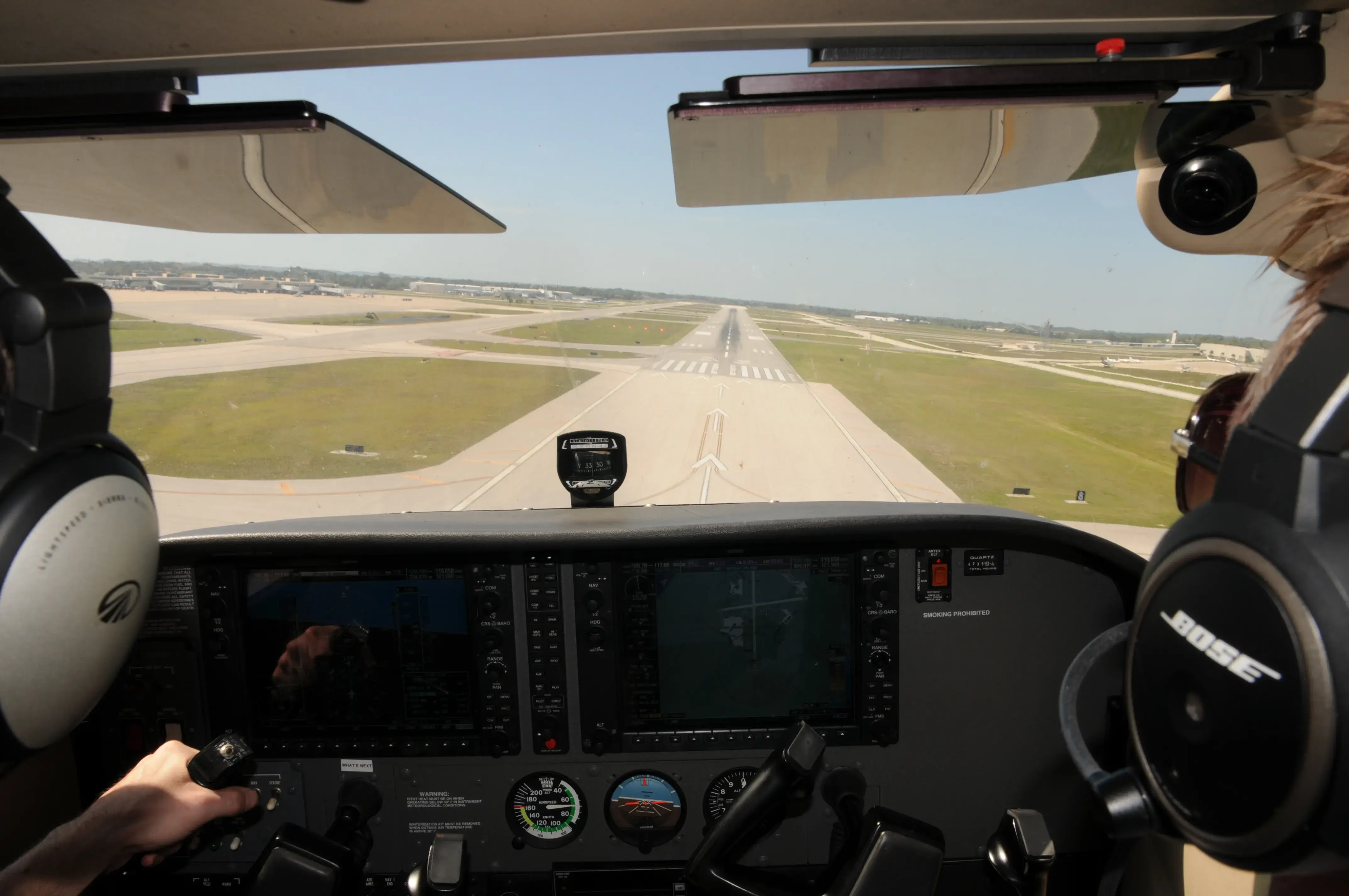
Develop right-seat proficiency while explaining each maneuver, monitoring a simulated student, and correcting errors. Flights connect technical knowledge with practical instruction and cockpit management.
- Right-seat aircraft control
- Teaching demonstrations and error correction
- Instructional risk management
Checkride Preparation
Present and perform to FAA standards
Complete oral teaching practice, knowledge review, and mock flight evaluations. The final phase focuses on organized explanations, accurate demonstrations, and readiness for the FAA practical test.
- Mock oral presentations
- Maneuver and procedure review
- Practical test endorsement preparation
Earn Your Flight Instructor Certificate
After meeting FAA requirements and passing the practical test, you may exercise CFI privileges within the ratings and limitations shown on your certificate.
Start TodayHow to Get Started
1. Review Your Certificates
Confirm that you hold the commercial or airline transport pilot certificate and ratings required for the instructor certificate sought.
2. Meet with Our Training Team
Discuss your experience, goals, availability, and preparation for the FAA knowledge tests.
3. Plan Your Schedule
Set a training pace that provides time for lesson preparation, ground instruction, and right-seat flight practice.
4. Begin CFI Training
Start working through instructional fundamentals, technical subjects, flight lessons, and practical test preparation.
Start Your Instructor Training
Prepare for the Right Seat
A CFI certificate brings teaching, leadership, and precise flying into the next stage of your professional development.
Speak with our team about prerequisites, scheduling, and a training plan based on your current certificates and experience.
Frequently Asked Questions
Clear any doubts you might have
Can I train part-time?
Yes. Cirrus Aviation supports both full-time and part-time students with flexible scheduling.
What is the main difference between Part 61 and Part 141 flight training?
The biggest difference between Part 61 and Part 141 comes down to structure and oversight. In Part 61, a student’s experience and progress depend heavily on the individual instructor, so consistency can vary. In Part 141, the student follows an FAA-approved system with standardized training, tracked progress, and oversight of instructors, aircraft, simulators, and records. This structure helps protect the student’s progress, maintain consistency, and support a more efficient path to completion, while still allowing scheduling flexibility.
What do I need to start Certified Flight Instructor training?
You must hold an FAA Commercial Pilot Certificate or Airline Transport Pilot Certificate with the category and class ratings appropriate to the instructor certificate sought.
You must also meet the applicable FAA English-language, aeronautical knowledge, and experience requirements.
What does Certified Flight Instructor training cover?
CFI training combines the Fundamentals of Instruction with technical subject review, lesson planning, practice teaching, and right-seat flight training.
Candidates learn to demonstrate maneuvers, identify and correct student errors, manage instructional risk, and prepare for the FAA knowledge and practical tests.
Does earning a CFI certificate guarantee employment?
No. A CFI certificate allows you to provide flight instruction within its privileges, ratings, limitations, and endorsements, but it does not guarantee an instructor position.
Employment depends on individual performance, qualifications, available positions, market conditions, and regulatory requirements.
Got Any More Questions?