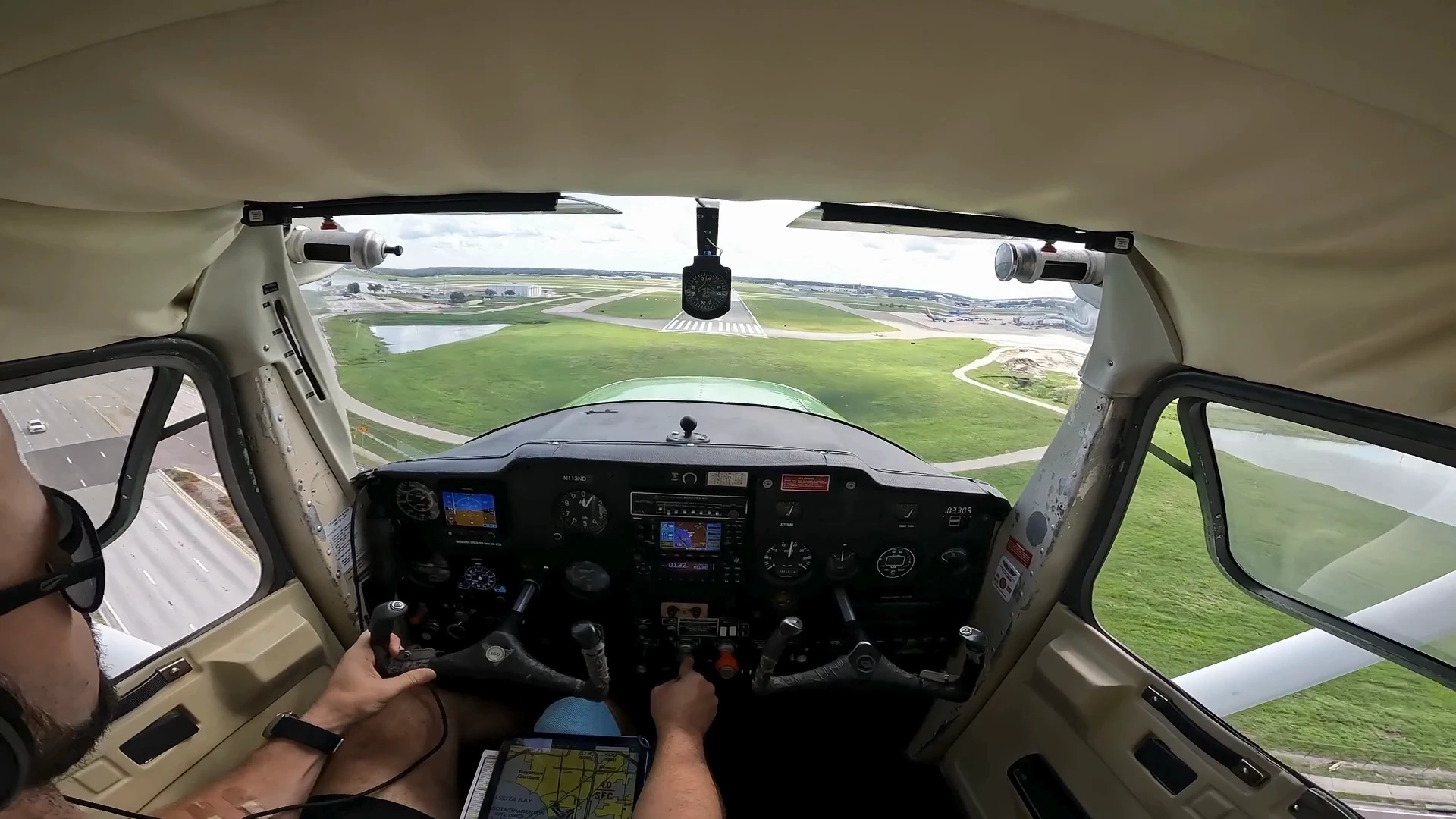
Earn Your Commercial Pilot License
Build professional-level flying skills through structured commercial pilot training at Cirrus Aviation in Sarasota, Florida.
Commercial Pilot Certificate
Develop Professional Flying Standards
The Commercial Pilot Certificate is the stage where experienced private pilots refine their flying to meet professional standards. Training focuses on precise aircraft control, thoughtful planning, risk management, and consistent performance across a range of operations.
At Cirrus Aviation, the course follows an organized syllabus that connects ground study, scenario-based instruction, and advanced flight maneuvers. Each lesson develops the judgment and technical skill expected when flying becomes a professional responsibility.
A commercial certificate allows a pilot to conduct certain operations for compensation or hire within FAA rules and the ratings held. It also creates a foundation for flight instructor training and other professional qualifications.
- Training Type FAA Part 61 and 141 Approved
- Schedule Contact us to plan your training
- Course Cost Request a personalized training estimate
Program Benefits
- Structured ground and flight training built around FAA commercial pilot standards
- Advanced maneuver practice, cross-country planning, and scenario-based decision-making
- Training in single-engine aircraft, including technically advanced aircraft where appropriate
Requirements
- Hold an FAA Private Pilot Certificate
- Meet the applicable FAA age, English-language, aeronautical knowledge, and flight experience requirements
- Hold the medical certificate required for the operations you intend to conduct
- Provide proof of U.S. citizenship or obtain TSA approval
Train with Professional Purpose
Commercial training calls for preparation before every lesson and close attention to aircraft limitations, weather, airspace, performance, and operational risk. Your instructor will expect you to plan each flight and explain the decisions behind it.
Flight lessons raise the standard for coordination, accuracy, and situational awareness. Debriefs identify specific areas for improvement and help turn individual maneuvers into repeatable professional habits.
What to Expect
- Consistent study and complete lesson preparation
- Precise maneuver performance within FAA standards
- Practical use of performance data, regulations, and risk-management tools
Move Your Flying Toward a Career
Plan the Next Certificate
Your current certificates, logged experience, and career goals shape the most useful route through commercial training.
Meet with our training team to review your logbook, identify remaining requirements, and map a schedule for ground and flight lessons.
What Commercial Pilot Training Covers
Course Breakdown
The course develops the knowledge, flight experience, and practical-test readiness required for the certificate and rating sought.
Ground and Flight Training
- Commercial pilot regulations, privileges, and limitations
- Aircraft systems, performance, and weight-and-balance planning
- Advanced flight maneuvers and takeoff and landing operations
- Cross-country planning and scenario-based flights
Professional Decision-Making
- Weather analysis and operational planning
- Aeronautical decision-making and risk management
- Passenger, payload, and aircraft performance considerations
- Clear checklist use and cockpit organization
Practical Test Preparation
- Aeronautical knowledge review
- Maneuver refinement to FAA standards
- Mock oral and flight evaluations
- Required endorsements and application preparation
Build Skills in an Active Flight-School Environment
The Cirrus Aviation Approach
Structured Training with Clear Benchmarks
Cirrus Aviation has trained pilots since 1994. Commercial students work through defined lesson objectives with instructors who connect FAA standards to the planning, communication, and judgment used in daily flight operations.
A Connected Training Path
Students can continue within the same training environment as they move from instrument proficiency into commercial maneuvers, multi-engine training, and instructor certification.
- FAA-approved Part 61 and Part 141 training options
- Access to aircraft, simulators, ground instruction, and on-site support
- Training plans based on prior experience and professional goals
- Preparation for the next certificate or rating in your career path
Who This Course Is For
- Private pilots preparing to exercise commercial pilot privileges
- Instrument-rated pilots continuing along a professional training path
- Pilots preparing for flight instructor or other professional qualifications
Where the Certificate Can Lead
A Professional Milestone
Commercial pilot privileges apply within the category, class, and ratings shown on your certificate and within the rules governing each operation. Many pilots continue with a multi-engine rating or a flight instructor certificate as they prepare for paid flying roles.
- Continue to Certified Flight Instructor training
- Add a multi-engine class rating
- Pursue eligible commercial flying opportunities
- Build experience toward future corporate, charter, cargo, or airline qualifications
* A Commercial Pilot Certificate does not guarantee employment or qualify a pilot for every commercial operation. Jobs may require additional ratings, experience, medical qualification, company training, insurance approval, or operating certificates.
Your Commercial Pilot Training Progression
From Experience to Professional Standards
Knowledge and Flight Planning
Prepare for each operation
Review commercial pilot privileges, aircraft systems, performance, weather, and cross-country planning. Your instructor will assess previous experience and align the syllabus with the requirements still ahead.
- Regulations, privileges, and limitations
- Performance and weight-and-balance calculations
- Weather analysis and cross-country planning
Advanced Flight Maneuvers
Refine control and coordination
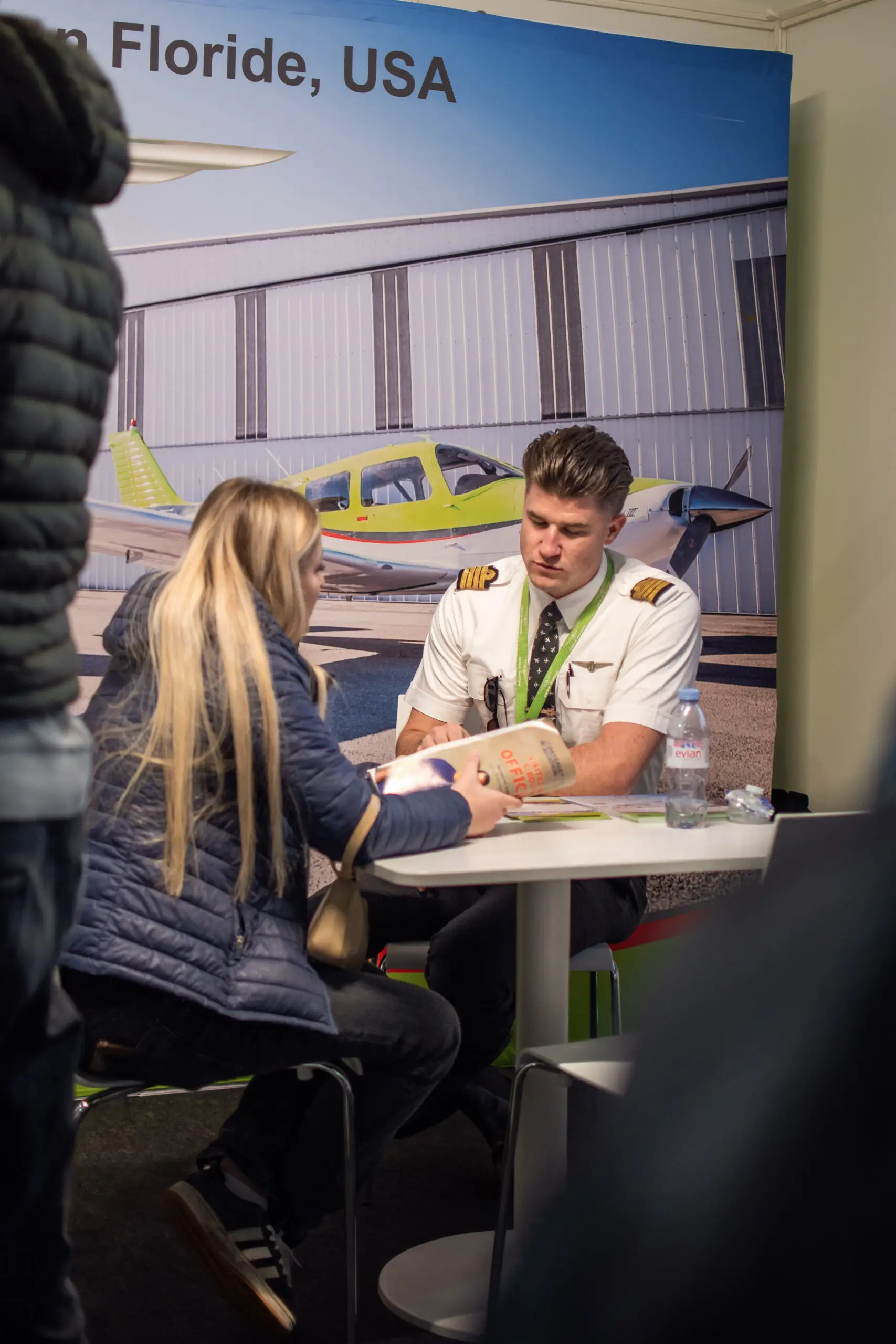
Practice the maneuvers required for the commercial practical test while developing smooth control, energy management, situational awareness, and consistent use of visual references.
- Commercial maneuvers and emergency procedures
- Takeoff and landing accuracy
- Aircraft control to FAA standards
Scenario-Based Operations
Apply judgment in context
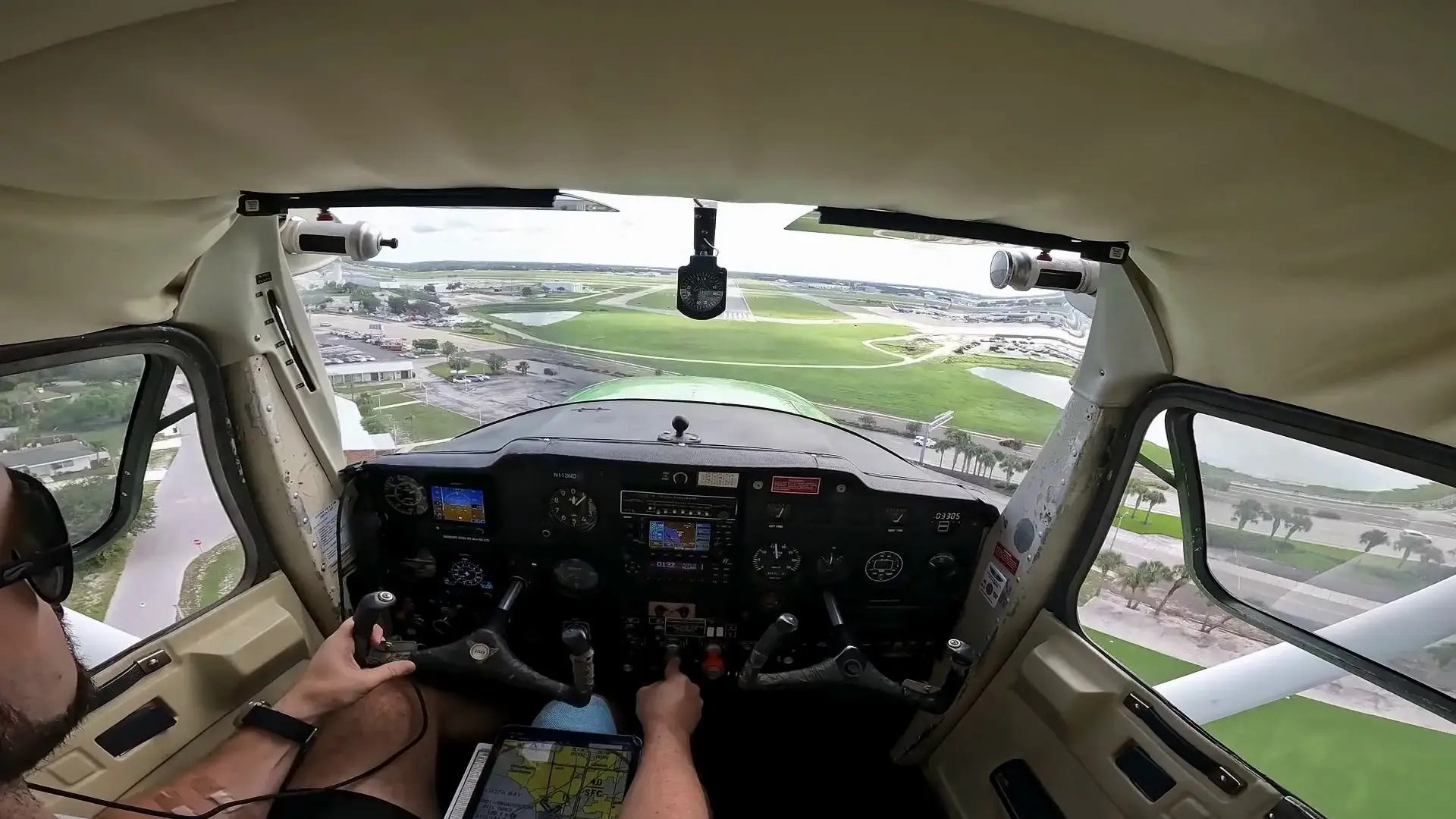
Combine planning and aircraft handling during realistic flights. Scenarios develop workload management, communication, risk assessment, and the ability to adjust a plan as conditions change.
- Cross-country flight operations
- Weather and fuel decisions
- Cockpit organization and workload management
Practical Test Preparation
Demonstrate commercial standards
Complete knowledge review, maneuver refinement, and mock evaluations. This phase confirms that your logbook, endorsements, application, oral preparation, and flight performance are ready for the FAA practical test.
- Oral exam review
- Mock practical-test flights
- Application and endorsement preparation
Earn Your Commercial Pilot Certificate
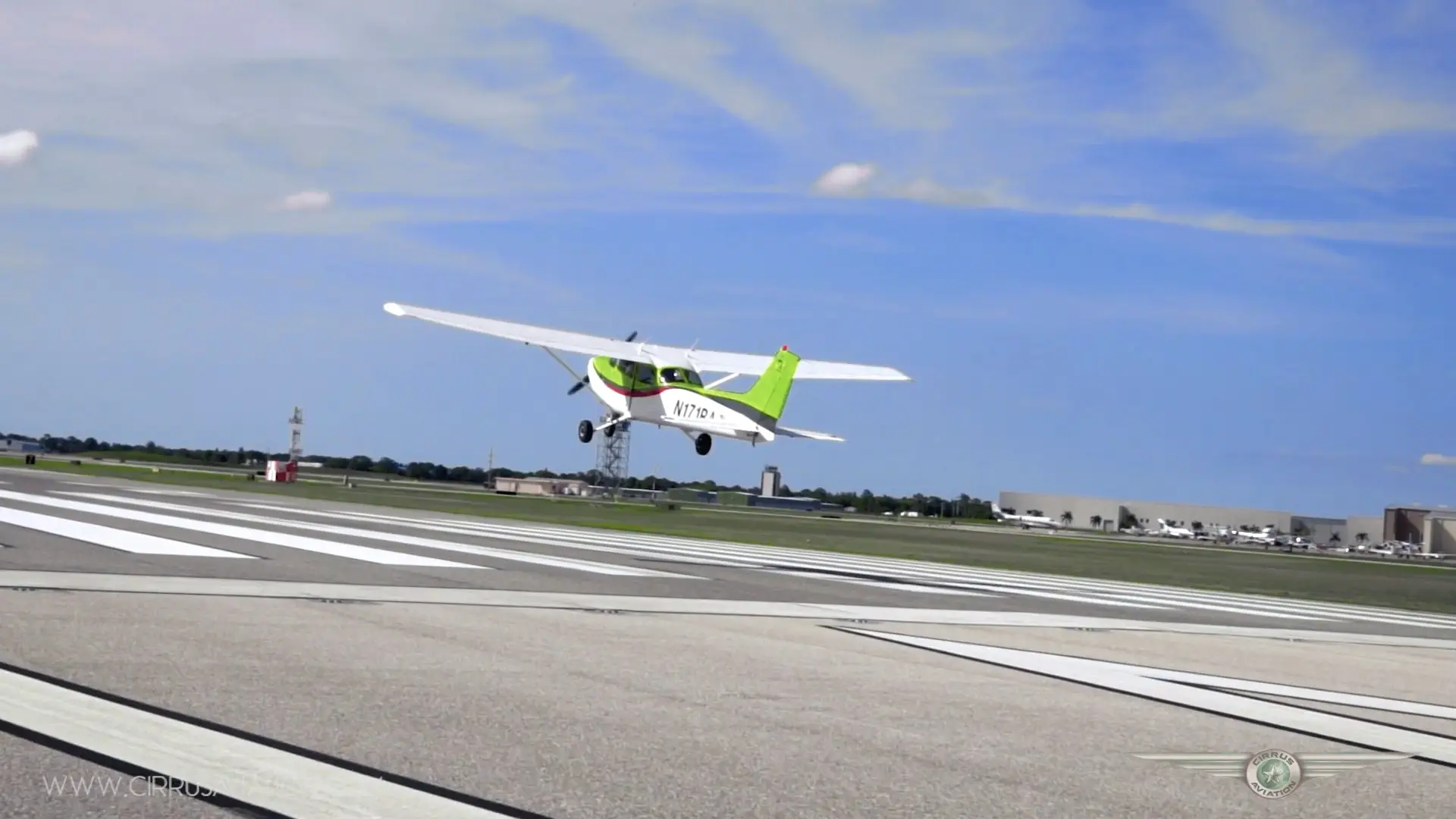
After meeting the applicable FAA requirements and passing the practical test, you may exercise commercial pilot privileges within the ratings and limitations on your certificate.
Start TodayHow to Begin
1. Review Your Logbook
Meet with our training team to document your certificates, ratings, aeronautical experience, and remaining requirements.
2. Define Your Training Plan
Choose the appropriate Part 61 or Part 141 path and establish a schedule for ground and flight instruction.
3. Complete Course Preparation
Confirm your medical, citizenship or TSA documentation, study resources, and aircraft availability.
4. Begin Commercial Training
Start the syllabus with focused ground lessons, advanced maneuvers, scenario flights, and stage-based progress checks.
Put a Commercial Training Plan on Paper
Review Your Next Steps
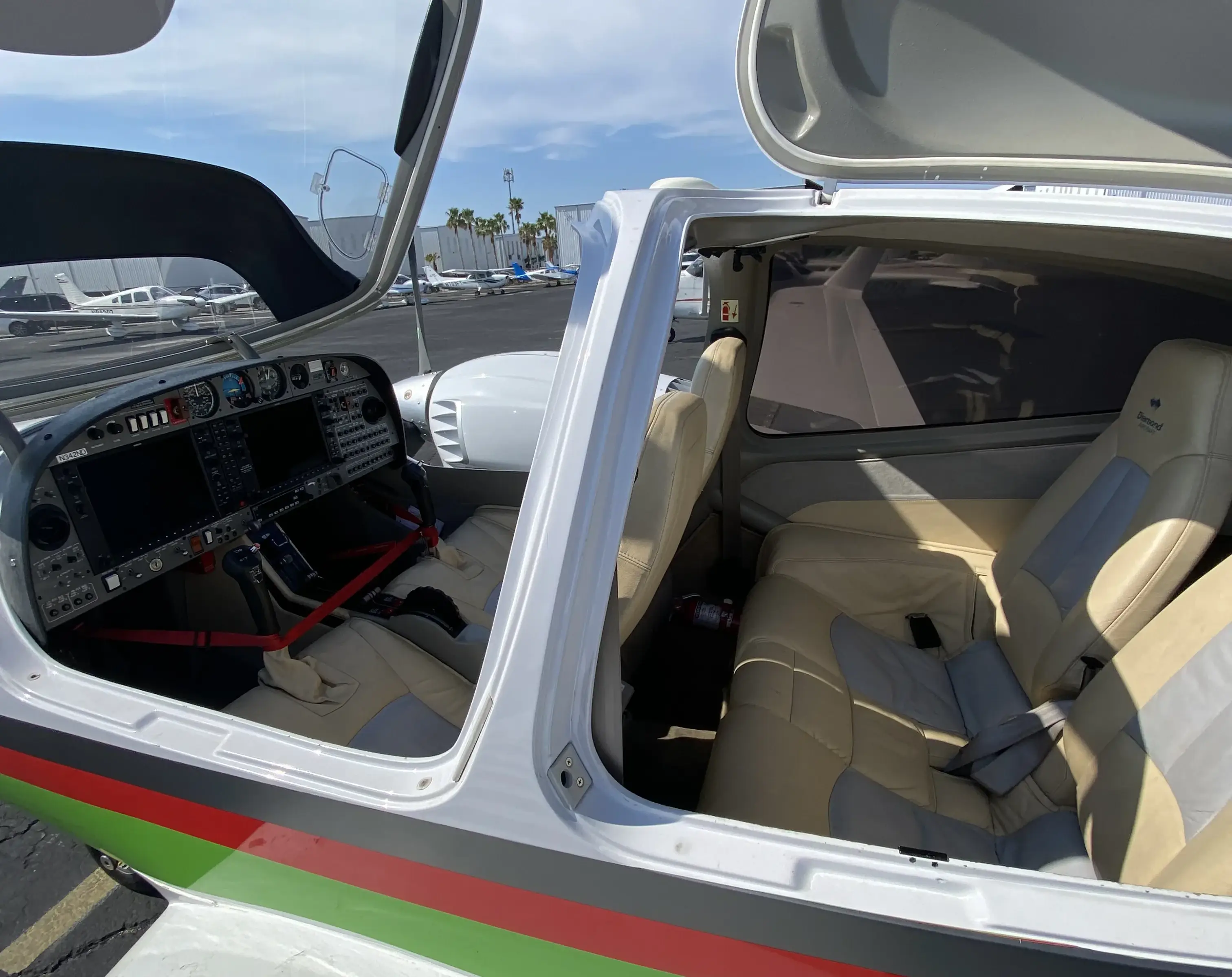
Bring your logbook, current certificates, and career goals to a conversation with our training team.
We will help you understand the course structure, scheduling options, and experience needed for your commercial practical test.
Frequently Asked Questions
Clear any doubts you might have
Can I train part-time?
Yes. Cirrus Aviation supports both full-time and part-time students with flexible scheduling.
What is the main difference between Part 61 and Part 141 flight training?
The biggest difference between Part 61 and Part 141 comes down to structure and oversight. In Part 61, a student’s experience and progress depend heavily on the individual instructor, so consistency can vary. In Part 141, the student follows an FAA-approved system with standardized training, tracked progress, and oversight of instructors, aircraft, simulators, and records. This structure helps protect the student’s progress, maintain consistency, and support a more efficient path to completion, while still allowing scheduling flexibility.
What do I need to start Commercial Pilot training?
You must hold an FAA Private Pilot Certificate and meet the applicable FAA requirements for age, English proficiency, aeronautical knowledge, and flight experience.
Our team will review your logbook, certificates, ratings, medical goals, and citizenship or TSA documentation to create the appropriate Part 61 or Part 141 training plan.
What does Commercial Pilot training cover?
Commercial Pilot training develops professional-level aircraft control, flight planning, risk management, and decision-making.
The course includes advanced maneuvers, cross-country and scenario-based operations, commercial pilot privileges and limitations, and preparation for the FAA knowledge and practical tests.
Does a Commercial Pilot Certificate guarantee a flying job?
No. A Commercial Pilot Certificate permits certain operations for compensation or hire within the privileges and limitations of the certificate, but it does not guarantee employment or qualify a pilot for every commercial operation.
Jobs may require additional ratings, experience, medical qualification, company training, insurance approval, or operating certificates.
Got Any More Questions?