News May 18, 2026 • Nayda Cattin
If you are trying to figure out how long it takes to get a pilot license, the honest answer is: it depends on which milestone you mean.
For many Sarasota students, earning a Private Pilot Certificate is often planned as a 2 to 6 month project. If your goal is a professional path, our Career Pilot Program is commonly planned in a 5 to 18 month range. Your actual pace depends on schedule consistency, weather, aircraft and instructor availability, study habits, proficiency, medical readiness, and whether you train full-time or part-time.
That may sound like a lot of variables, but it is good news. Your timeline is not random. It is something you can plan, protect, and improve.
At Cirrus Aviation, we help students at Sarasota-Bradenton International Airport (KSRQ) think about flight training as a series of clear milestones. Here is the realistic way to look at the path.
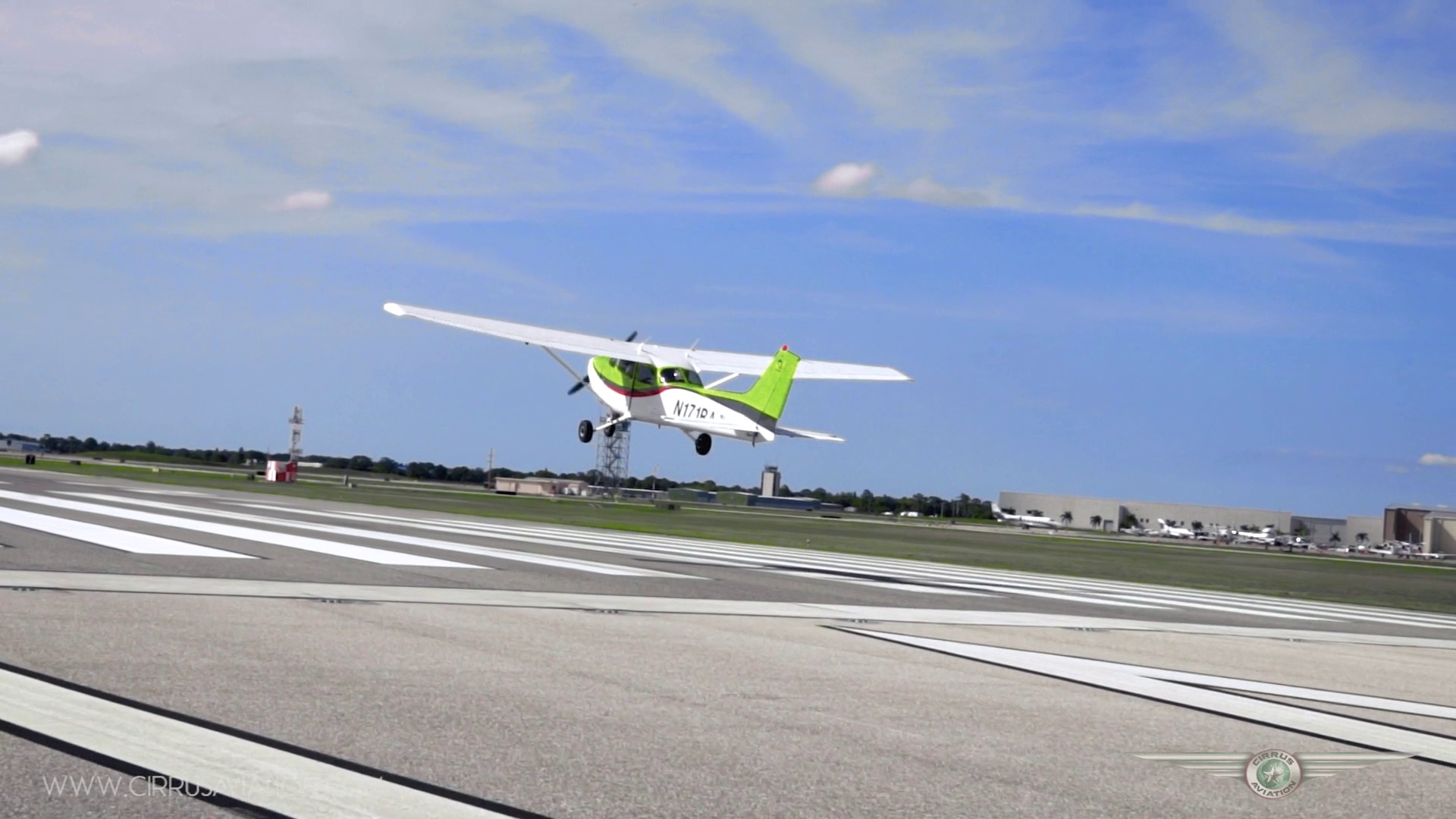
Source: Cirrus Aviation media archive
Start With the Pilot Certificate You Actually Want
Most people say “pilot license” because that is the phrase they have heard. In FAA (Federal Aviation Administration) language, you are usually working toward a pilot certificate, and each certificate or rating gives you specific privileges.
If your goal is to fly for personal travel, family trips, or the joy of flying, your first major goal is usually the Private Pilot Certificate. That is the starting point for most airplane pilots and the foundation for nearly everything that comes next.
If your goal is to fly professionally, the Private Pilot Certificate is still an early milestone, but it is not the finish line. Many career-track students continue into an Instrument Rating, a Commercial Pilot Certificate, a Multi-Engine Rating, and often instructor credentials before building the experience required for many professional roles.
Here is the simplest way to separate the two questions:
| Goal | Planning Range | What It Means |
|---|---|---|
| Private Pilot Certificate | 2 to 6 months | Your first major pilot certificate and the foundation for recreational or future career flying. |
| Career Pilot Program | 5 to 18 months | A structured path through professional training milestones. Actual completion varies by pace, preparation, weather, and proficiency. |
That distinction matters because “how long does it take to become a commercial pilot” is a different question from “how long does it take to earn my first pilot certificate.” A Commercial Pilot Certificate is a major professional milestone, but it does not automatically qualify you for every paid flying job or airline position. Employers, aircraft, operations, ratings, total time, medical requirements, and company standards all matter.
Expected Time to a Private Pilot License
For a student training consistently, taking 2 to 6 months to get a Private Pilot License is a realistic time window. Students who fly more often, study between lessons, and keep steady momentum tend to progress more efficiently. Students training around work, school, family, or seasonal travel may need more time.
Your private pilot training includes ground study, preflight preparation, dual flight lessons with an instructor, solo milestones, cross-country planning, night flight experience, checkride preparation, and the FAA practical test. The flying is exciting, but the calendar is won or lost in the ordinary habits: showing up prepared, chair-flying procedures, reviewing weather, and keeping lessons close enough together that skills stay fresh.
Training at KSRQ also gives you regular exposure to a real airport environment. You are not only learning to steer an airplane. You are learning radio communication, traffic awareness, checklist discipline, weather judgment, and how to make calm decisions while the airplane is moving.
Source: Cirrus Aviation media archive
The Fastest Students Usually Protect Their Schedule
The students who finish efficiently are not always the students with the most natural talent. More often, they are the students who protect a rhythm.
A strong training schedule usually includes multiple touchpoints each week: flight lessons when weather allows, ground study when it does not, and enough review between lessons to avoid relearning the same skill. If you only fly occasionally, each lesson has to spend more time rebuilding confidence and less time adding new capability.
Part-time training can absolutely work. We support both full-time and part-time students through our flight training programs. The key is to build a schedule that fits your real life instead of pretending your calendar is more open than it is.
Before you start, think through these timeline drivers:
- Lesson frequency
More consistent flying usually helps skills build faster. - Weather
Sarasota has many flyable days, but weather still affects flight training. - Preparation
Ground study, homework, and chair-flying reduce wasted lesson time. - Medical readiness
Address medical certification early, especially before heavy training investment. - Financing
Financing options may be available to qualified applicants, and planning payment steps early can prevent avoidable pauses. - Checkride timing
Practical test scheduling can affect the final stretch of your timeline.
If you are brand new, a Discovery Flight is a useful first step because it gives you a real cockpit experience before you commit to a training plan.
Career-Track Students Should Think in Phases
If you are asking how long does it take to become a commercial pilot, the better question is: “How long will it take me to move through each professional milestone?”
In our Career Pilot Program, completion is typically planned in a 5 to 18 month range. That range is wide because the student profiles are different. A full-time student with strong availability, steady study habits, and clean scheduling may move much faster than a student balancing work, travel, weather delays, or financing pauses.
Career-track pilots move through a sequence like this:
| Phase | Why It Matters |
|---|---|
| Private Pilot Certificate | Builds the foundation for aircraft control, decision-making, and solo flight privileges. |
| Instrument Rating | Teaches precision, weather decision-making, IFR (Instrument Flight Rules) procedures, and disciplined cockpit workflow. |
| Commercial Pilot Certificate | Raises performance standards and allows certain compensated flying operations, subject to ratings, rules, and employer requirements. |
| Multi-Engine Rating | Adds multi-engine aircraft skills that are important for many professional paths. |
| Flight Instructor Credentials | A common way for many pilots to build experience, though instructor employment is not automatic. |
The important thing is not to collapse all of that into one promise like “airline pilot in X months.” Airline eligibility and airline hiring are separate milestones from earning a Commercial Pilot Certificate. A commercial certificate is a major step, but professional aviation keeps asking for more: judgment, experience, ratings, interviews, medical qualification, and the right fit for the operation.
Part 141 Structure Can Help, but It Does Not Replace Proficiency
Cirrus Aviation offers both FAA Part 61 and Part 141 training options, the practical difference for students is structure.
Part 141 training follows an FAA-approved curriculum with organized records, stage checks, and defined course standards. Part 61 training can offer more flexibility in pacing and structure. One is not automatically the right answer for every student, but structure can help when you want a clear path, accountability, and fewer unknowns.
Part 141 may allow lower minimum flight-time requirements for some approved courses, but minimum hours are not completion guarantees. A pilot certificate is earned by meeting standards, if you need more time to become safe, proficient, and checkride-ready, that extra time is part of the process.
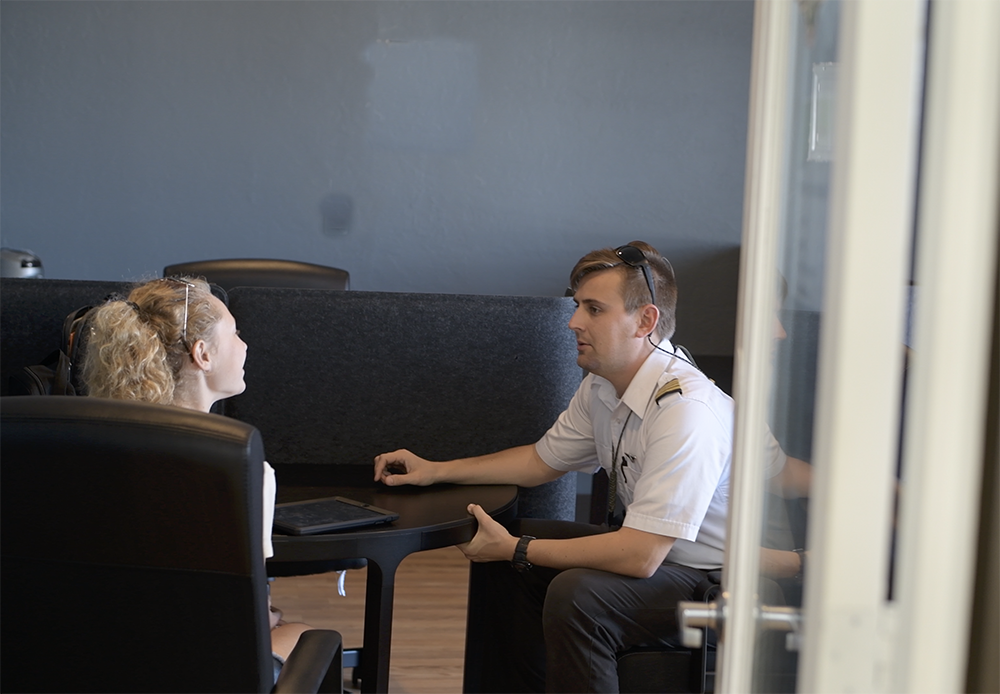
That is why we encourage students to discuss goals early. Someone flying for recreation, someone planning a career change, and someone coordinating university, veteran, or international student requirements may need different pacing even when they begin in the same airplane.
Source: Cirrus Aviation media archive
Your Timeline Gets Clearer After a Real Planning Conversation
A realistic pilot training timeline should include more than flight hours. It should include your weekly availability, medical plan, financing plan, start date, study habits, and whether you are training for recreation or a career.
If you are trying to move efficiently, come prepared to discuss:
- How many days per week you can train
- Whether you want a full-time or part-time pace
- Whether you already have a medical certificate or need AME guidance
- Whether you are starting from zero time or prior flight experience
- Whether you need financing support, veteran benefit guidance, university-path planning, or international student support
- Whether your goal is recreational flying, a Commercial Pilot Certificate, or a longer airline-track pathway
That conversation helps us map the path in a way that fits your life instead of handing you a generic timeline that falls apart after the first weather delay.
The Best Time to Start Is When You Can Stay Consistent
There is no perfect month when every lesson goes exactly as planned. Weather changes. Checkride timing shifts. Work gets busy. Aviation rewards patience and preparation.
But if you can protect a training rhythm, study between lessons, and make decisions early about medical certification and financing, you can make your timeline much more predictable.
For many students, the first goal is simple: earn the Private Pilot Certificate. For career-focused students, the bigger plan may be a professional training path through a career pilot program. Both paths start with the same decision: getting a real plan on the calendar.
Ready to see what your timeline could look like?
Contact Cirrus Aviation and we will help you compare private pilot, career pilot, full-time, part-time, and financing options so you can start with clear expectations.