Highlights Jul 6, 2026 • Nayda Cattin
If you are looking at a full flight training timeline, the path can feel bigger than it really is. Discovery Flight, Private Pilot, Instrument Rating, Commercial Pilot, CFI: each step has its own purpose, its own workload, and its own planning risks.
Your first step is usually a Discovery Flight, your first major certificate is usually the Private Pilot Certificate, and many career-track students continue into Instrument Rating, Commercial Pilot, and Certified Flight Instructor training. At Cirrus Aviation in Sarasota, private pilot training is commonly planned as a 2 to 6 month project, while our Career Pilot Program is commonly planned in a 5 to 18 month range.
Those are planning ranges. Your actual pace depends on schedule consistency, weather, aircraft and instructor availability, study habits, financing continuity, checkride timing, and proficiency. The goal is to understand the path well enough to protect your momentum instead of rushing the calendar.
Start With the Experience Before You Choose the Whole Path
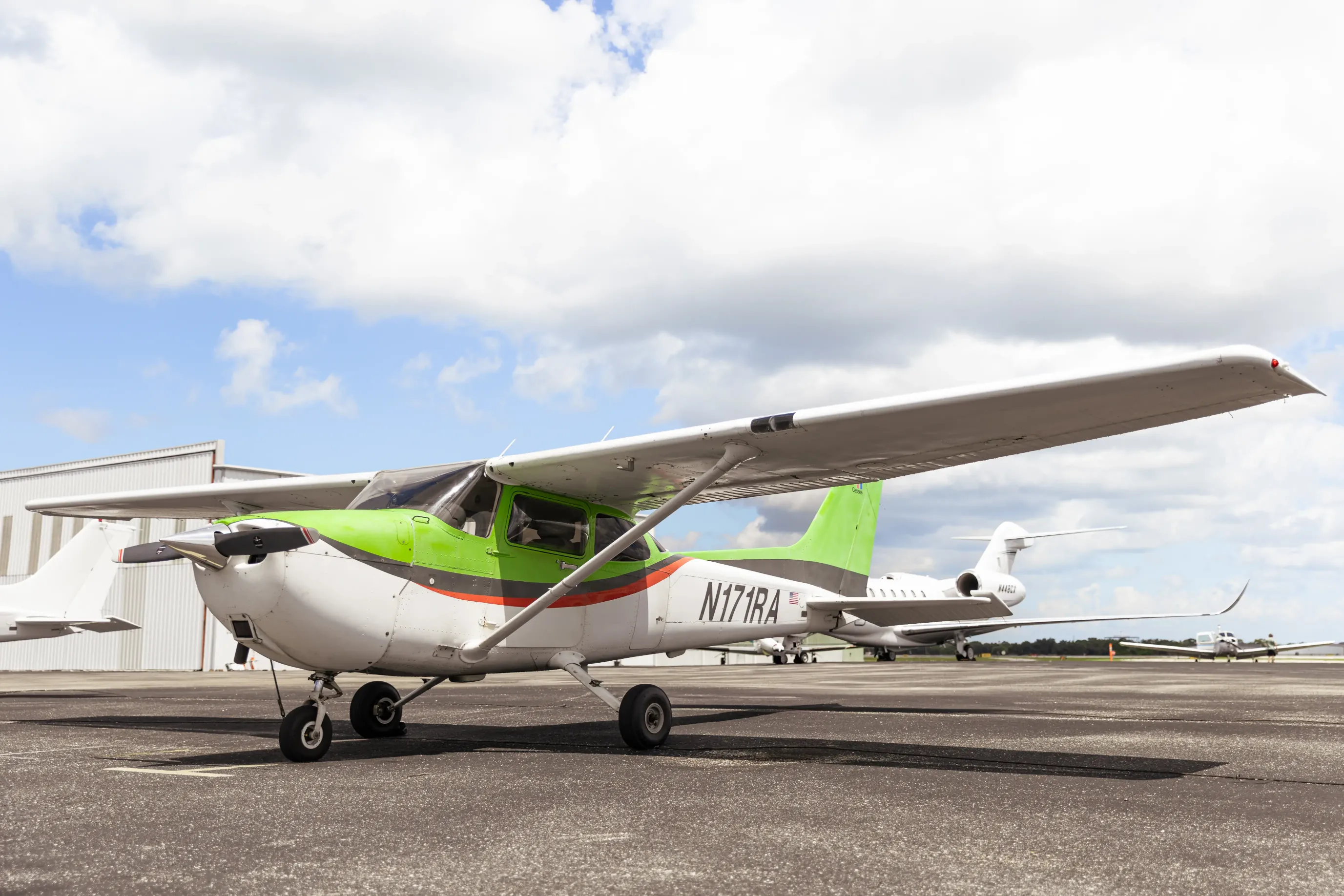
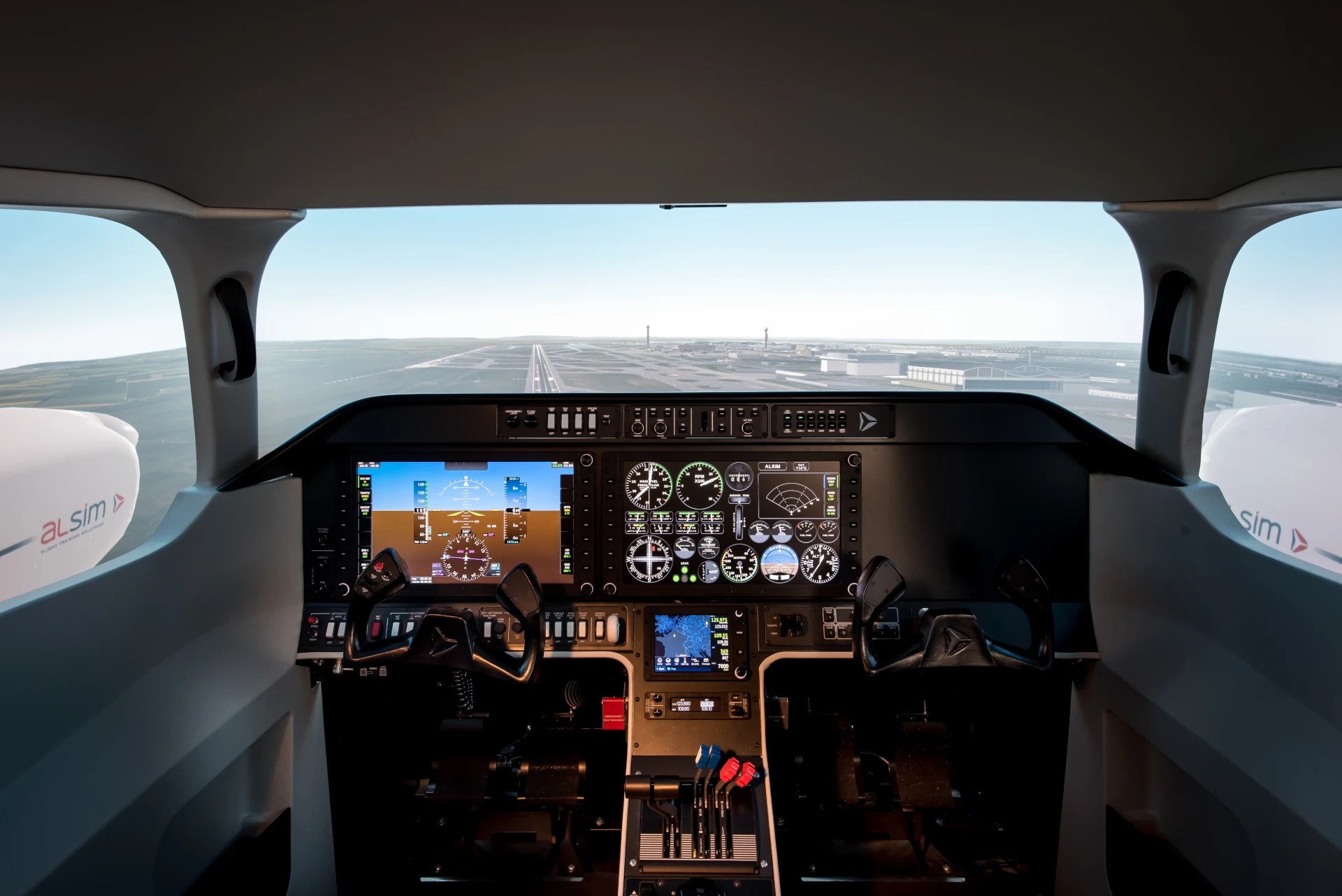
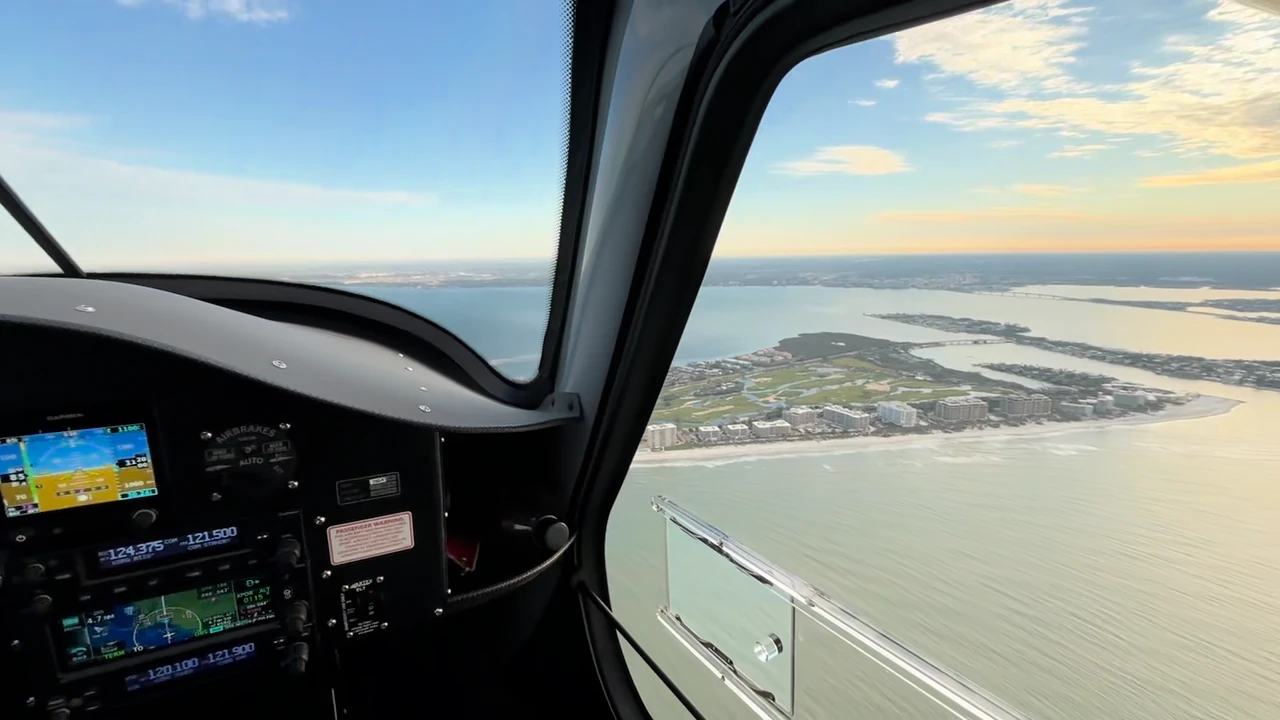
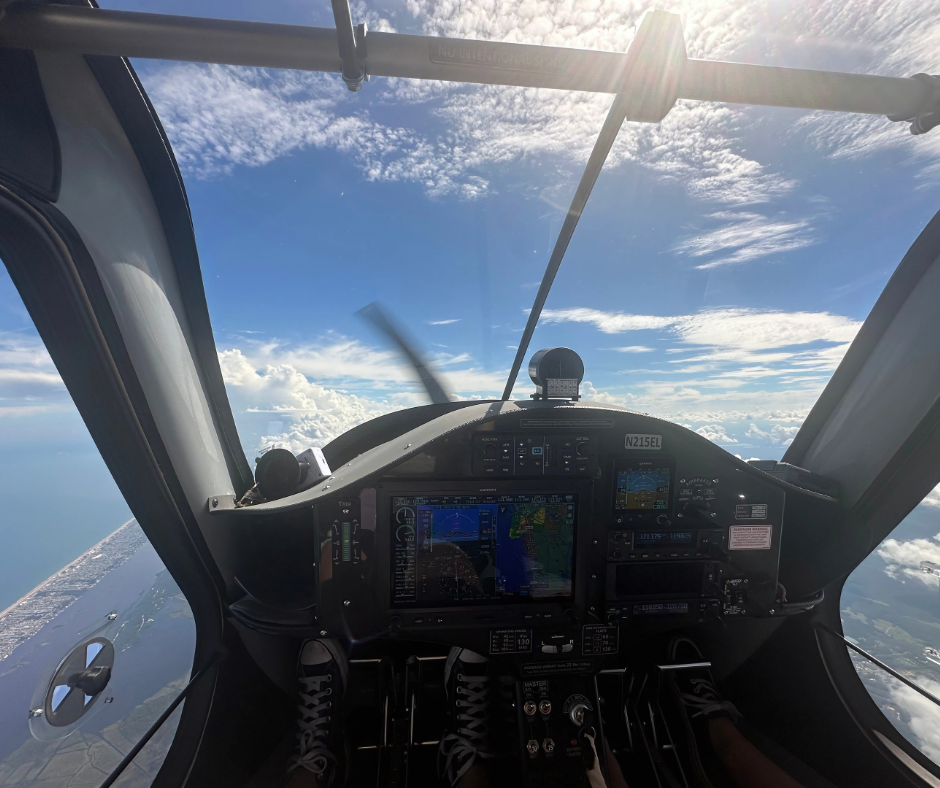
A Discovery Flight is often the cleanest first move because it gives you cockpit context before you start comparing programs, costs, and certificates. At Cirrus Aviation, that first experience includes time in our AL250 simulator before you fly a similar profile in the airplane, so the first lesson feels more familiar once the engine starts.
That matters because a new student is making more than one decision. You are deciding whether flying feels right, whether you can see yourself studying consistently, and whether a recreational or professional path fits your life.
You can begin your first flight lesson without knowing every FAA term. A student pilot certificate becomes part of the process before solo flight; early lessons can start before that point. Early on, the practical questions are simpler:
- Do you want to fly for personal travel, family, or recreation?
- Do you want aviation to become a profession?
- Can you train consistently enough to keep skills fresh?
- Do you need to plan around financing, work, school, relocation, or family responsibilities?
If you are still exploring, start with the experience. If you already know you want a certificate, use the Discovery Flight as the first planning conversation for Private Pilot training.
The First Major Milestone Is Private Pilot
The Private Pilot Certificate is where most airplane students begin turning interest into capability. It is the foundation for personal flying and the usual first step for students who later continue into instrument, commercial, and instructor training.
For planning purposes, our private pilot course is commonly mapped in a 2 to 6 month range. A student who flies several times per week, studies between lessons, and keeps a steady schedule can usually plan differently from a student training around work travel or seasonal availability.
Here is the practical way to think about the first stretch:
| Milestone | What You Are Building | Timeline Planning Notes |
|---|---|---|
| Discovery Flight | First cockpit exposure and an instructor-guided introduction | Useful for deciding whether to start formal training |
| Private Pilot Certificate | Aircraft control, preflight habits, solo milestones, navigation, radio work, and checkride preparation | Commonly planned around 2 to 6 months at Cirrus Aviation, depending on consistency and proficiency |
The certificate is earned by becoming ready for the FAA practical test and the privileges that come with it. That includes ground knowledge, flight proficiency, judgment, and the confidence to act as pilot in command within your privileges and limitations.
This is where consistency starts saving time. Long gaps between lessons often force students to rebuild the same skills. A realistic schedule with recurring flight blocks, study time, and early medical planning usually does more for your timeline than trying to “cram” flying into random openings.
Instrument Training Changes How You Manage the Airplane
After private pilot, many students add an Instrument Rating. This rating attaches to your pilot certificate and changes the way you think in the cockpit.
Instrument training teaches you to control the aircraft by reference to instruments, manage IFR (Instrument Flight Rules) procedures, communicate with air traffic control, plan approaches, and make weather decisions with more precision. For personal pilots, it can make flying more useful and disciplined. For career-track students, it is a major professional building block.
At Cirrus Aviation, instrument training is commonly planned in a 2 to 4 month range. The students who do well usually treat the rating as both flight training and mental training. You are building scan discipline, procedure memory, weather judgment, and workload management.
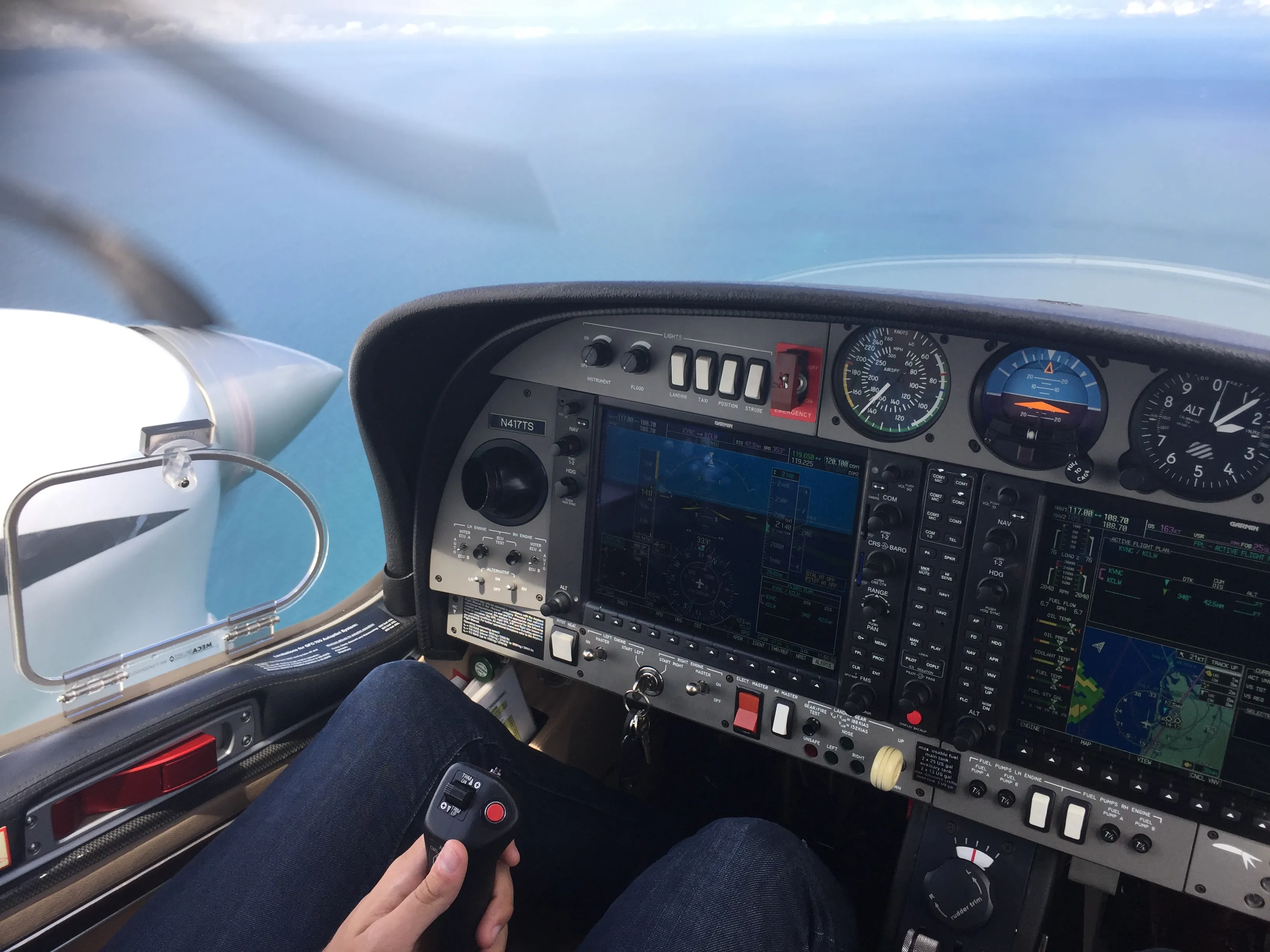
Your timeline depends on how prepared you are when you arrive for each lesson. Simulator work, ground study, and chair-flying can help you learn flows before you are managing them in the airplane. That is why our training philosophy puts real value on preparing before the aircraft lesson, then applying the work in flight.
If you are comparing timelines, treat the Instrument Rating as a core discipline-building stage. Many pilots learn the cockpit habits here that they will need later in commercial and instructor training.
Commercial Pilot Has a Professional Standard and Clear Boundaries
The Commercial Pilot Certificate is the point where the training standard rises. Your focus expands from personal flying into professional-level aircraft control, planning, precision, and decision-making.
It is also a place where students need clear expectations. A Commercial Pilot Certificate allows certain compensated flying operations. Paid flying jobs can also depend on employers, aircraft, operations, ratings, experience, medical qualification, insurance requirements, and company training.
For career-track students, the commercial phase usually sits inside a larger pathway:
| Career-Track Phase | Why It Matters |
|---|---|
| Private Pilot Certificate | Builds the foundation for aircraft control, solo privileges, and pilot-in-command habits |
| Instrument Rating | Adds precision, IFR procedures, weather decision-making, and cockpit workload management |
| Commercial Pilot Certificate | Raises performance standards and opens certain compensated flying privileges |
| Multi-Engine Rating | Adds multi-engine aircraft systems, performance planning, and engine-out decision-making |
| Certified Flight Instructor | Helps many pilots build experience by teaching, subject to hiring needs and qualifications |
Our Career Pilot Program is designed to connect these stages in a structured training path. That structure is relevant because each phase asks for different habits. Private pilot training builds the foundation. Instrument training builds precision. Commercial training raises the performance standard. Instructor training asks whether you can explain, demonstrate, and correct those skills from the right seat.
This is also the stage where financing and schedule planning need to stay visible. Financing options may be available to qualified applicants, and talking through funding before a pause happens can help protect training momentum.
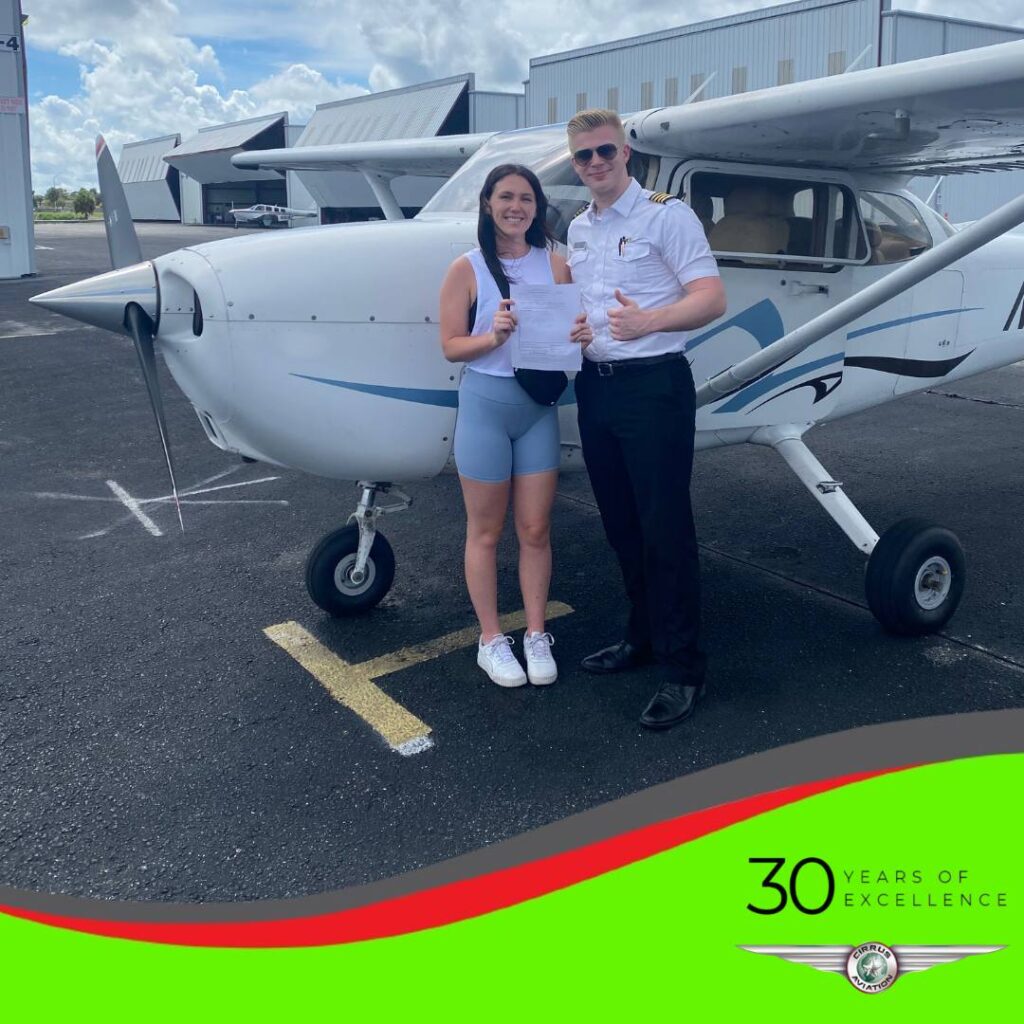
Commercial training is a major professional milestone within a longer aviation path.
CFI Training Turns Your Knowledge Into Teaching Skill
Certified Flight Instructor training is a different kind of challenge. Strong flying skills now have to pair with teaching, briefing, demonstrating, observing, correcting, and keeping a student learning safely.
Career-track pilots pursue CFI credentials because instruction is a common way to keep building experience after commercial training. Instructor employment is a separate hiring decision, so think of CFI as a serious professional step: you are learning to sit in the right seat and help someone else become the pilot in command.
This phase can expose weak spots that were easy to hide earlier. A pilot who can fly a maneuver still needs to explain why it works, where students struggle, and how to correct mistakes. Strong CFI candidates usually bring organized lesson plans, command of the fundamentals, and a willingness to keep improving.
For students in the Career Pilot Program, CFI is part of the broader conversation about hour building, professional standards, and next steps. The right plan should include your current certificates and ratings, medical readiness, schedule, financing, and what kind of flying career you want to pursue.
Habits Shape the Timeline as Much as Hours
FAA minimums matter. The certificate or rating is earned by meeting the standard, and your actual flight training timeline is shaped by how often you train, how well you prepare, and how quickly your proficiency catches up to the standard for each certificate or rating.
These are the timeline drivers we talk through with students early:
- Lesson frequency
Flying multiple times per week can help skills build and stay fresh. - Ground study
Prepared students usually use flight lessons more efficiently. - Weather and aircraft availability
Both can affect the calendar, even with a strong plan. - Instructor continuity
A consistent instructor relationship can reduce repeated explanations and keep feedback focused. - Medical readiness
Resolve medical questions early, especially before major training investment. - Financing continuity
Plan funding early so training can keep moving. - Checkride scheduling
The final stretch depends on readiness and examiner availability.
We offer both Part 61 and Part 141 flight training. Part 141 can add structure through an FAA-approved syllabus, records, and stage checks, while Part 61 can offer more flexibility. Neither path removes the need for proficiency. The right choice depends on your goal, weekly availability, learning style, and how much structure helps you stay consistent.
If you want the fastest realistic path, start by asking what training rhythm you can actually protect.
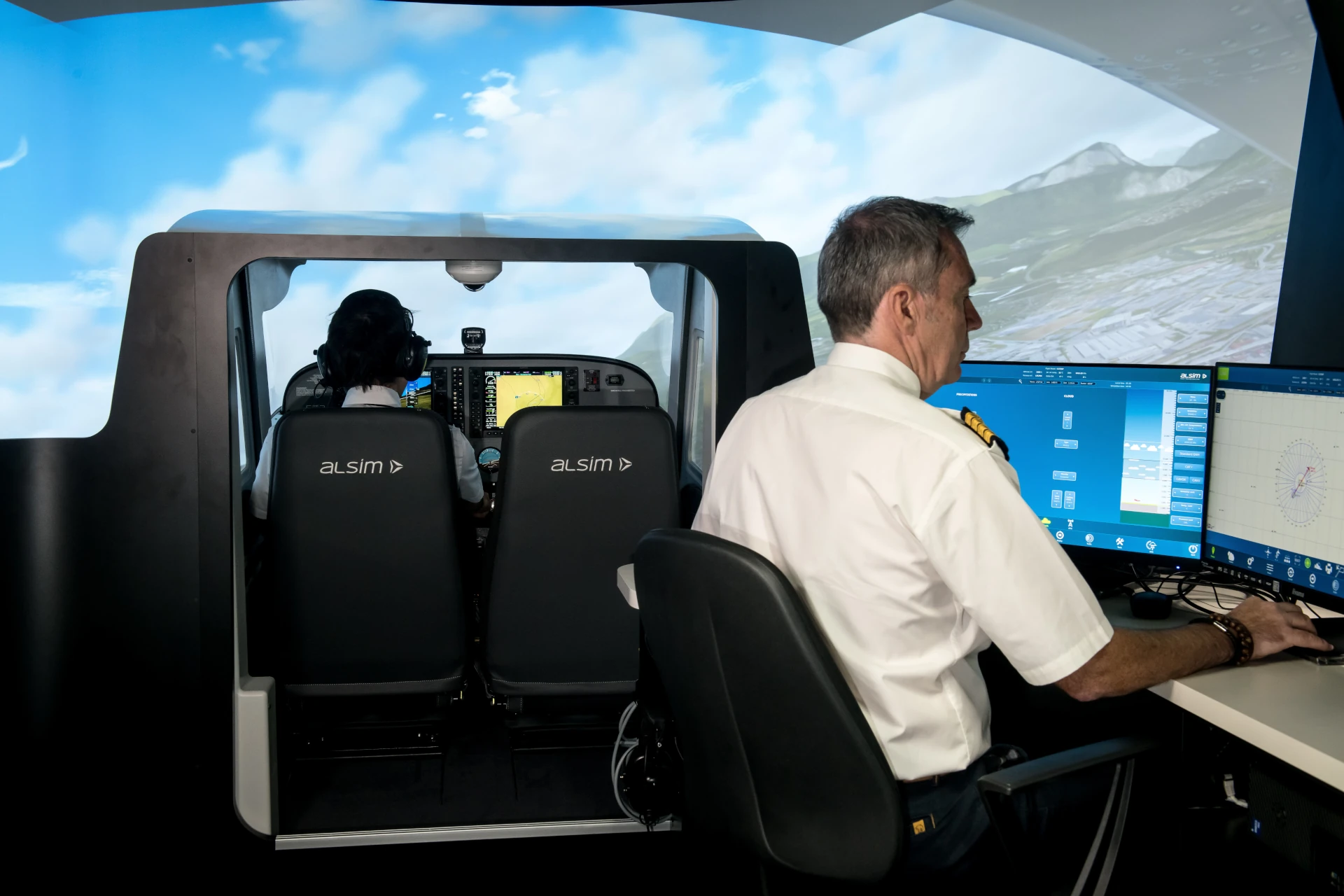
Simulator practice gives students a place to pause, reset, and repeat procedures before applying them in the airplane.
A Practical Timeline Conversation Should Happen Before Enrollment
Before you commit to a training path, sit down with admissions and make the timeline specific to your life. A generic answer can sound clean online and fail the first week weather, work, or funding gets complicated.
Bring real answers to the planning conversation:
- How many days per week can you train?
- Are you training full-time, part-time, or around seasonal travel?
- Are you starting from zero time or with prior flight experience?
- Do you already have a medical certificate?
- Are you planning for recreation or a professional pilot path?
- Will you need financing, veteran benefit guidance, university-path planning, relocation support, or international student support?
From there, we can help you compare the right next step: a Discovery Flight, Private Pilot training, Instrument Rating, Multi-Engine Rating, or the full Career Pilot Program.
A strong timeline is one you can actually fly, fund, study for, and finish with the proficiency each stage requires.
Flight Training Timeline FAQs
How long does it take to go from Discovery Flight to Private Pilot?
At Cirrus Aviation, Private Pilot training is commonly planned in a 2 to 6 month range after a student commits to training. Your pace depends on lesson frequency, weather, preparation, aircraft and instructor availability, and proficiency.
Do I need a student pilot certificate before a Discovery Flight?
No. You can take a Discovery Flight or begin lessons before holding a student pilot certificate. The required certificate, endorsements, and medical eligibility come before solo flight.
Is the Instrument Rating required before Commercial Pilot training?
The exact training path depends on your certificate, category, class, and program structure, but many career-track airplane students add the Instrument Rating before or along the way to commercial training because it builds precision and IFR cockpit discipline.
Does the Commercial Pilot Certificate mean I can get an airline job?
No. A Commercial Pilot Certificate is a major professional milestone, but airline eligibility and hiring involve additional experience, ratings, medical qualification, regulatory requirements, and employer standards. Treat commercial training as one step in the larger career pilot pathway.
Why do many pilots become flight instructors?
Many pilots pursue CFI credentials because teaching is a common way to keep building experience after commercial training. It also strengthens communication, judgment, and mastery of fundamentals. Instructor employment depends on qualifications, school needs, and hiring decisions.
Can financing affect my flight training timeline?
Yes. A funding pause can interrupt momentum just like weather or scheduling can. Financing options may be available to qualified applicants, so it is smart to discuss payment timing and current program estimates before you begin.
Build the Plan Before You Chase the Calendar
Your timeline should fit your goal, your schedule, and the standard you need to meet at each stage. A Discovery Flight helps you confirm the first step. Private Pilot training builds the foundation. Instrument and Commercial training raise the discipline. CFI training asks whether you can teach what you know.
If you are ready to map your own path, contact Cirrus Aviation. We will help you compare Discovery Flight, Private Pilot, Instrument, Commercial, CFI, full-time, part-time, and financing options so your next step starts with clear expectations.