Highlights Jul 7, 2026 • Nayda Cattin
If you are planning international flight training in Sarasota, the most important step happens before you book a flight. You need a clear order for school communication, government-related steps, housing, transportation, budget, medical planning, and your first day of training.
At Cirrus Aviation, we train international students at Sarasota-Bradenton International Airport and help applicants understand the school-side process before they travel. Visa, TSA, medical, financing, and start-date details can depend on your situation and current rules, so the practical plan is to begin with a conversation before you make major travel commitments.
Hopefully after reading this post you’ll arrive in Sarasota with fewer surprises and a training plan that matches the certificate, rating, or career path you actually want.
Start With the Training Goal Before the Airline Ticket
Before you compare apartments or choose travel dates, decide what you are coming to accomplish. A student visiting for a first certificate has different planning needs than a pilot adding an instrument rating, building toward a career path, or continuing advanced training after experience in another country.
That first decision affects program fit, documentation, schedule, budget, and the way we help you prepare. It can also affect whether a structured pathway, such as our Career Pilot Program, makes more sense than a single-course plan.
Use this early stage to answer practical questions:
- What certificate or rating are you pursuing first?
- Are you training for personal flying, professional aviation, or both?
- How long can you stay in Sarasota?
- How often can you train each week?
- What documents, approvals, and funding questions need to be handled before travel?
If you are still comparing paths, our flight training programs can help you see how Private Pilot, Instrument Rating, Multi-Engine, and career-track training connect.
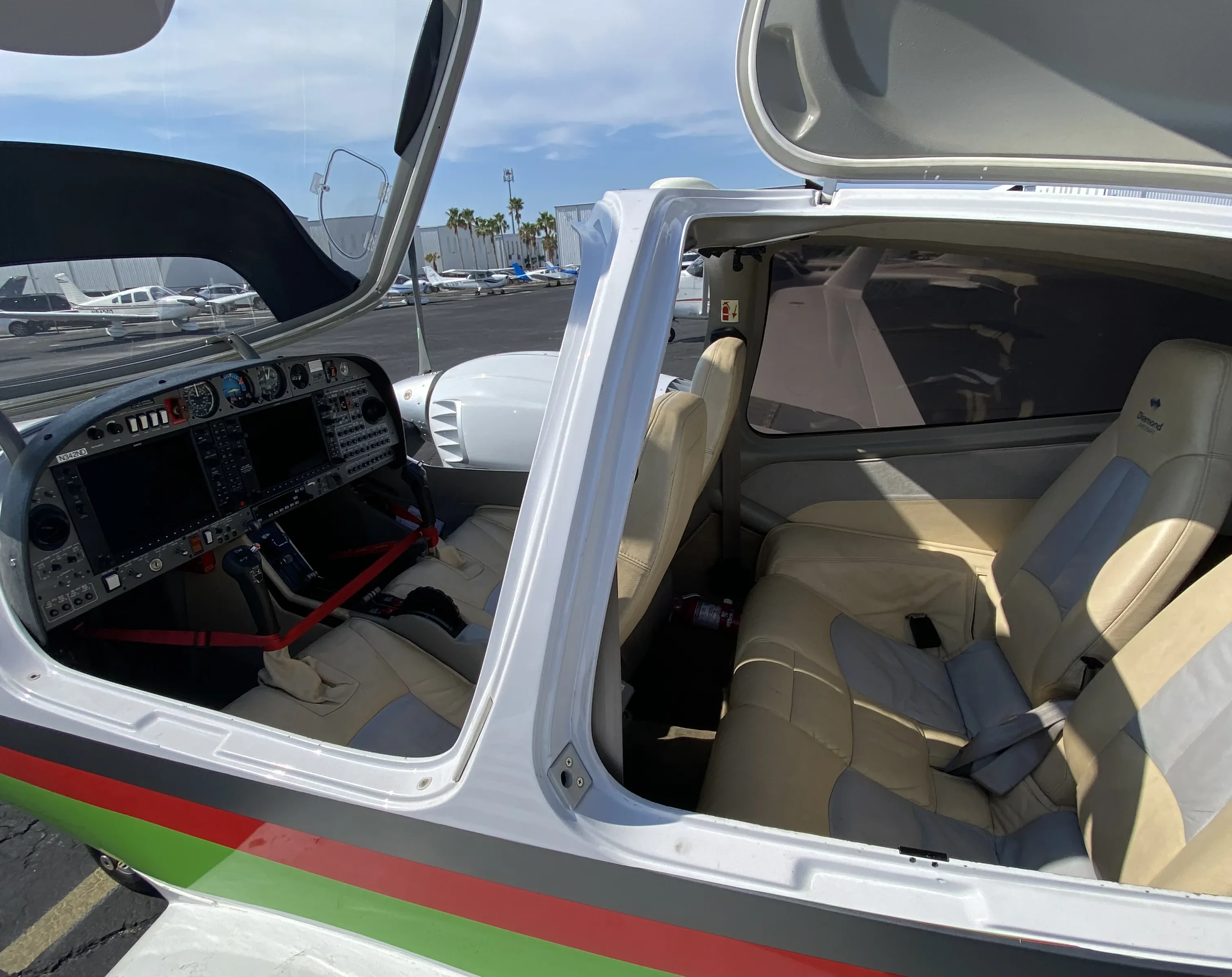
Planning starts before the cockpit. Your training goal shapes the documents, schedule, and support you need before arrival.
Contact Admissions Before You Begin the Visa and TSA Sequence
International flight training in the United States involves more than choosing a flight school. You may need school documentation, the appropriate student visa path, TSA approval, and other steps before training begins. Those details are too important to treat as a last-minute checklist.
Our international student training information page gives you a starting point. Your first move should be to contact our team so we can discuss your training goal, timing, and school-side admissions steps.
In that conversation, we can help you think through:
- The training program you are interested in
- School-side application and admissions items
- Timing before a requested start date
- How TSA approval fits into your training plan
- What to prepare before scheduling travel
- Whether your questions belong with the school, an official government process, or another qualified professional
Confirm the aviation paperwork sequence before you buy a ticket. A smoother arrival usually comes from understanding the order of events before you commit to travel dates.
Build Your Budget Around the Whole Stay
International students sometimes focus first on aircraft hours or tuition-style training costs. A realistic training budget also includes ground instruction, simulator time when used, supplies, tests, practical-test costs, housing, food, transportation, insurance needs, and living expenses.
Flight training costs vary because training is based on proficiency and calendar time together. Weather, aircraft availability, instructor availability, study habits, checkride timing, and how often you fly can all affect the final plan.
Use this planning table before you travel:
| Planning area | What to clarify before arrival | Helpful resource |
|---|---|---|
| Training path | Which certificate, rating, or program fits your goal | Flight Training Programs |
| Professional route | Whether a structured career pathway fits your timeline | Career Pilot Program |
| Housing | Where you may stay and how close it is to training | Accommodations |
| Funding | Which current funding options may apply to your situation | Pilot Financing |
| First contact | What to submit before travel planning becomes firm | Contact Cirrus Aviation |
Financing and education funding can be student and program specific. If funding is part of your plan, talk with admissions early through our pilot financing resources so you understand current options before you build a travel budget around them.
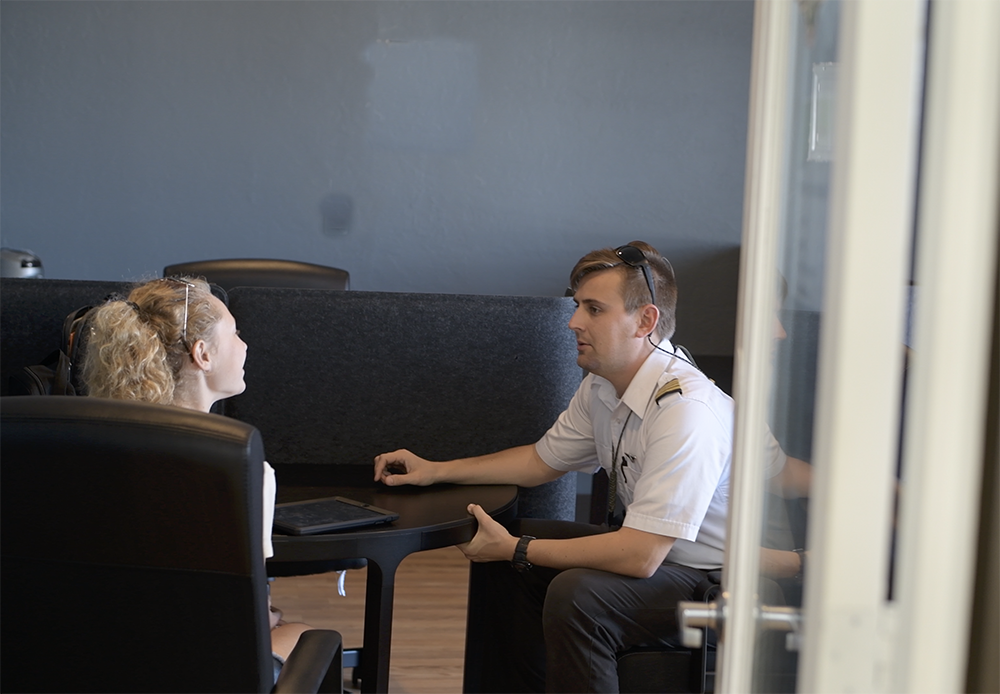
A useful budget conversation includes training, supplies, testing, housing, transportation, and living expenses before travel dates are locked in.
Plan Housing and Transportation Like Part of Training
Housing belongs inside the training plan. If you are too far from the airport, relying on uncertain transportation, or moving between short stays, your schedule can become harder before the airplane ever leaves the ramp.
We have some accommodation recommendations near Sarasota-Bradenton International Airport, including options commonly used by students and visiting pilots. We can help you understand local options and what to think about before you reserve a place, while housing reservations remain the student’s responsibility.
As you compare housing, pay attention to:
- Distance from the airport
- Transportation to and from training
- Study space and internet access
- Lease length or hotel-stay flexibility
- Food, laundry, and daily living needs
- Arrival timing if you land after normal business hours
Transportation deserves the same attention. Daily travel should be planned before lessons begin. Depending on your stay length and personal situation, you may need to compare rental vehicles, rideshare use, hotel proximity, or other local arrangements before you arrive.
A strong housing choice protects your training rhythm. A beautiful apartment is less useful if it makes every lesson hard to reach.
Prepare for English, Medical, and Study Habits Early
Flight training in the United States is conducted in English, and FAA training and testing require English ability. Aim for practical aviation English: reading, speaking, writing, and understanding well enough for instruction, cockpit communication, documentation, and testing.
Medical planning should also happen early. Introductory lessons with an instructor can happen before a medical certificate, but students should address medical certification before investing heavily in training because a medical is needed before solo unless another FAA-recognized qualification applies. For personal medical eligibility questions, work with an Aviation Medical Examiner or the applicable FAA process.
Your study habits matter alongside paperwork. Arriving in Sarasota ready to train means you have already started thinking about:
- Aviation English and radio phraseology
- Basic aircraft and airport vocabulary
- Daily study time during training
- How you will review lessons after flying
- How often you can train without burning out
If you are new to the U.S. training system, our new-to-flying page can help you understand the first steps without getting lost in aviation jargon.
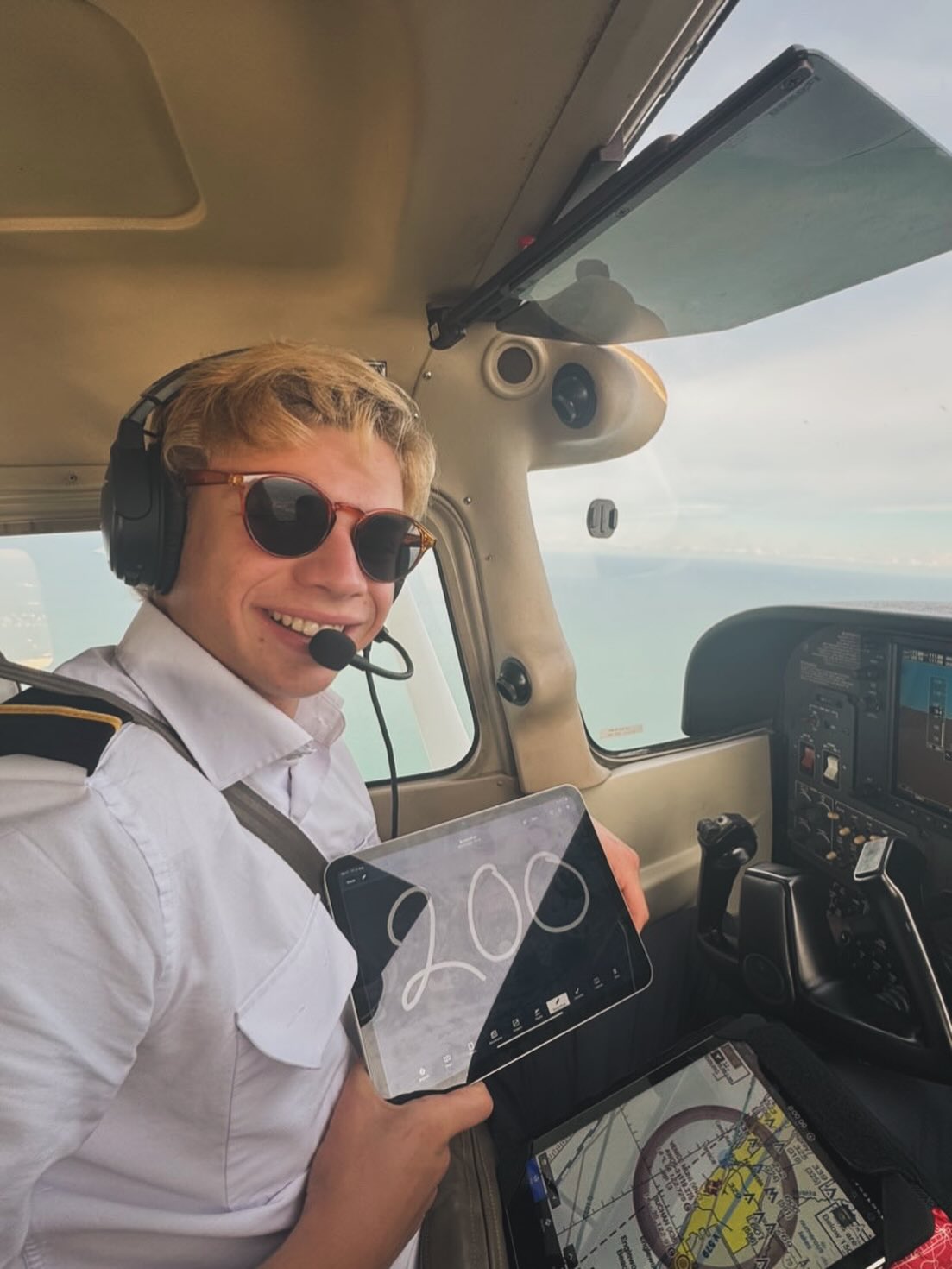
Strong preparation helps you use each lesson for learning and keeps avoidable basics from consuming training time.
Know What Sarasota Adds to the Training Experience
Training at Sarasota-Bradenton International Airport gives students a real airport environment with towered-airport operations, radio communication, local procedures, and nearby training opportunities along Florida’s Gulf Coast.
That environment can help you build professional habits while planning remains essential. Weather, maintenance, aircraft availability, instructor schedules, and readiness still shape the training calendar. A strong location supports training while each student’s completion date depends on the full training picture.
What Sarasota can give you is a focused place to live and train. You can settle into a training routine, work with your instructor, study between lessons, and use school support while you build toward your next milestone.
If your goal is to train from the first certificate into advanced ratings, treat the local environment as one piece of the decision. You should also compare instructor continuity, program structure, aircraft and simulator resources, and how the school helps you plan the full stay.
Give Yourself a Pre-Arrival Checklist That Matches Real Life
A good pre-arrival checklist should reflect your training goal, citizenship and residency status, timeline, budget, and living plan.
Use this as a planning framework:
-
Contact admissions first
Start with your goal, timeline, current experience, and questions through our contact form. -
Clarify the training path
Discuss whether Private Pilot, Instrument Rating, Multi-Engine Rating, or a career-track plan fits your first stage. -
Organize school-side documentation
Work through the admissions items connected to your program and international-student status. -
Plan government-related steps early
Give yourself time for the applicable visa and TSA process before training begins. -
Address medical questions before major spending
If you have eligibility questions, consult an AME (Aviation Medical Examiner) or the applicable FAA medical process before you commit heavily. -
Build the full budget
Include training, testing, supplies, housing, transportation, food, and local living costs. Review pilot financing options if funding may be part of your plan. -
Reserve housing and transportation around training
Use accommodation recommendations as a starting point and choose logistics that support consistent attendance. -
Confirm arrival and start-date details
Make arrival day part of a confirmed training start plan.
This order keeps the important decisions visible. It also gives our team a better chance to help you arrive ready to focus on training with preventable logistics already handled.
International Flight Training FAQs
Should I contact Cirrus Aviation before applying for a visa?
Yes. Contact our team early so we can discuss your training goal, timing, and school-side admissions steps before you make travel decisions. Visa questions should also be verified through the applicable official process.
Can Cirrus Aviation arrange housing for international students?
We provide accommodation recommendations and local guidance. Housing reservations, transportation, and daily living plans should be handled before you travel.
Do I need perfect English to train in Sarasota?
You need functional aviation English. Instruction, documentation, radio communication, and FAA testing use English, so reading, speaking, writing, and understanding English are part of the training-readiness conversation.
Should I complete medical planning before travel?
While it is not strictly required to have a medical certificate before you start training, students should address medical certification early, especially before investing heavily in training. If you have medical eligibility questions, consult an Aviation Medical Examiner or the applicable FAA process.
Can international students use financing?
Funding options depend on the program, student situation, lender terms, and current availability. Review our pilot financing information and contact admissions before making financing assumptions.
Is Sarasota a good place for international flight training?
Sarasota gives students a strong training setting at KSRQ, access to Florida Gulf Coast flying, and support resources for international applicants. The right fit still depends on your goals, timing, approvals, budget, housing, and training plan.
Arrive With a Plan You Can Actually Fly
International flight training is a serious commitment. The flying is exciting, and the preparation helps you arrive ready to learn.
Before you buy the ticket, give yourself a clear path: training goal, admissions conversation, school-side documentation, government-related steps, medical planning, budget, housing, transportation, and start date.
That order keeps the process calmer and more useful. It also gives us the information we need to help you plan training around your real goals and arrival date together.
Contact us to talk through international flight training in Sarasota before you travel.