Highlights Jun 10, 2026 • Nayda Cattin
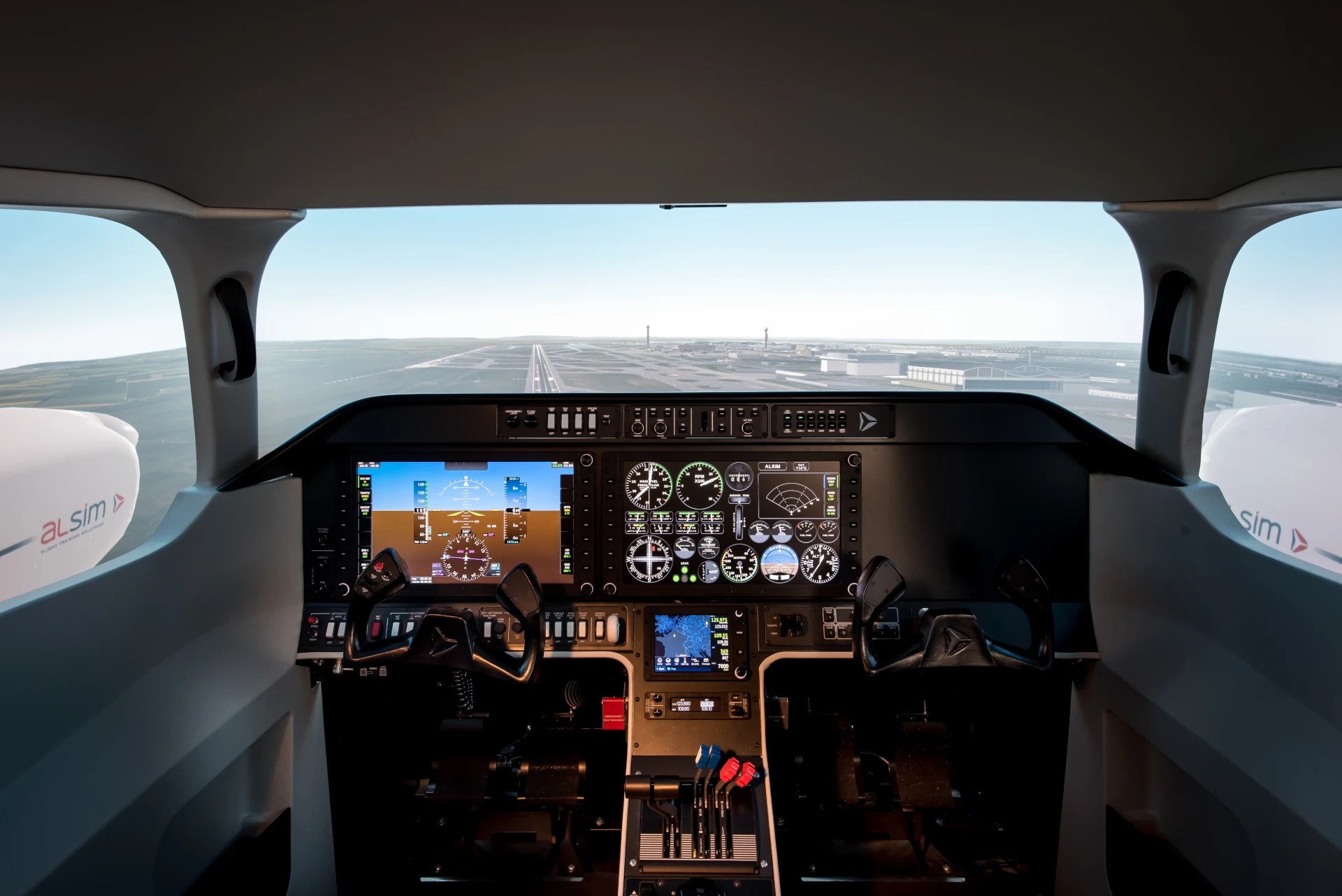
The first surprise of a Discovery Flight at Cirrus Aviation is that you do not begin by walking straight to an airplane. You begin in our full-size AL250 flight simulator, where an instructor can introduce the controls, explain what will happen, and let you practice a flight profile before the engine noise, motion, radio traffic, and outside view compete for your attention.
Then you move to the aircraft and apply a familiar version of what you just practiced.
That two-part experience is designed for people who are curious about flying but may not know what to expect. You do not need aviation knowledge, polished radio skills, or hours of preparation. You only need to arrive ready to listen, ask questions, and experience the cockpit one step at a time.
Your First Flight Begins Before You Leave the Ground
When you arrive for your Discovery Flight in Sarasota, your instructor starts by learning a little about you. Maybe flying has been on your mind for years. Maybe you are exploring a professional path. Maybe someone gave you the experience as a gift, and you are still deciding how you feel about climbing into a small airplane.
There is no correct level of confidence to bring with you. Questions are expected, and no previous flying experience is required.
Your instructor will introduce the experience, set expectations, and give you a clearer picture of how the simulator session connects to the aircraft portion. If aviation terminology feels unfamiliar, that is normal. The purpose of this first experience is not to test what you already know. It is to show you how instruction works and what flying feels like with guidance beside you.
If you want a broader look at the path from first flight to pilot training, visit our guide for people who are new to flying.
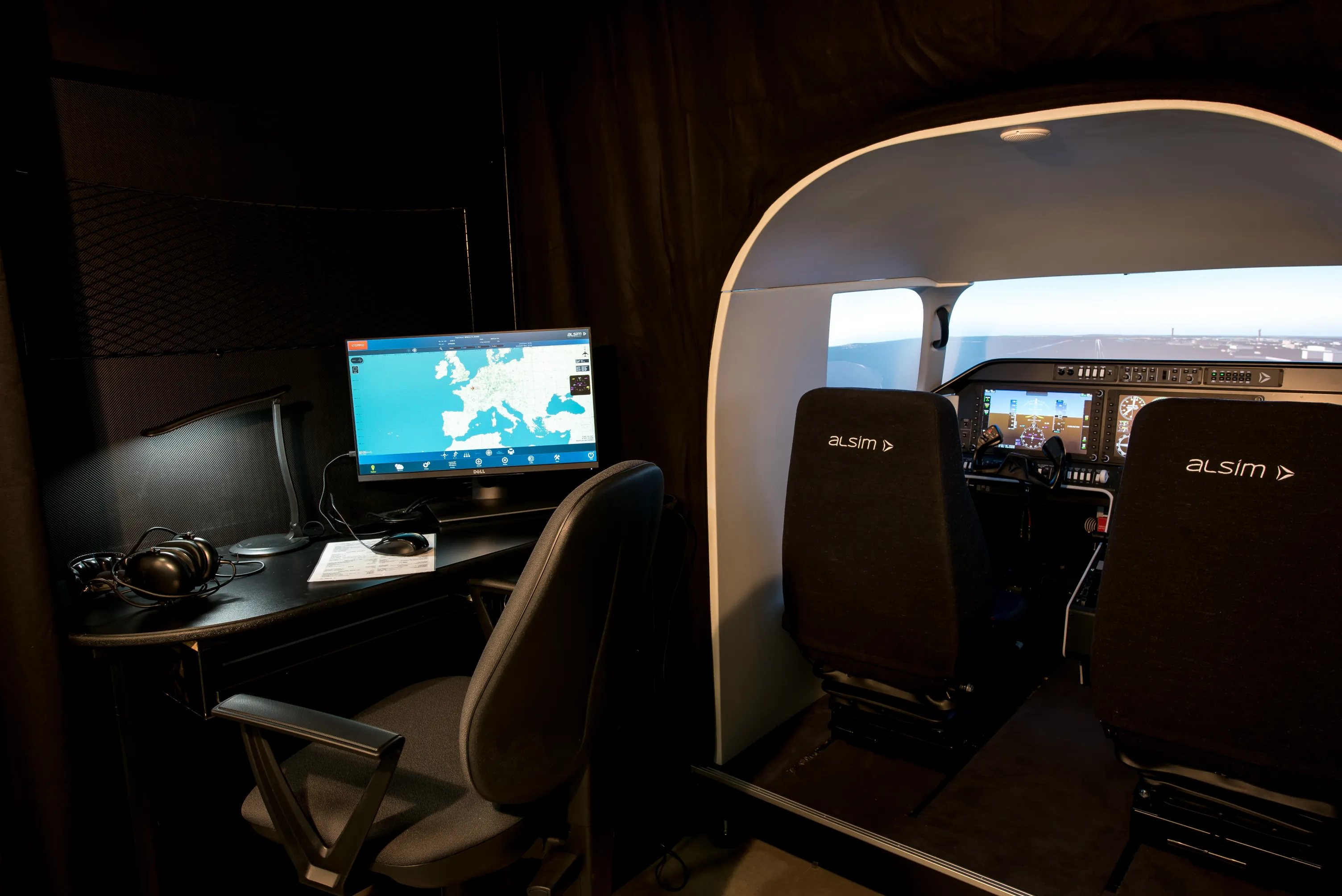
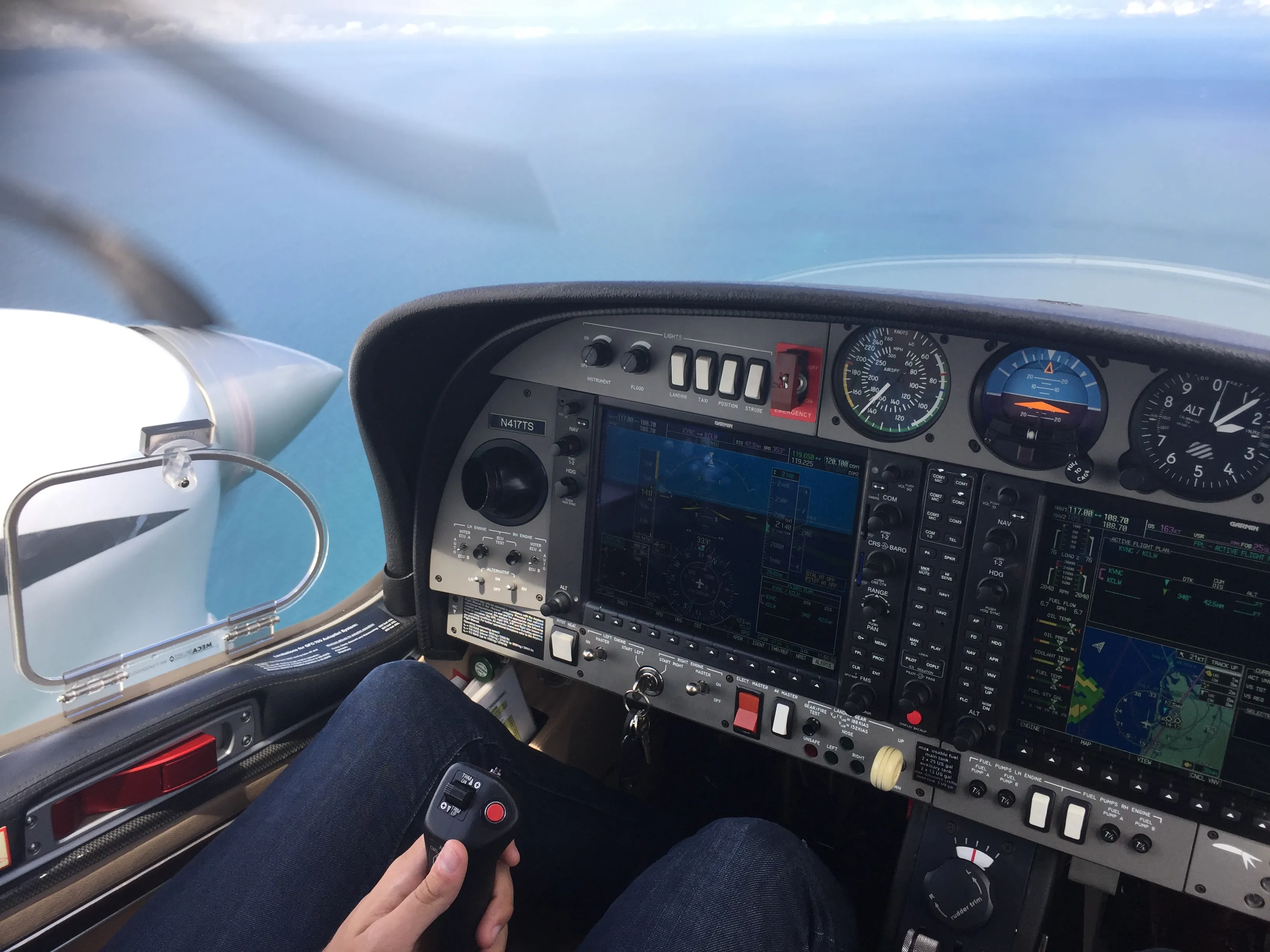
The simulator gives your instructor a place to explain the cockpit before the aircraft adds motion, sound, and outside traffic.
The Simulator Turns the Unknown Into Something Familiar
For many first-time flyers, the cockpit initially looks like a wall of switches, screens, gauges, and controls. The simulator gives you time to sort that picture into a few useful ideas.
With your instructor beside you, you can become familiar with:
- Where to look when the instructor points out a control or instrument
- How small control movements affect the aircraft
- What basic instructions sound like
- How the beginning, middle, and end of a flight connect
- Which questions you want to ask before getting into the airplane
The advantage is not that the simulator makes you a pilot in one session. It gives you a reference point. When your instructor mentions pitch, bank, a runway, or a checklist later, those words are no longer completely abstract.
It is also an environment where the lesson can pause. Your instructor can explain a control, reset the situation, and let you try again without the aircraft continuing to move through real airspace. At Cirrus Aviation, that approach reflects our broader “Say It, Sim It, Fly It” philosophy: explain the idea, practice it in simulation, and then apply it in the airplane.
You can learn more about how simulation supports training in our flight simulator lab.
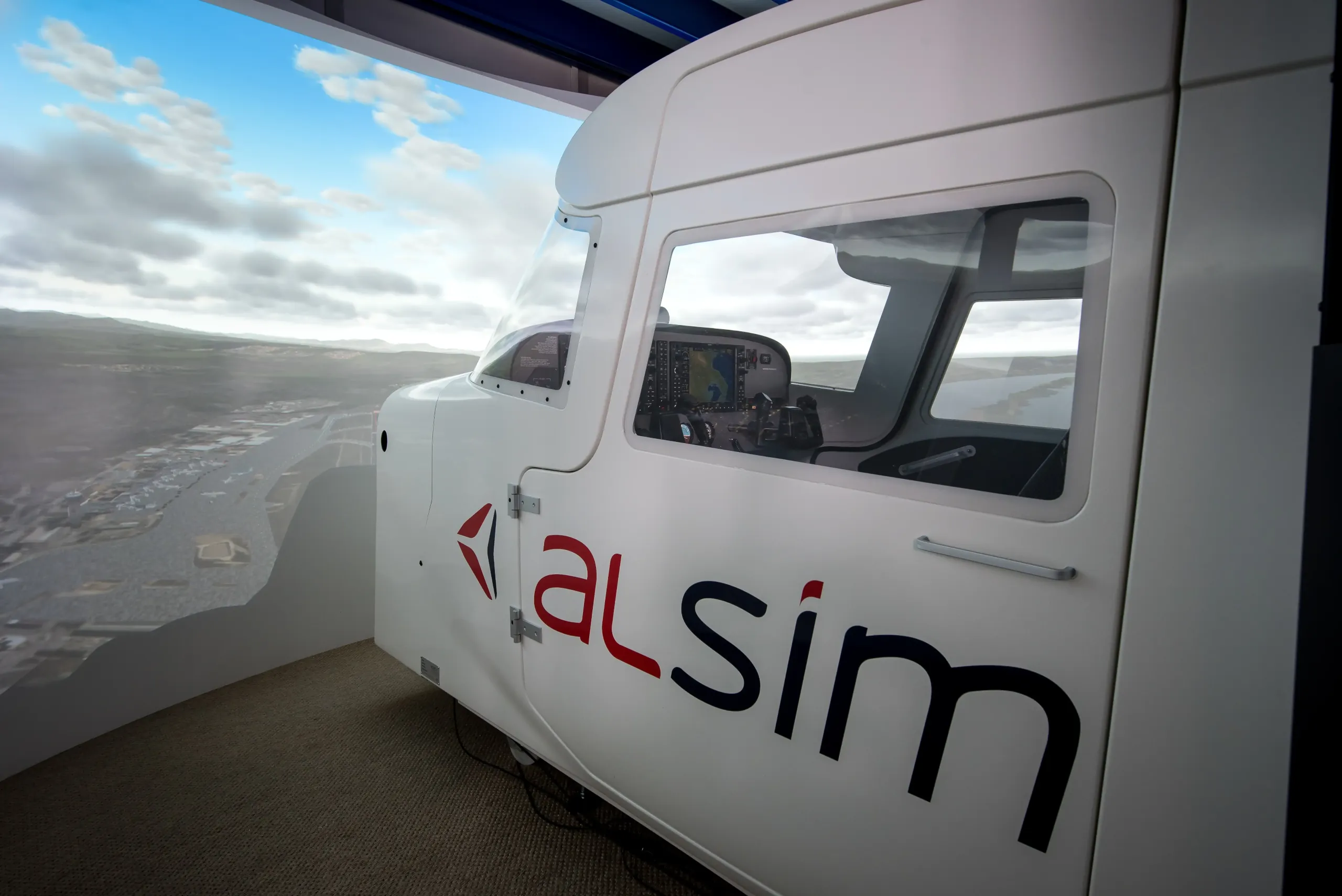
Simulation creates room to introduce controls and procedures at a pace that makes sense before moving to the aircraft.
Moving From the Simulator to the Aircraft
After practicing in the simulator, you head toward the aircraft with more context than you had when you arrived. The controls are no longer entirely unfamiliar, and the instructor’s directions have a framework behind them.
Before flight, expect an instructor-led introduction to the aircraft and the cockpit. You may see a preflight inspection, hear checklists being used, and learn why pilots complete tasks in a deliberate sequence. This is where flying begins to feel less like a mysterious event and more like a process built around preparation.
The aircraft will naturally feel different from the simulator. You will notice vibration, engine sound, airflow, radio calls, changing light, and movement through three-dimensional space. The simulator does not remove those sensations; it helps you meet them with a basic mental map already in place.
When conditions and your instructor allow, you may take an active role at the controls. Your instructor will guide the lesson and determine what is appropriate throughout the flight. The goal is not to perform perfectly. It is to experience how the aircraft responds and understand what learning to fly could feel like.
For readers already considering training, our Private Pilot Certificate program explains how this first experience can develop into structured one-on-one instruction.
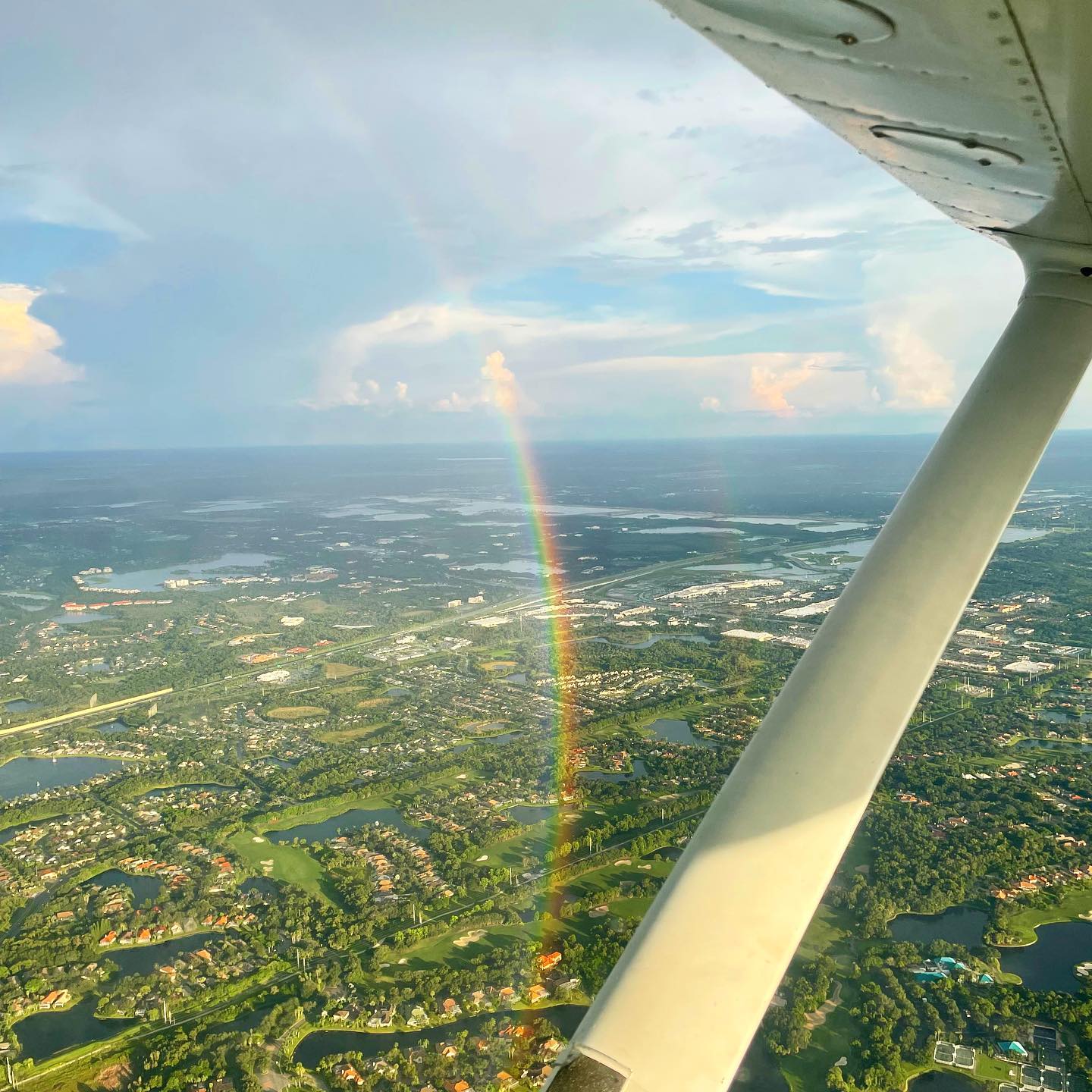
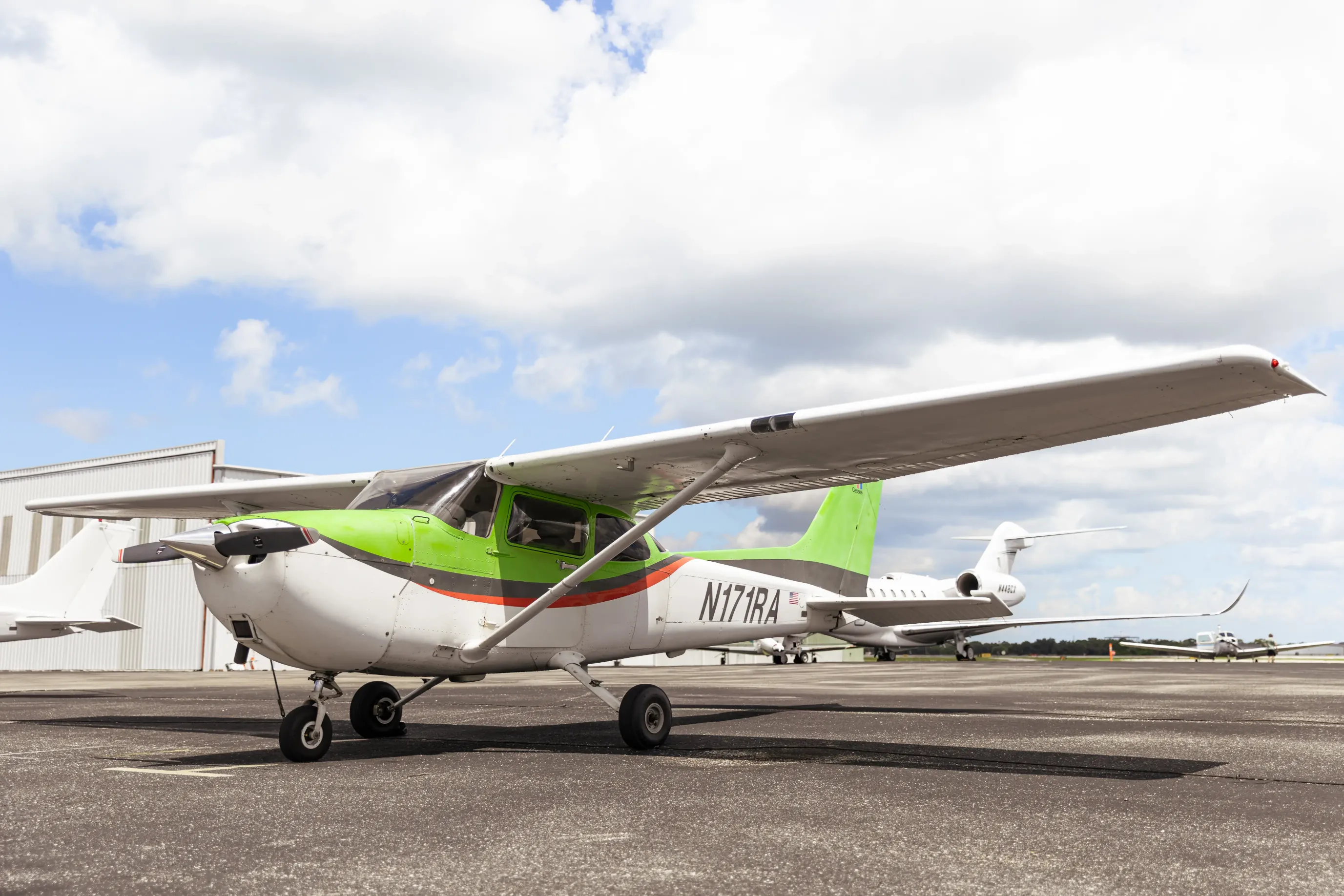
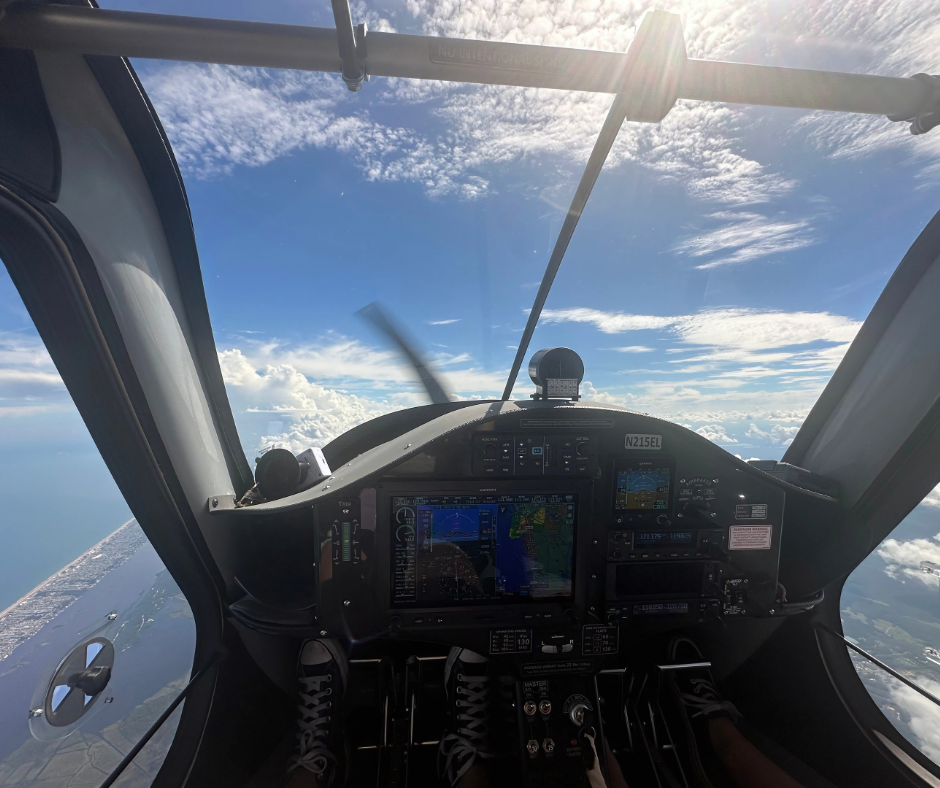
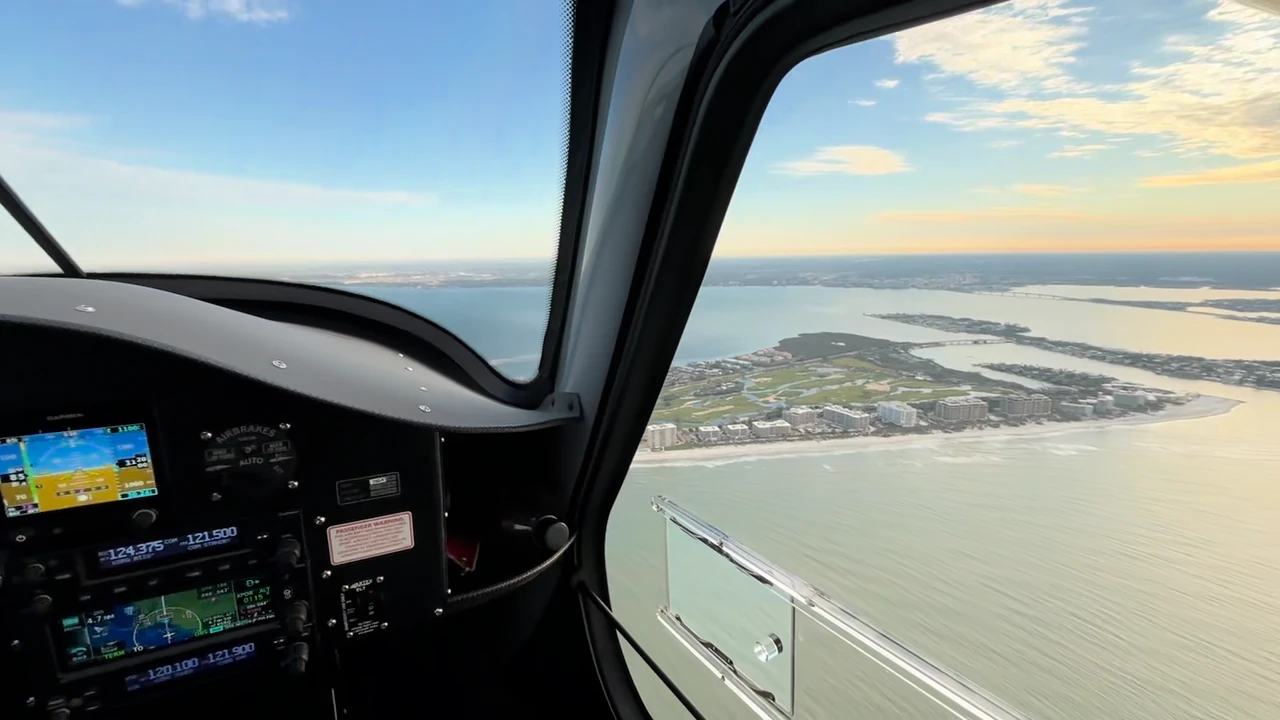
In the aircraft, the visual picture, motion, sound, and instructor guidance come together in a real flying environment.
What Your First Flight May Feel Like
People often focus on what they will see, but a first flight is also a collection of new sensations. The headset changes how voices sound. The engine and airflow create a steady background. Turns can feel more noticeable when you are looking outside than they did on a screen.
Some people feel excited immediately. Others need a few minutes to settle into the cockpit. Both reactions are normal. Tell your instructor how you are feeling and ask questions as they come up. Clear communication helps the instructor shape the experience around you.
Weather and airport conditions also influence every flight. The exact profile, views, and level of participation can vary with operational conditions and instructor direction. That variability is part of real aviation, and your instructor will keep the experience focused on what makes sense that day.
Training at Sarasota-Bradenton International Airport also lets you see how pilots communicate and operate in an active airport environment. You are not expected to understand every radio call. On a first flight, listening is already a useful introduction.
What to Wear and Bring
Preparing for a Discovery Flight should be simple. Comfort matters more than looking like a pilot.
- Wear comfortable clothing that lets you move easily.
- Choose secure, closed-toe shoes.
- Bring sunglasses if you use them outdoors.
- Avoid carrying loose or bulky items into the cockpit.
- Eat normally and stay hydrated rather than arriving on an empty stomach.
- Tell the team about any comfort, mobility, or motion-sensitivity concerns before the flight.
- Arrive with a few questions about the experience or the training path you are considering.
Booking details are available through our Discovery Flight form. Because weather and operating conditions can affect flying, keep your contact information handy and watch for any communication from our team before your appointment.
A Discovery Flight Can Answer a Bigger Question
A Discovery Flight is enjoyable on its own, but it can also help you answer something more practical: Can you imagine yourself learning to do this?
Pay attention to more than the view. Notice how the instructor explains unfamiliar ideas. Notice whether practicing in the simulator helps you understand the aircraft. Notice what questions you want answered after you land.
If you decide to continue, the next conversation can cover your goals, schedule, training pace, and the difference between recreational and professional pathways. Flight training is a meaningful commitment, so it is also worth discussing the complete financial picture early. Our pilot financing page outlines funding resources that may apply to qualified students and programs.
If you are not ready to choose a program, that is fine. The value of a first flight is clarity. You leave knowing more about the cockpit, the instruction process, and your own response to being in the air.
Start in the Simulator, Then Take It to the Sky
At Cirrus Aviation, your first Discovery Flight is not built around handing you a headset and rushing toward takeoff. We start by helping the cockpit make sense.
You learn the basic picture in our full-size simulator. You practice with an instructor beside you. Then you move into the aircraft with something familiar to build on.
That is what makes our Discovery Flight more than a first look at Sarasota from above. It is a first look at how you could learn to fly.
Ready to experience it for yourself?
Book your Discovery Flight at Cirrus Aviation and take your first step from the simulator to the aircraft.